Kaan will be a testing bed for many 6th-gen capabilities, but KAAN won't be a 6th-gen system ever.
These are cross-sections of the B-2 Spirit and the F-35A from the front and side
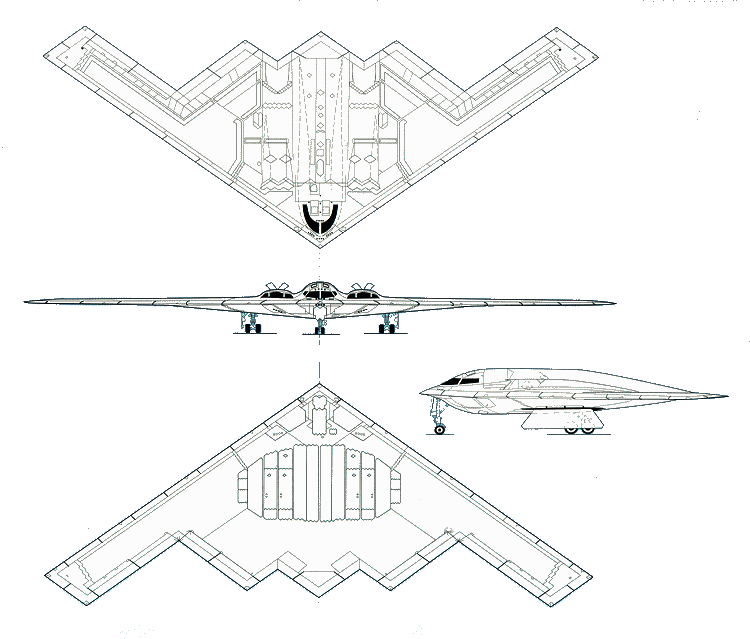
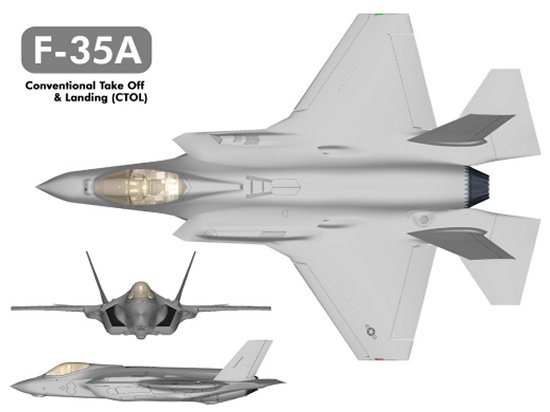
There is a reason why real 6th-gen aircraft are without a tail. 6th-gen aircraft require better 360-degree stealth in a wider frequency range (not just the frequency range of the fire control radars) compared to 5th-gen, and this can only be achieved by removing the tail unless someone comes up with a technology that achieves required level of stealth with tails (there is none as of today). With tails, it is especially bad from the sides. Canards also add RCS, but not as much as tails. RCS of canards can also be controlled in real time with software. Eurofighter has that ability. That is why the US F-47 got rid of tails to increase stealth, but trade-off is canards to have that extra agility/maneuverability required from a fighter. China did this with wingtip control surfaces
Advances in aviation enabled tailless designs to have agility/maneuverability that comes close to fighters with tails, even at supersonic speeds. That was not the case in the past. B-2 is basically a subsonic bomber with a limited flight envelope. Tempest won't be a real 6th gen unless it gets rid of its tail.
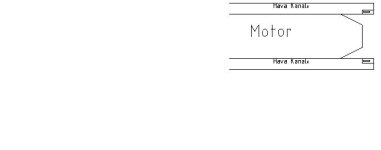
6th gen also requires next-generation adaptive cycle/variable cycle engines. Those bring increased fuel efficiency and thrust. The American engine basically starts as a turbofan and operates as a turbojet at higher speeds and altitudes. China goes further; the engine that China is developing starts as a turbofan, functions like a turbojet at higher speeds, and operates like a ramjet at even higher speeds and altitudes, which covers 0 to Mach 3+ range. American ACE can probably be applied to existing 5th gen with air inlet modification/redesign (one of the reasons why they are hesitating to install it on F-35) but i doubt the Chinese version can be used on any existing aircraft. Enginewise other projects have nothing that comes close to those 2. Not even a drawing, let alone a prototype.
Any capability other than these 2 can also be deployed on 5th gen aircraft. You can install stronger radars, better EO sensors, high-bandwidth datalinks, and advanced MUM-T functions. You can increase power production, especially if you have a big twin-engine 5th-gen fighter like KAAN. It will be more difficult with F-35, but possible. Fighters like KAAN and Tempest can't be 6th generation in the future. We can call them 6th gen, but unless they match the capabilities of the American and Chinese fighters, this will remain a marketing gimmick.
These are cross-sections of the B-2 Spirit and the F-35A from the front and side
There is a reason why real 6th-gen aircraft are without a tail. 6th-gen aircraft require better 360-degree stealth in a wider frequency range (not just the frequency range of the fire control radars) compared to 5th-gen, and this can only be achieved by removing the tail unless someone comes up with a technology that achieves required level of stealth with tails (there is none as of today). With tails, it is especially bad from the sides. Canards also add RCS, but not as much as tails. RCS of canards can also be controlled in real time with software. Eurofighter has that ability. That is why the US F-47 got rid of tails to increase stealth, but trade-off is canards to have that extra agility/maneuverability required from a fighter. China did this with wingtip control surfaces
Advances in aviation enabled tailless designs to have agility/maneuverability that comes close to fighters with tails, even at supersonic speeds. That was not the case in the past. B-2 is basically a subsonic bomber with a limited flight envelope. Tempest won't be a real 6th gen unless it gets rid of its tail.
6th gen also requires next-generation adaptive cycle/variable cycle engines. Those bring increased fuel efficiency and thrust. The American engine basically starts as a turbofan and operates as a turbojet at higher speeds and altitudes. China goes further; the engine that China is developing starts as a turbofan, functions like a turbojet at higher speeds, and operates like a ramjet at even higher speeds and altitudes, which covers 0 to Mach 3+ range. American ACE can probably be applied to existing 5th gen with air inlet modification/redesign (one of the reasons why they are hesitating to install it on F-35) but i doubt the Chinese version can be used on any existing aircraft. Enginewise other projects have nothing that comes close to those 2. Not even a drawing, let alone a prototype.
Any capability other than these 2 can also be deployed on 5th gen aircraft. You can install stronger radars, better EO sensors, high-bandwidth datalinks, and advanced MUM-T functions. You can increase power production, especially if you have a big twin-engine 5th-gen fighter like KAAN. It will be more difficult with F-35, but possible. Fighters like KAAN and Tempest can't be 6th generation in the future. We can call them 6th gen, but unless they match the capabilities of the American and Chinese fighters, this will remain a marketing gimmick.