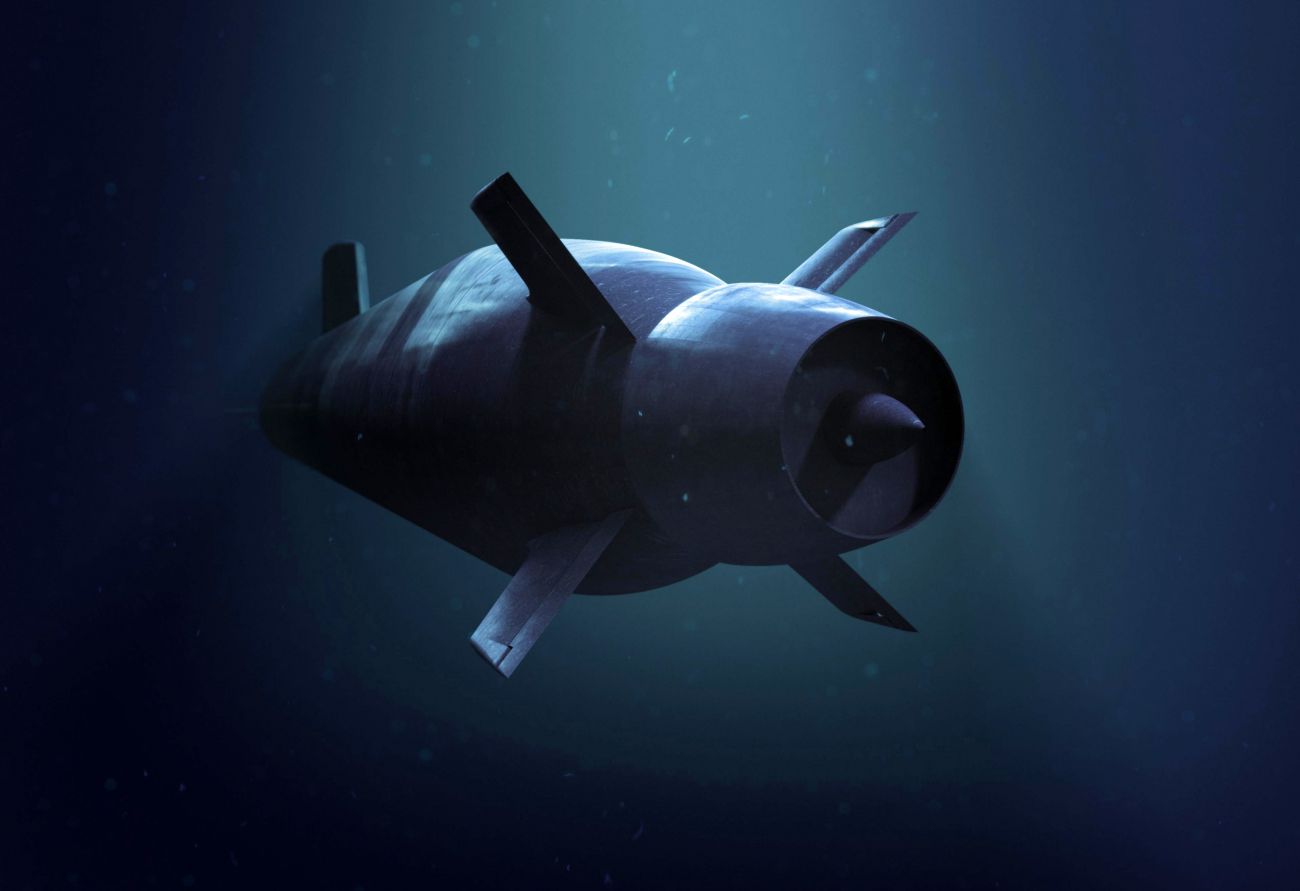
Australia and Naval Group ink agreement on Attack-class submarine program

avonsabre

Member
Messages
21
Reactions
7
Nation of residence
Australia
Nation of origin
Australia
With AUKUS still over ten years away until we see any subs, I believe it is time to look elsewhere for some convential subs. Maybe we should return to Kockums. Their sub that is over 4000 tons, lokks like it was designed with the RAN in mind, which it probably was.

Also, with the surface fleet in mind, maybe we could get Japan to build a couple of Mogami,s for the RAN, one for each fleet. They are over 10'000 tons, I would call them Cruisers, they are based on the US Burke's, and each carries around 100 missiles. But I would try and get them built so they require less manpower to run.
 

oldcpu

Active member
Messages
146
Reactions
12 251
Nation of residence
Thailand
Nation of origin
Canada
I searched but found no update on this forum , discussing the Australian program to replace their current submarines.

My understanding is that as of January 2026, Australia's program to replace its aging Collins-class diesel-electric submarines under the AUKUS Pillar 1 agreement remains firmly underway, focusing on acquiring conventionally armed nuclear-powered submarines.

The plan involves an interim bridge capability through the purchase of up to three (with options for two more) Virginia-class submarines from the United States, authorized by Congress in 2023, with deliveries expected to begin in the early 2030s to avoid a capability gap.

Concurrently, Australia is developing and building the new SSN-AUKUS class in partnership with the UK and US, based on a British-derived design incorporating shared technologies; construction of Australia's first boat is slated to start at the expanded Osborne shipyard in South Australia by the end of the 2020s, aiming for delivery to the Royal Australian Navy in the early 2040s (following the UK's initial boats in the late 2030s).

Preparatory work including enabling infrastructure, industry uplift via the 2025 AUKUS Submarine Industry Strategy, personnel training with US/UK navies, and establishment of the Australian Submarine Agency purportedly continues steadily, while Submarine Rotational Force-West will commence at HMAS Stirling from 2027 with US and UK nuclear submarines rotating in to build operational experience and presence.

Recent activities include ongoing industry funding, collaboration agreements, and infrastructure upgrades, with the program facing scrutiny over timelines, costs, and UK supply chain pressures but I have read of no indications of fundamental derailment or collapse.

 

oldcpu

Active member
Messages
146
Reactions
12 251
Nation of residence
Thailand
Nation of origin
Canada
I posted the above, to put this "Australian Naval Institute" article in perspective:

an alternative AUKUS path.

Nuclear propelled submarines are, IMHO, massive superior to conventional in terms of their range and capability to stay at sea, underwater. Conventional class submarines are more at risk when they need to come to periscope depth, snorkel, and use their diesel engines. Still, there have been developments that reduce (but not eliminate) the number of occasions a conventional submarine needs to be at risk by being at the surface.

Canada has elected to go for 12 conventional class submarines, although its not clear which one they will choose. South Korean Hanwha Ocean KSS-III batch-2 or German TKMS Type-212CD. Nuclear propulsion submarines were always considered simply too expensive for Canada. One can procure many more conventional submarine for the cost of nuclear submarines.

Regardless, I hope Australia succeeds in their submarine procurement approach. Still I found the exploratory Australian Naval Institute article of a different approach of interest.
 

mehmed beg

Contributor
Messages
523
Reactions
1 627
Nation of residence
United Kingdom
Nation of origin
Bosnia & Herzegovina
Considering Canadas territory and maritime reach I think that only nuclear submarines would be truly effective solution. Maybe 4 nuclear and 6 to 8 diesel electric boats.
 
Top Bottom