


Ukroboronprom's enterprises are constantly upgrading their production facilities and technology.
REUTERS
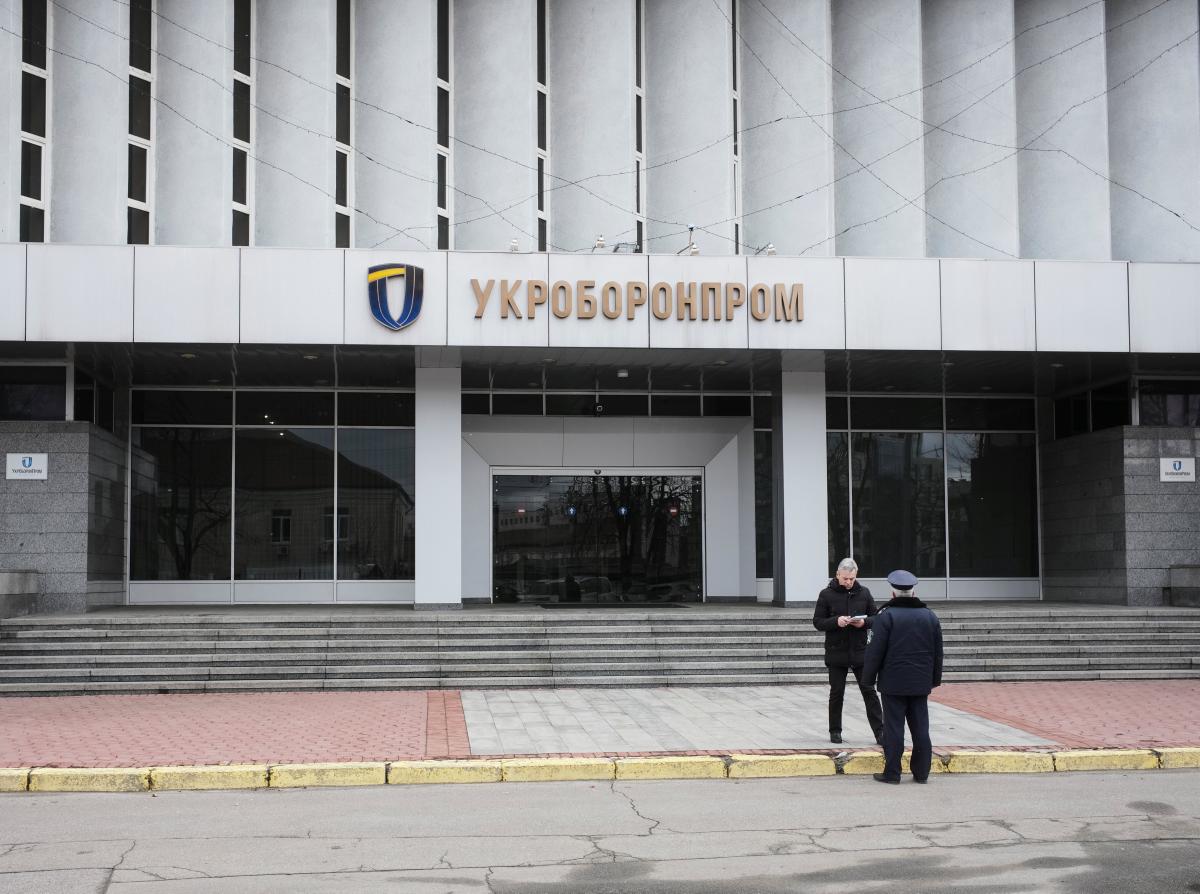
Ukraine's state-owned defense concern Ukroboronprom, within the IDEX-2021 exhibition, has signed a contract worth US$85.6 million with Pakistan to repair the country's T-80UD tank fleet.
That is according to a statement by the Ukroboronprom press service published on its website on February 22.
Ukraine-Pakistan cooperation
In 2020, Ukraine and Pakistan more than doubled bilateral trade, bringing turnover to US$238 million.
Memo
Ukraine's state-run Ukroboronprom Concern was founded in 2010 to ensure the effective operation and management of state-run economic entities involved in the development, manufacture, sale, repair, upgrade, and disposal of weapons, military and special equipment, and ammunition. Ukroboronprom's enterprises also participate in military and technical cooperation.
 www.unian.info
REUTERS
Ukraine's state-owned defense concern Ukroboronprom, within the IDEX-2021 exhibition, has signed a contract worth US$85.6 million with Pakistan to repair the country's T-80UD tank fleet.
That is according to a statement by the Ukroboronprom press service published on its website on February 22.
"Our armored vehicle manufacturers are constantly upgrading their production facilities, improving technology, which ensures high quality of their works and products. We also discussed with the Pakistani side new orders for the supplies of 6TD1 and 6TD2 engines to this country," the press service quoted Ukroboronprom CEO Yuriy Husyev as saying.
Ukraine-Pakistan cooperation
In 2020, Ukraine and Pakistan more than doubled bilateral trade, bringing turnover to US$238 million.
Memo
Ukraine's state-run Ukroboronprom Concern was founded in 2010 to ensure the effective operation and management of state-run economic entities involved in the development, manufacture, sale, repair, upgrade, and disposal of weapons, military and special equipment, and ammunition. Ukroboronprom's enterprises also participate in military and technical cooperation.
Ukraine, Pakistan strike tank repairs deal worth US$85.6 mln
Ukroboronprom's enterprises are constantly upgrading their production facilities and technology.


