

Holy grail of torpedoes. If Roketsan does achieve this goal, we should just scrap any plans for an aircraft carrier and focus on submarines.It was only mentioned as "intentions" in previous years (some of which go back several years, when Roketsan implied intended projects in a presentation). Now it is confirmed by Roketsan's CEO, the super-cavitation torpedo studies have begun on the experimental technology-capability gain level. Far from making a prototype, but the first step has been done for know-how of cavitation mechanism, manoeuvring of the torpedo etc.
They haven't decided on the specific design of the torpedo, as far as I know. They're investigating the best suited approach for TN's needs.
The torpedo has a cool, but hard to spell, name that fits the possible shape. Tip: It was trademarked by Roketsan a few years ago and is a reference to the name of a fish.

You are using an out of date browser. It may not display this or other websites correctly.
You should upgrade or use an alternative browser.
You should upgrade or use an alternative browser.

İTÜKAT | İstanbul Teknik Üniversitesi Kavitasyon Tüneli
itukat.itu.edu.tr
ITU-KAT now has a website.
Presentation of the institution and the projects carried out within it.
View attachment 65620
View attachment 65621
Anyway, it was also disclosed by ITU-KAT few days ago.
Strangely, there has been activity on the TORK torpedo, but again nothing from Aselsan.
Strangely, there has been activity on the TORK torpedo, but again nothing from Aselsan.


Holy grail of torpedoes. If Roketsan does achieve this goal, we should just scrap any plans for an aircraft carrier and focus on submarines.
Soviet had it in service from 1970s if I am not mistaken. I dont think it is that big of a deal.
Waiting for Orka...Wait for Q2 2024.
Personal opinion mate, I think a torpedo that can travel at hundreds of kms is a big deal. And I know Soviets had it but there hasn't really been an update on the concept since early 00s as far as I know.Soviet had it in service from 1970s if I am not mistaken. I dont think it is that big of a deal.
From this perspective, there is literally no military project that will be a big deal, because most ideas or concepts were conquered in the 70s and 80s. It is a whole different area of science and still not numerically solved in a practical way.Soviet had it in service from 1970s if I am not mistaken. I dont think it is that big of a deal.


You have to mention me, if you post something like this.It was only mentioned as "intentions" in previous years (some of which go back several years, when Roketsan implied intended projects in a presentation). Now it is confirmed by Roketsan's CEO, the super-cavitation torpedo studies have begun on the experimental technology-capability gain level. Far from making a prototype, but the first step has been done for know-how of cavitation mechanism, manoeuvring of the torpedo etc.
They haven't decided on the specific design of the torpedo, as far as I know. They're investigating the best suited approach for TN's needs.
The torpedo has a cool, but hard to spell, name that fits the possible shape. Tip: It was trademarked by Roketsan a few years ago and is a reference to the name of a fish.

From this perspective, there is literally no military project that will be a big deal, because most ideas or concepts were conquered in the 70s and 80s. It is a whole different area of science and still not numerically solved in a practical way.
Is there any reason why most of advance navies did not invest in it earlier? I thought because it was a dead end. What could next gen super cavitation Torpedo look like capability wise with today's technology?


I think all relevant navies have experimented with supercavitating torpedo technology or are still doing it with no major news.
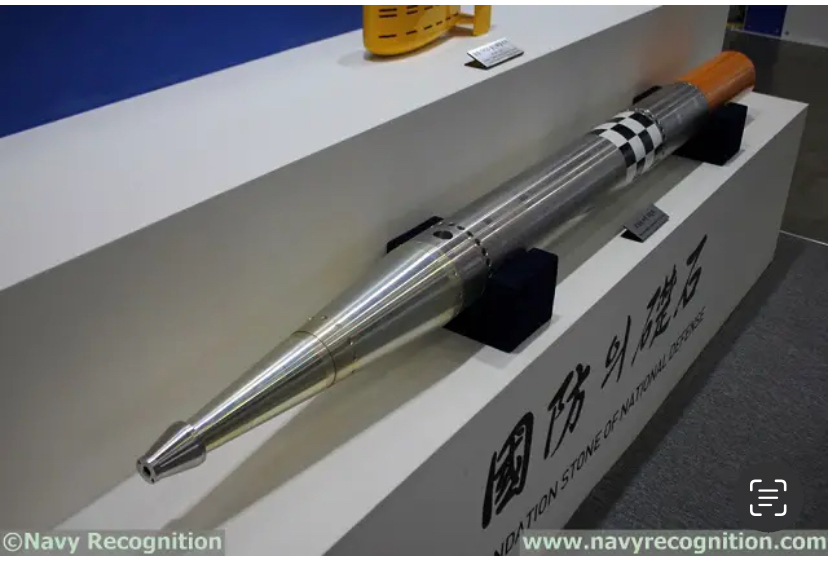
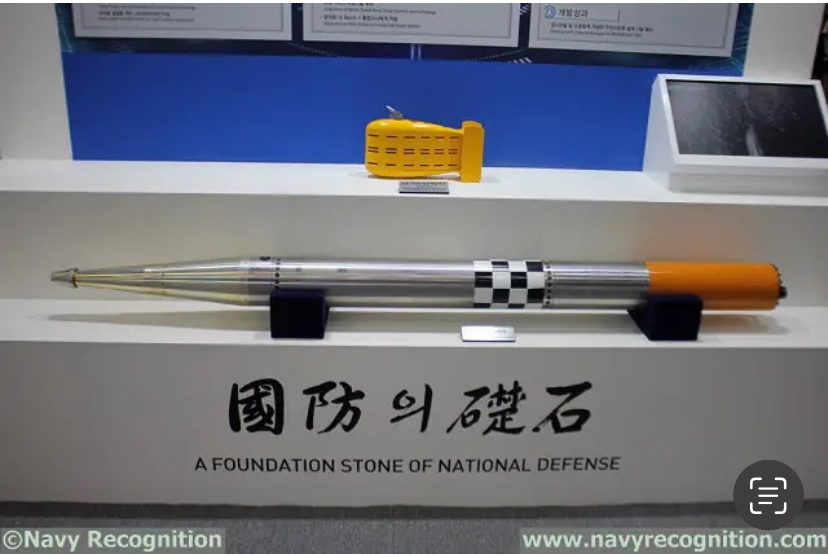
Korean „supercavitating underwater test vehicle“ on ADD stand at MADEX 2017:

 www.navyrecognition.com
High speed water tank test 2015
Korean „supercavitating underwater test vehicle“ on ADD stand at MADEX 2017:
MADEX 2017: South Korea Developing a Supercavitating Torpedo
google_ad_client = "ca-pub-4068738923530102"; /* Navy Recognition 468x15 link */ google_ad_slot = "6873402760"; google_ad_width = 468;
www.navyrecognition.com
High speed water tank test 2015
Last edited:

How? It is not easy to deal with super cavitating torpedoes. Their short range and the difficulty of guidance are real problems.Supercavitating torpedos are the loudest mfers under the sea. Any competent vessel would instantly know where it is and where it's coming from and deal with it accordingly.
@AfifI think all relevant navies have experimented with supercavitating torpedo technology or are still doing it with no major news.
Korean „supercavitating underwater test vehicle“ on ADD stand at MADEX 2017:
View attachment 65631
View attachment 65632
MADEX 2017: South Korea Developing a Supercavitating Torpedo
google_ad_client = "ca-pub-4068738923530102"; /* Navy Recognition 468x15 link */ google_ad_slot = "6873402760"; google_ad_width = 468;
High speed water tank test 2015
I heard about the project many years ago. 5 years ago, maybe more.
You can start the supercavitation in a second stage.Supercavitating torpedos are the loudest mfers under the sea. Any competent vessel would instantly know where it is and where it's coming from and deal with it accordingly.
Is there any reason why most of advance navies did not invest in it earlier? I thought because it was a dead end. What could next gen super cavitation Torpedo look like capability wise with today's technology?
They invested, but it was deemed "unfeasible" within the current doctrine, as submarines were supposed to stay in the shadows as long and as far as possible. If super-cavitating torpedoes were to be used, it was only as a last resort, when a submarine was likely to be 'chased'. And since the countries that developed this system had nuclear-powered submarines that could outrun torpedoes or even most surface warships, they did not opt for it. (Maybe except for Germany, they were bored and just wanted to do something more sophisticated than DM2A4).
Better guidance, better electronics, better control units, better manoeuvrability, better rocket fuel for longer ranges, encapsulated super-cavitating torpedoes could change the way these systems were intended to be used, battery technology has also been developed that could lead to capsules with sufficient range to bring the submarine into safe range for engagements. Until recently, torpedoes used Otto fuel, then chemical batteries, and finally lithium-ion as the tech is matured. When super-cavitating torpedoes were introduced decades ago, they could operate at limited depths due to bubble collapse, and today they can be used with controlled gas injection to keep the bubble alive at more flexible depths. This is just one example. In the past they relied on cavitator for maneuvering,and not very so nowadays.
Better guidance, better electronics, better control units, better manoeuvrability, better rocket fuel for longer ranges, encapsulated super-cavitating torpedoes could change the way these systems were intended to be used, battery technology has also been developed that could lead to capsules with sufficient range to bring the submarine into safe range for engagements. Until recently, torpedoes used Otto fuel, then chemical batteries, and finally lithium-ion as the tech is matured. When super-cavitating torpedoes were introduced decades ago, they could operate at limited depths due to bubble collapse, and today they can be used with controlled gas injection to keep the bubble alive at more flexible depths. This is just one example. In the past they relied on cavitator for maneuvering,and not very so nowadays.
You can start the supercavitation in a second stage.
It has no "not super-cavitating" state, the torpedo is pushed out, swims to a safe distance, turns on the rocket engine with the gas generator and goes.
Oh, there are also those.Their short range and the difficulty of guidance are real problems.
I completely forgot those
A brief and complete article on super-cavitating torpedoes;They invested, but it was deemed "unfeasible" within the current doctrine, as submarines were supposed to stay in the shadows as long and as far as possible. If super-cavitating torpedoes were to be used, it was only as a last resort, when a submarine was likely to be 'chased'. And since the countries that developed this system had nuclear-powered submarines that could outrun torpedoes or even most surface warships, they did not opt for it. (Maybe except for Germany, they were bored and just wanted to do something more sophisticated than DM2A4).
Better guidance, better electronics, better control units, better manoeuvrability, better rocket fuel for longer ranges, encapsulated super-cavitating torpedoes could change the way these systems were intended to be used, battery technology has also been developed that could lead to capsules with sufficient range to bring the submarine into safe range for engagements. Until recently, torpedoes used Otto fuel, then chemical batteries, and finally lithium-ion as the tech is matured. When super-cavitating torpedoes were introduced decades ago, they could operate at limited depths due to bubble collapse, and today they can be used with controlled gas injection to keep the bubble alive at more flexible depths. This is just one example. In the past they relied on cavitator for maneuvering,and not very so nowadays.
It has no "not super-cavitating" state, the torpedo is pushed out, swims to a safe distance, turns on the rocket engine with the gas generator and goes.
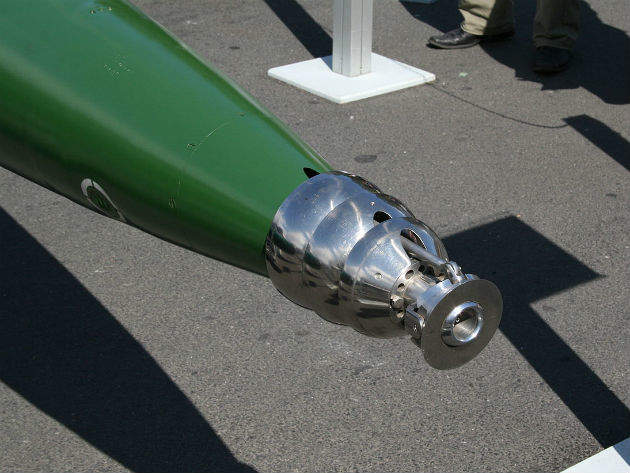
The allure of supercavitating torpedoes
Feature on supercavitating torpedoes—core concepts, speed trade-offs, guidance challenges, and operational relevance.
 www.naval-technology.com
That’s what I meant with the second stage.It has no "not super-cavitating" state, the torpedo is pushed out, swims to a safe distance, turns on the rocket engine with the gas generator and goes.
There is one more thing to consider on top of advances in technology that might help and that is advancement in delivery options. Even if its range cannot be increased, an underwater or semi-submersible drone (or a bunch of them) can get in close enough to make great use of supercavitation torpedoes.Better guidance, better electronics, better control units, better manoeuvrability, better rocket fuel for longer ranges, encapsulated super-cavitating torpedoes could change the way these systems were intended to be used, battery technology has also been developed that could lead to capsules with sufficient range to bring the submarine into safe range for engagements. Until recently, torpedoes used Otto fuel, then chemical batteries, and finally lithium-ion as the tech is matured. When super-cavitating torpedoes were introduced decades ago, they could operate at limited depths due to bubble collapse, and today they can be used with controlled gas injection to keep the bubble alive at more flexible depths. This is just one example. In the past they relied on cavitator for maneuvering,and not very so nowadays.

IMHO, a typical ASW vessel is a giant island of electronic and acoustic noise-maker on the surface. Radar emission can be detected at great distances, sensitive sonar systems can estimate the course. But the worst case scenario for a submarine is to be detected within the engagement limits of this vessel. You can detect it, but the destroyer/frigate dominates the area. Getting into torpedo range is a very risky warfare under any circumstances. If the submarine fires a torpedo,conventional type or not, it will become predictable at that moment, am I wrong?Supercavitating torpedos are the loudest mfers under the sea. Any competent vessel would instantly know where it is and where it's coming from and deal with it accordingly.

The serial production and the deliveries of AKYA,heavy class torpedo, has begun.


