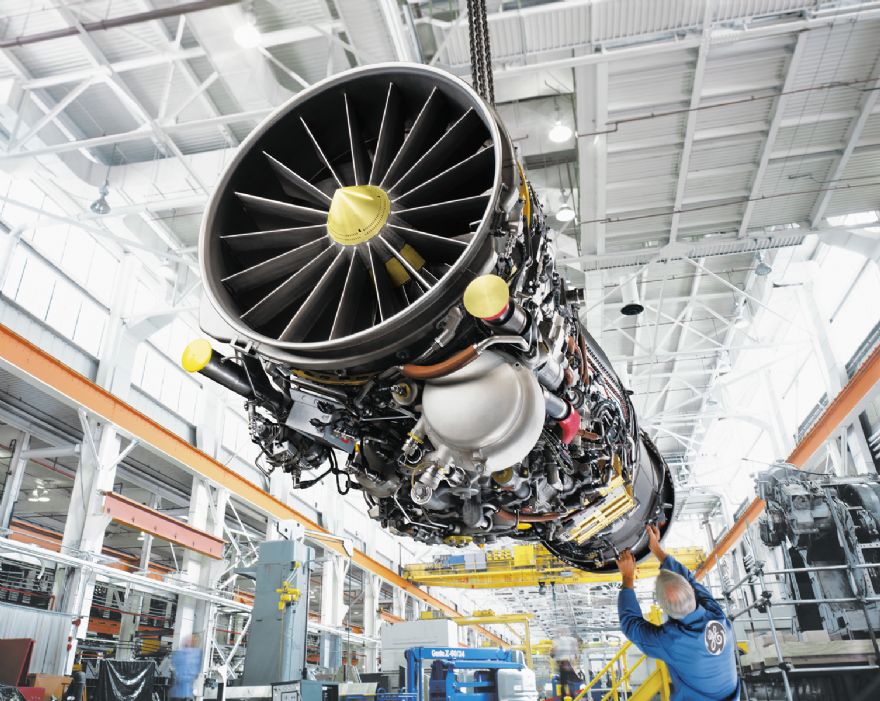
And come on mate, GE-F414 has something like 20k thrust with afterburners and over 10k without iirc, while we are talking about 10k thrust with afterburners (6k dry) with TF10k.
Pls check again. GE-F414 in Gripen develops 13000lbf dry and 22000lbf wet thrust.
Performance
In actual use, twin engines developing 10000lbf and totalling 20000lbf, is worth less than a single engine’s 20000lbf. Twin engines weigh more in total.
If upgraded correctly and furnished with the correct munitions, why shouldn’t our Hurjet be as lethal as a Gripen?
Even Gripen's RR engine was more powerful than TF10k is supposed to be.
What RR engine? Gripen was designed around US’s GE-F404 engine manufactured as Volvo RM12.
Of course it was more powerful. It was developing 12000lbf dry and 18100lbf wet thrust.
TAI would have to design that almost from scratch and it would have to go through every phase all over again.
Of course TAI would have to redesign the plane. Do you think they will not redesign Hurkus when navalising it? Airframe will have to undergo extensive upgrading.
Hürjet is not stealthy. At all.
Open sources put TA-50 and similar trainers at the similar RCS rating as F16. Hurjet needs to have a delta wing if it is to take off from short carrier runways without any hitches. Increasing wing area and forming a delta wing will improve lift.
If it is to be carrier operated it has to go through a lot of changes. It can be made stealthier.
We don't have a twin engine jet in hand
If you have a twin engined KAAN then you have a twin engined plane.
Hurjet was also designed to have two engines at the beginning. But a single engined model was chosen.
It is easier to use two small engines on a Hurjet than having to develop a single engine for a KAAN.
OK! The single engined KAAN will have to be smaller; which is worse. That means all parameters of current KAAN will have to be changed.
Your last paragraph is a controversial point. But cost does matter. Indians have been offered 26 navalised Rafale’s for 8 billion dollars. That dwarfs our 4 to 5 billion dollar carrier cost. That most probably takes in to account ammo, training, spares etc.
The trick here is to find the right balance to be effective. Baykar‘s TB2 when first became famous was so small and slow that it was very stealthy. It was cheap and didn’t carry a lot of ammo. But caused mayhem within Russian armour. Cheap annd small isn’t always bad.
We are discussing to find what is best for our Navy and airforce here. We don’t need to agree on every point. Your view point and mine can be very different.
And it is good that they are different. This way we may discover different ideas and find solutions to questions in our minds.
It is up to the Naval and Airforce command and their technical experts to decide which direction to go. But we can use our imagination about solving some of the dilemmas that our Navy and Airforce is faced with within the scope of limited information we have.