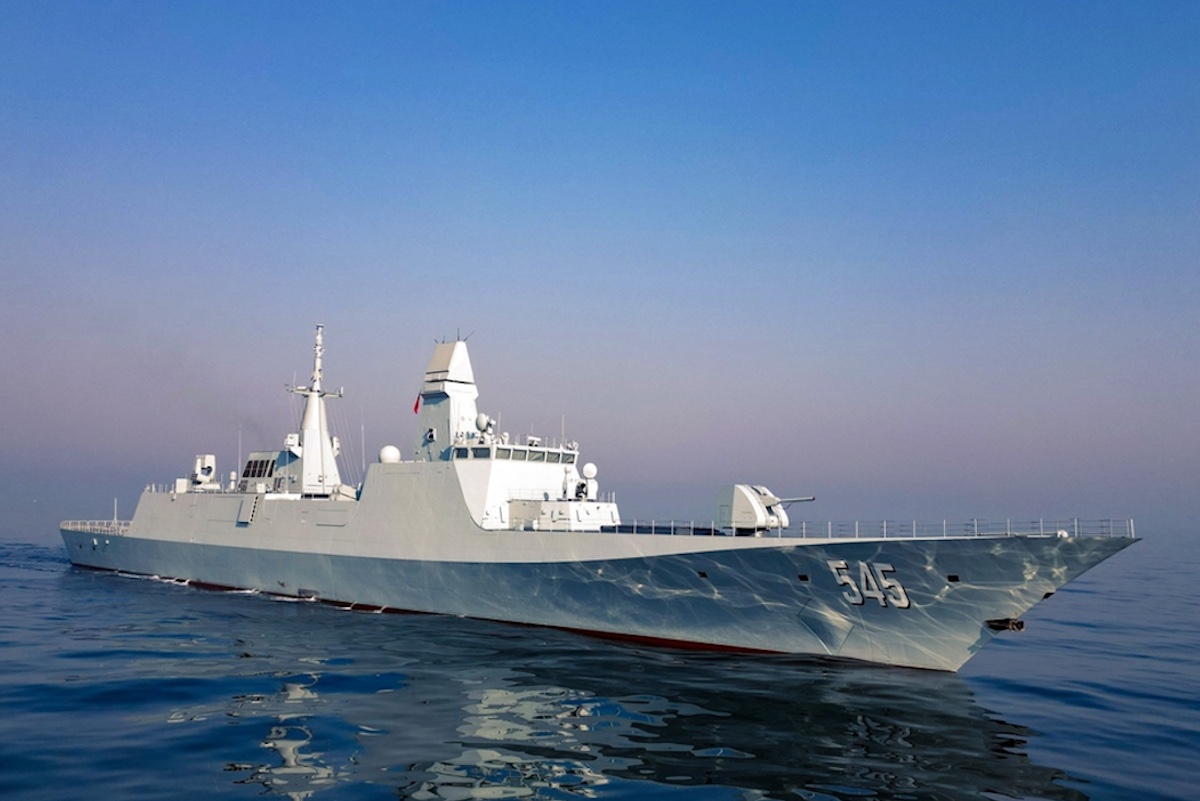
China is developing a warship of naval theorists’ dreams
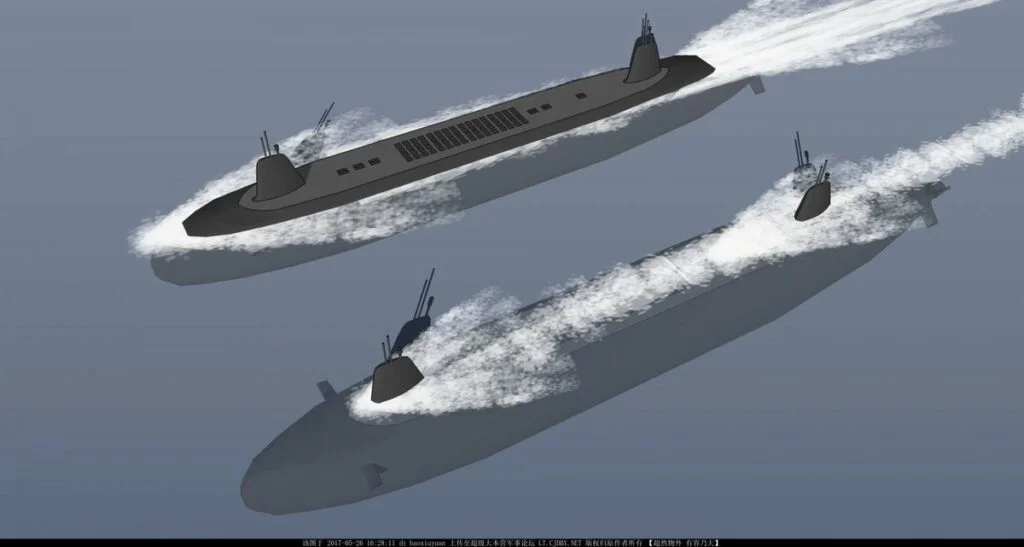
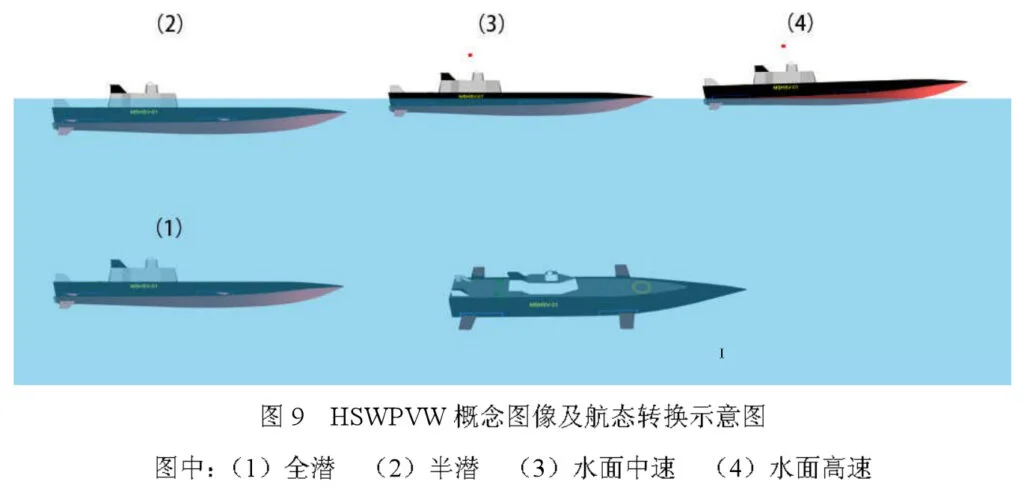
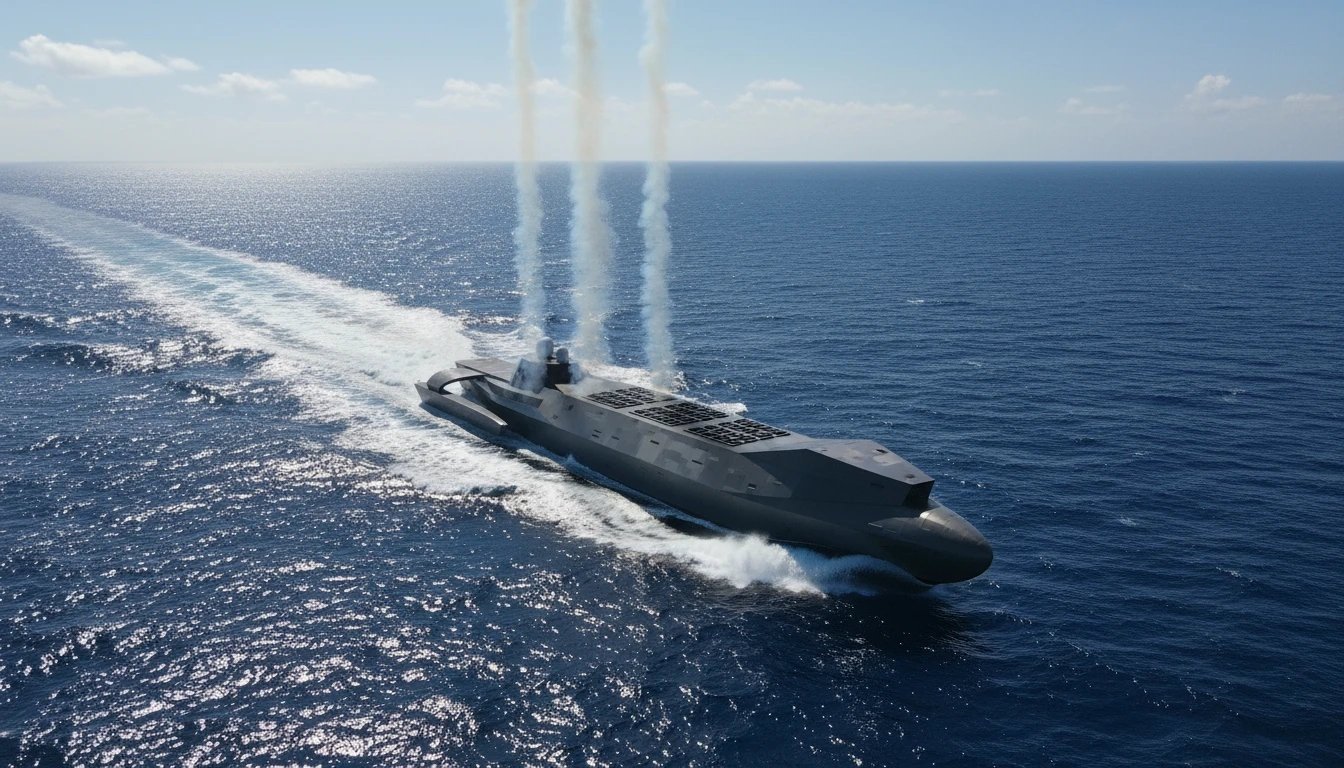
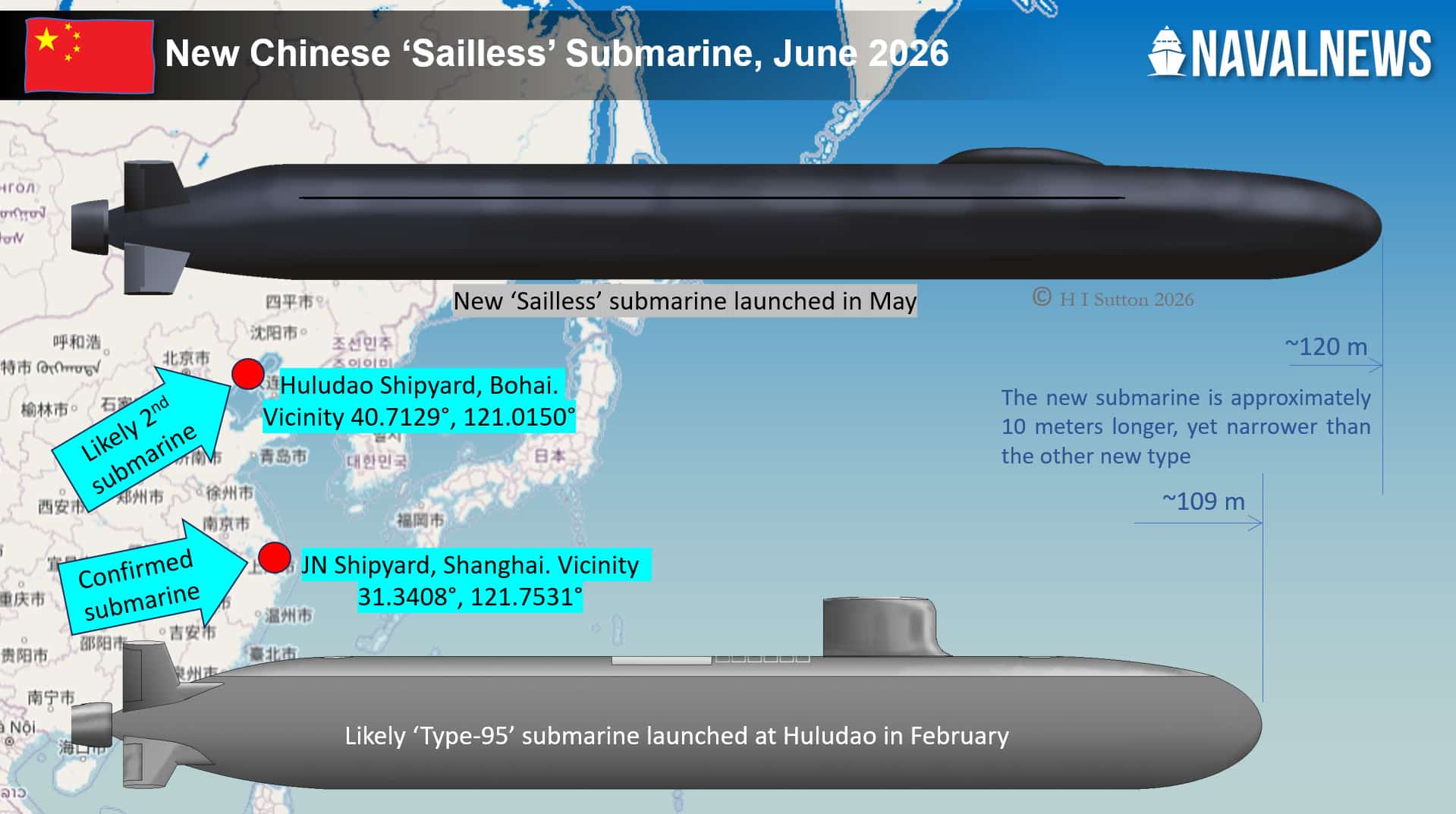
An arsenal ship that can be submerged in water

 www.popsci.com
Based on the real-time information, a submerged arsenal ship in naval warfare would bring the following capabilities:
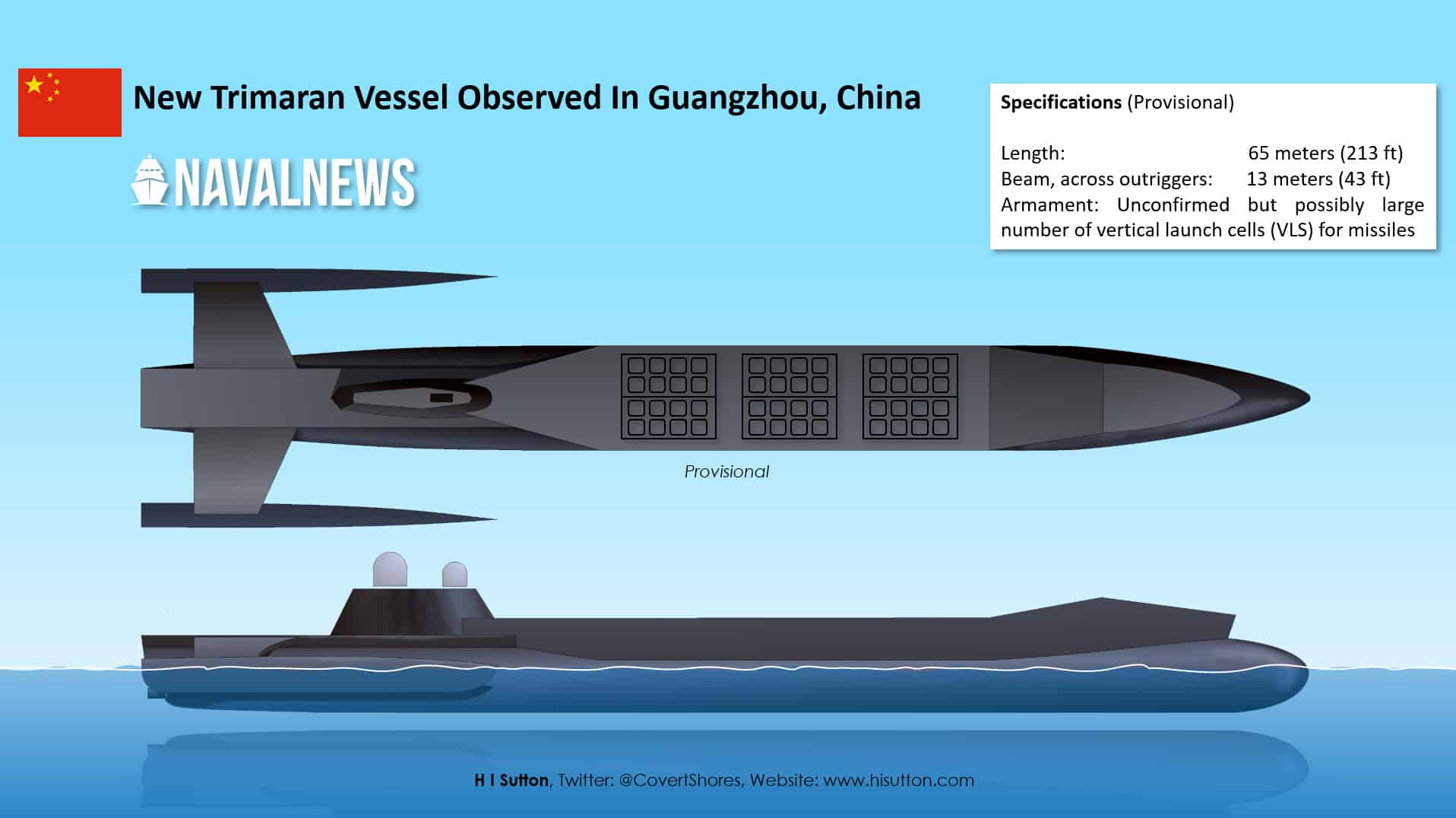
- Massive missile platform: An arsenal ship is designed to have a large number of vertical launch bays for mid-sized missiles. This allows for a significant firepower advantage in naval warfare.
- Stealth operations: The submerged arsenal ship would have most of its hull inherently submerged, making it ideal for stealth operations. This would enhance its ability to approach enemy targets undetected.
- High automation: The arsenal ship is expected to be highly automated, potentially requiring a small crew of around 25. This would reduce manpower requirements and increase operational efficiency.
- Remote missile and fire support magazine: The arsenal ship would serve as a remote missile and fire support magazine, providing a centralized platform for missile storage and launch capabilities.
- Distributed offensive capabilities: The arsenal ship would play a key role in a future fleet where offensive capabilities are distributed among various ships. This would enhance the overall effectiveness and flexibility of naval operations.
Please note that the capabilities mentioned above are based on the concept of an arsenal ship and may vary depending on the specific design and implementation by China.
But
Submarines are designed to operate in both surfaced and submerged conditions, but their ability to withstand rough sea conditions is limited when compared to surface ships. While submarines can survive and operate on the surface in various sea conditions, there are certain limitations to consider:
1. Sea State: Sea state refers to the condition of the sea, including wave height, period, and direction. Submarines are generally designed to handle sea states up to a certain limit, typically around Sea State 5 or 6, which corresponds to wave heights of approximately 8 to 13 feet (2.5 to 4 meters). Beyond these limits, the safety and stability of a surfaced submarine could be compromised, making it more vulnerable to damage.
2. Freeboard: Freeboard is the distance between the waterline and the main deck of a vessel. Submarines have relatively low freeboard, meaning they sit closer to the waterline compared to surface ships. This makes them more susceptible to taking on water and being affected by rough seas, especially if waves wash over the deck.
3. Hull Design: Submarines have streamlined hull designs optimized for underwater operations, which may not be as effective in handling rough seas on the surface. The shape of the hull and its hydrodynamic properties are primarily designed for submerged performance, and the vessel may experience increased resistance and reduced stability when operating on the surface in rough conditions.
4. Sail Exposure: The sail is the raised structure on the submarine that houses various sensors, periscopes, and masts. When a submarine is surfaced, the sail is exposed to the elements, including wind, waves, and spray. In rough sea conditions, the sail can be subjected to significant forces, potentially impacting stability and safety.
It's important to note that submarines are typically designed to avoid rough sea conditions whenever possible. They are equipped with the capability to submerge and operate underwater, where they are better protected from the effects of rough seas. Surfacing is usually done for specific reasons such as communication, periscope observations, or snorkeling to recharge batteries, but submarines generally aim to spend the majority of their time submerged.
If a submarine encounters exceptionally rough sea conditions while surfaced, it may seek shelter or adjust its course to minimize the impact of the waves. However, prolonged exposure to severe or extreme sea conditions could pose risks to the submarine's safety, stability, and operational capabilities.
An arsenal ship that can be submerged in water
China is developing a warship of naval theorists' dreams
The Chinese navy is taking arsenal ships in a new direction—as giant submersibles. Read on.
www.popsci.com
Based on the real-time information, a submerged arsenal ship in naval warfare would bring the following capabilities:
- Massive missile platform: An arsenal ship is designed to have a large number of vertical launch bays for mid-sized missiles. This allows for a significant firepower advantage in naval warfare.
- Stealth operations: The submerged arsenal ship would have most of its hull inherently submerged, making it ideal for stealth operations. This would enhance its ability to approach enemy targets undetected.
- High automation: The arsenal ship is expected to be highly automated, potentially requiring a small crew of around 25. This would reduce manpower requirements and increase operational efficiency.
- Remote missile and fire support magazine: The arsenal ship would serve as a remote missile and fire support magazine, providing a centralized platform for missile storage and launch capabilities.
- Distributed offensive capabilities: The arsenal ship would play a key role in a future fleet where offensive capabilities are distributed among various ships. This would enhance the overall effectiveness and flexibility of naval operations.
Please note that the capabilities mentioned above are based on the concept of an arsenal ship and may vary depending on the specific design and implementation by China.
But
Submarines are designed to operate in both surfaced and submerged conditions, but their ability to withstand rough sea conditions is limited when compared to surface ships. While submarines can survive and operate on the surface in various sea conditions, there are certain limitations to consider:
1. Sea State: Sea state refers to the condition of the sea, including wave height, period, and direction. Submarines are generally designed to handle sea states up to a certain limit, typically around Sea State 5 or 6, which corresponds to wave heights of approximately 8 to 13 feet (2.5 to 4 meters). Beyond these limits, the safety and stability of a surfaced submarine could be compromised, making it more vulnerable to damage.
2. Freeboard: Freeboard is the distance between the waterline and the main deck of a vessel. Submarines have relatively low freeboard, meaning they sit closer to the waterline compared to surface ships. This makes them more susceptible to taking on water and being affected by rough seas, especially if waves wash over the deck.
3. Hull Design: Submarines have streamlined hull designs optimized for underwater operations, which may not be as effective in handling rough seas on the surface. The shape of the hull and its hydrodynamic properties are primarily designed for submerged performance, and the vessel may experience increased resistance and reduced stability when operating on the surface in rough conditions.
4. Sail Exposure: The sail is the raised structure on the submarine that houses various sensors, periscopes, and masts. When a submarine is surfaced, the sail is exposed to the elements, including wind, waves, and spray. In rough sea conditions, the sail can be subjected to significant forces, potentially impacting stability and safety.
It's important to note that submarines are typically designed to avoid rough sea conditions whenever possible. They are equipped with the capability to submerge and operate underwater, where they are better protected from the effects of rough seas. Surfacing is usually done for specific reasons such as communication, periscope observations, or snorkeling to recharge batteries, but submarines generally aim to spend the majority of their time submerged.
If a submarine encounters exceptionally rough sea conditions while surfaced, it may seek shelter or adjust its course to minimize the impact of the waves. However, prolonged exposure to severe or extreme sea conditions could pose risks to the submarine's safety, stability, and operational capabilities.
Last edited:






 @Olivia_Parker07 & Dzaky Naradichiantama