
True, the only reason they are selling is because governments are forcing legislation to force people to stop using ICE cars and some of them are even subsidizing their citizens who buy EV's. But they will become an environmental disaster, ICE cars as flawed as they are, they still are recyclable in80-90% of their parts including major parts like engine and transmission, EV's on the other hand will cause a shitpile of unrecyclable parts and batteries that will probably end up polluting third world countries who don't even use them.Fuck EV's.
A disaster for the environment and nature to produce (kobalt, lithium etc), very dangerous if they catch fire when malfunction and a big pain in the ass to charge every hour.
No Turkish family living in the Western big cities want to buy a car that you need to charge for hours every 200 km when you go to your ancestral village in the Eastern part of Turkey during the holidays.

Latest Thread
- Kyrgyzstan rejects European proposal to accept migrants
- Russia Project 885M nuclear-powered submarine *Novosibirsk* strikes a target at a range of 1,200 km with a Kalibr missile.
- Space Brazil ties up with India's Skyroot Aerospace to develop Satellite Launch Vehicle
- Bangladesh Opinion Bangladesh’s intelligence challenge
- Open-source AI for exploiting cyber vulnerabilities
You are using an out of date browser. It may not display this or other websites correctly.
You should upgrade or use an alternative browser.
You should upgrade or use an alternative browser.


Temporary refuge seekers will get %50 of the jobs created with the new World Bank credit. It is one of the terms of the WB credit.


Temporary refuge seekers will get %50 of the jobs created with the new World Bank credit. It is one of the terms of the WB credit.
Should be easy to provide a source for that claim.

Or a proof, that the refugee get the said jobs.Should be easy to provide a source for that claim.
Should be easy to provide a source for that claim.
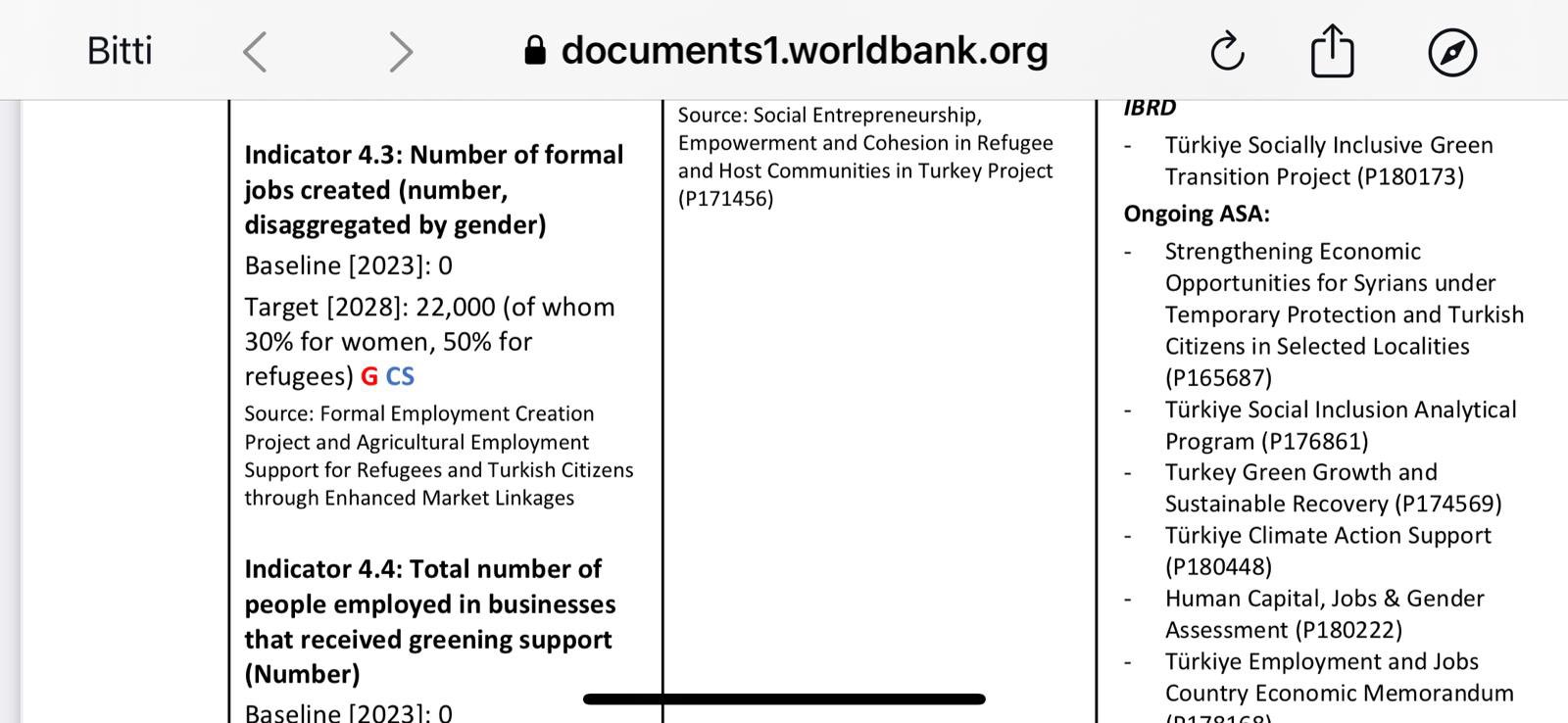
Should be easy to google something simple.
Should be easy to google something simple.
Thanks and no, if you post and claim something, you got to deliver the source, the burden is on you.
Better yet, next time post the source directly as a link too.


YeşilVatan
Contributor
Kosgeb does the same thing AFAIK. Mandatory employment quotas for Syrians in exchange for credits.
This country needs a hard reset. Everything stinks.
This country needs a hard reset. Everything stinks.
Who can afford this?
YeşilVatan
Contributor
Rentier classWho can afford this?


SIPRI report says: Turkey's military expenditures increased by 37 percent compared to the previous year and reached 15.8 billion dollars.
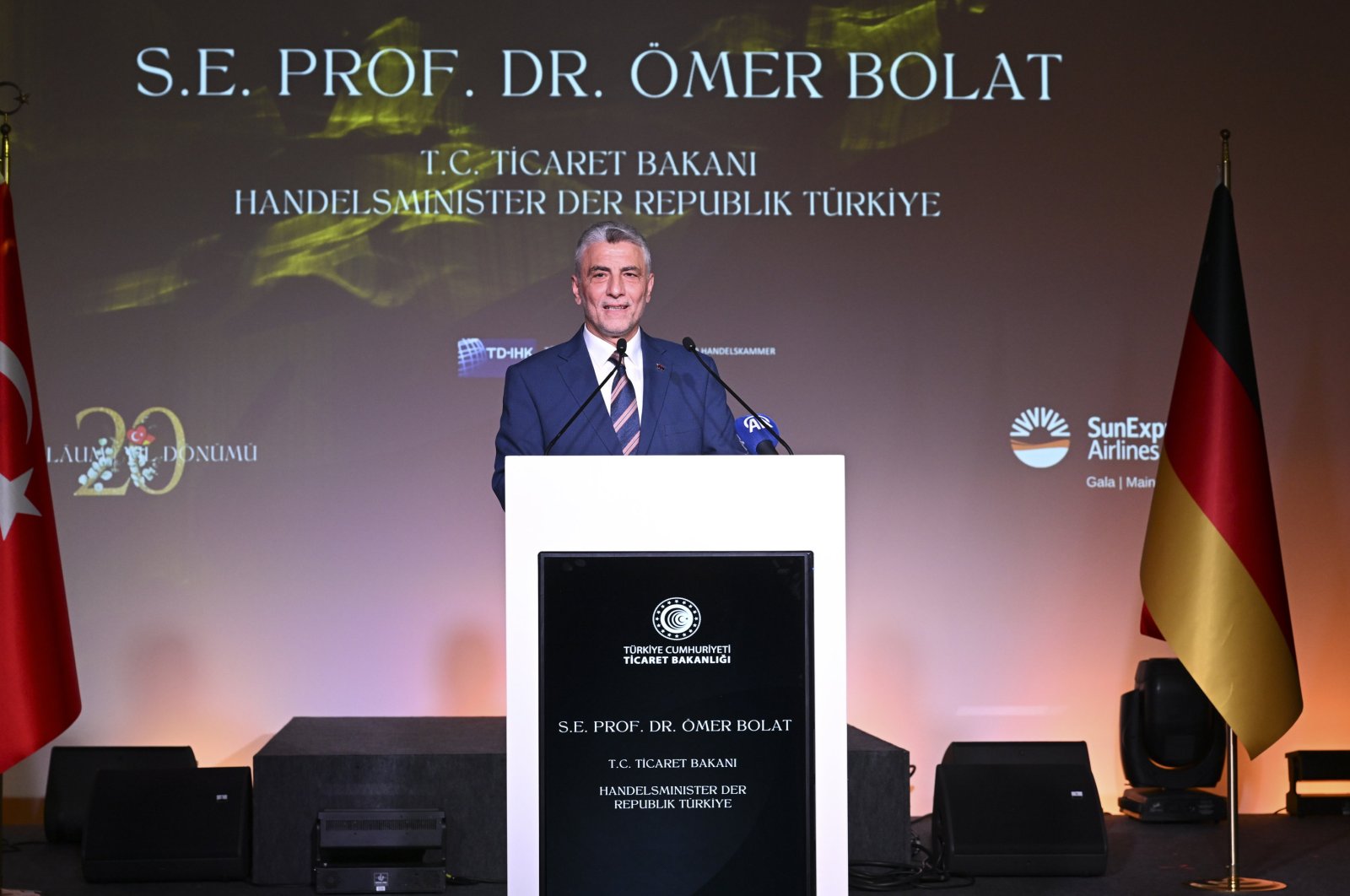
Türkiye eyes $60B trade with Germany, calls for customs union revamp
The valuable businesspeople of Türkiye and Germany will hopefully reach the target of $60 billion in trade volume between the two countries in a couple of...
An inventory of all vehicles registered in public institutions was made and a list of those that needed to be liquidated was prepared.
Seems money is running out for these things.
YeşilVatan
Contributor
I need Süleyman Soylu OOOOĞĞĞĞGKKHHH meme. GET REKT BureucRATsSeems money is running out for these things.
Keyfim yerine geldi yeminle.
Simsek is doing a great job these days
Turkey's current account gap and trade deficit have shrunk considerably. Turkey's 5 year CDS is falling below the 300s and all the money the TCMB spent before the local elections have been recovered as of April 30; i-e, within a month only. Simsek is also promising to cut all unnecessay expenses and ensure that all those who doesnt pay taxes will face further scrutiny and sanctions. Moreover, all international financial institutions and TCMB regulators are promising to continue sticking to orthodoxy. Finally, KKM accounts have been reduced from 200 billion dollars to 120 billion dollars as well as foreign accounts in dollars have reduced while lira deposits have increased
By the end of the year, if no one stands in Simsek's way, Turkey's economic position would have recovered considerebaly

When i was in Berlin two years ago, one Döner cost 5 Euro. Today the same döner costs 10 Euro in Berlin.
I have to be fair.
Nureddin Nebati:
"I'm a scientist."

International credit rating agency S&P increased Turkey's credit rating from B to B+.


