
You are using an out of date browser. It may not display this or other websites correctly.
You should upgrade or use an alternative browser.
You should upgrade or use an alternative browser.


Scoop: Azerbaijan seeks to mediate between Turkey and Israel
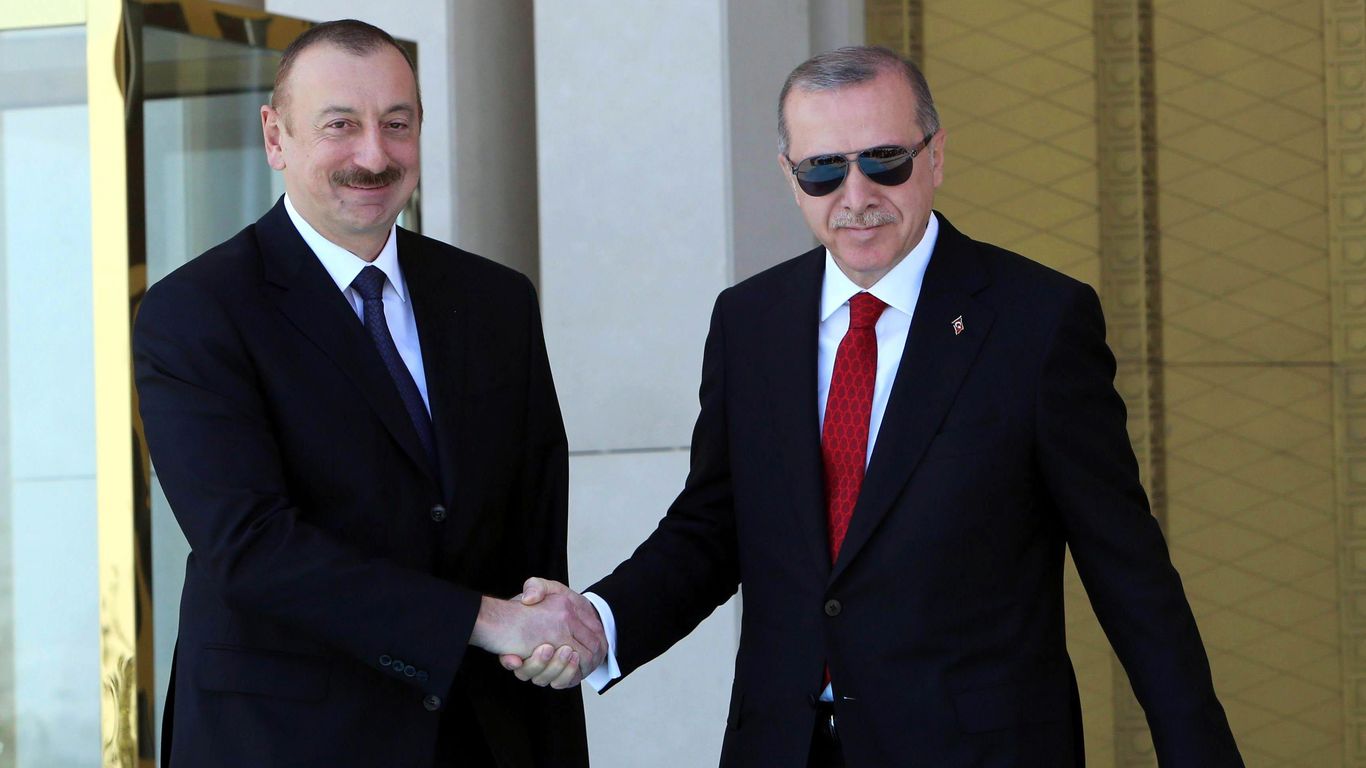
Azerbaijan seeks to mediate between Turkey and Israel
They both sent drones to Azerbaijan, but they hardly talk to one another.
 www.axios.com


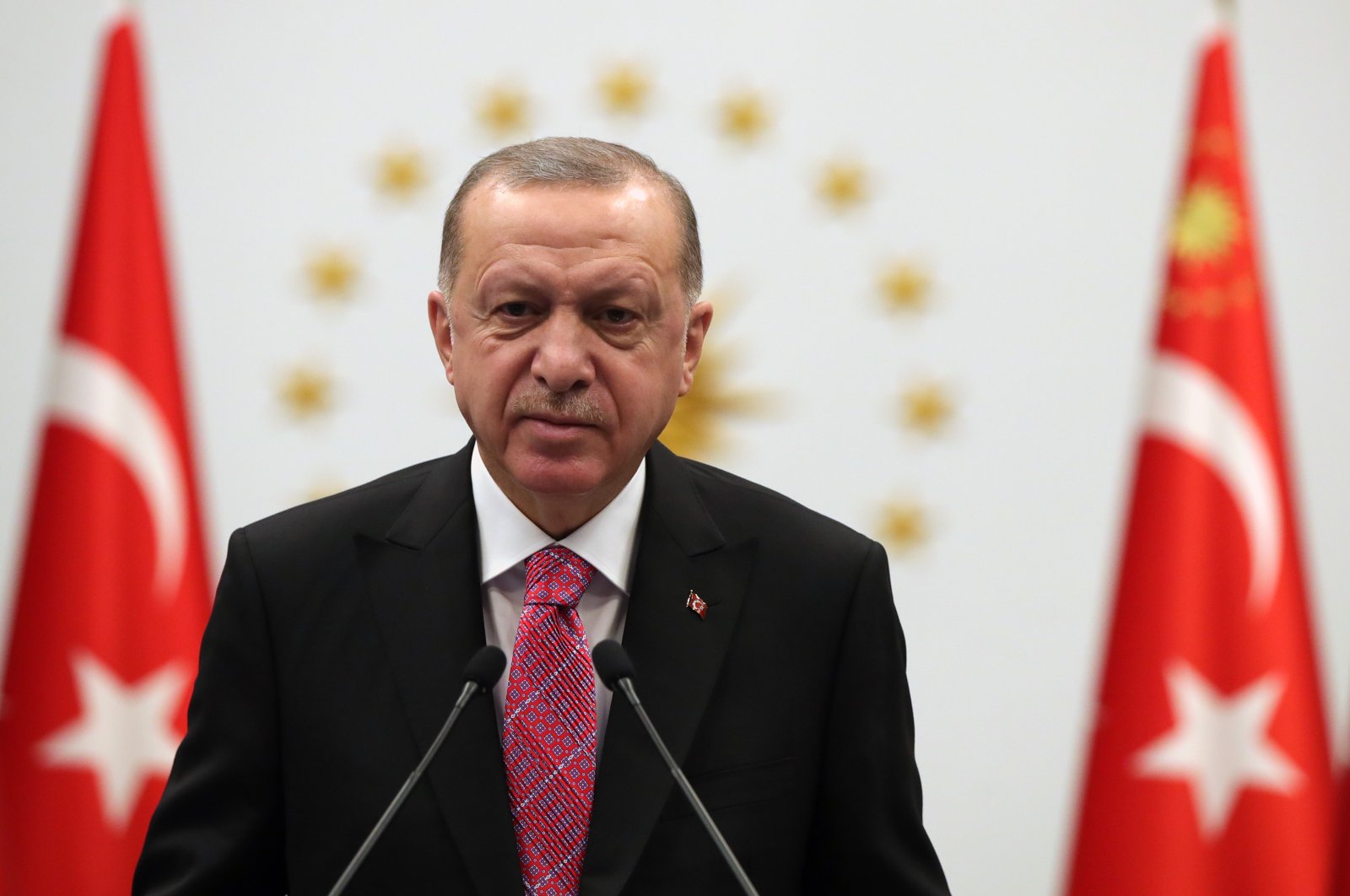
Turkey hopes for better relations with Israel, Erdoğan says
Turkey has not fully cut off its relations with Israel and continues to cooperate with the country in the intelligence field, President Recep Tayyip...
Looks like ties may finally be reestablished with Israel. We'll see where this leads.
Another source:
Erdogan says Turkey interested in improving relations with Israel
Earlier this month, Ankara reportedly appointed Ufuk Ulutas, 40, from its Foreign Ministry as an Ambassador to Israel.
 www.google.com


Azerbaijan reportedly has been working to try and renew ties between Israel and Turkey.
President Tayyip Erdogan said on Friday that Turkey would like to have better ties with Israel, adding that talks at intelligence level continued between the two sides.
The two countries have had a bitter falling out in recent years, despite strong commercial ties, expelling ambassadors in 2018. Ankara has repeatedly condemned Israel's occupation in the West Bank and its treatment of Palestinians.
Speaking to reporters after Friday prayers in Istanbul, Erdogan said Turkey had issues with "people at the top level" in Israel and that ties could have been "very different" if it were not for those issues.
"The Palestine policy is our red line. It is impossible for us to accept Israel's Palestine policies. Their merciless acts there are unacceptable," Erdogan said.
"If there were no issues at the top level, our ties could have been very different," he added. "We would like to bring our ties to a better point."
Turkey and Israel, former allies, expelled each other's top diplomats in 2018 over clashes when dozens of Palestinians were killed by Israeli forces on the Gaza border. Ankara and Tel Aviv continue to trade with one another.
Azerbaijan reportedly has been working to try and renew tiesbetween Israel and Turkey, Walla! news reported on Wednesday. Israel and Turkey both offered the government of Azerbaijan's President Ilham Aliyev military support during the 2020 Nagorno-Karabakh War.
Aliyev allegedly phoned Turkish President Recep Tayyip Erdogan this week and suggested various paths into improving diplomatic relations between Turkey and Israel.
Erdogan was reported to respond positively to the overtures, Walla! reported, and officials in Azerbaijan told their Israeli counterparts that the Turkish politician was swayed into anti-Israeli rhetoric due to the influence of former aids.
Last week, Azeri Foreign Minister Jeyhun Bayramov allegedly called Foreign Minister Gabi Ashkenazi to discuss the same issue with the message that his country would be interested to see both of its allies enjoying improved relations.
Erdogan says Turkey interested in improving relations with Israel
Earlier this month, Ankara reportedly appointed Ufuk Ulutas, 40, from its Foreign Ministry as an Ambassador to Israel.
www.jpost.com

A peace process is not possible as long as they impose an embargo on Gaza.Turkey hopes for better relations with Israel, Erdoğan says
Turkey has not fully cut off its relations with Israel and continues to cooperate with the country in the intelligence field, President Recep Tayyip...www.dailysabah.com
Looks like ties may finally be reestablished with Israel. We'll see where this leads.
Another source:

Erdogan says Turkey interested in improving relations with Israel
Earlier this month, Ankara reportedly appointed Ufuk Ulutas, 40, from its Foreign Ministry as an Ambassador to Israel.


I think the Syria issue is more important, and the terrorist state they’re trying to build there. FP wise I don’t see Turkey in any strong position or a need for Israel to mend ties as of now.
In my eyes Turkey is more in dire needs of allies than the other way around.
In my eyes Turkey is more in dire needs of allies than the other way around.

On the contrary Israel has stepped out of its calm policy and is slowly causing alarms to go off as to how Israel is a threat to the region. Israel needs to ease its tension more than Turkey does.I think the Syria issue is more important, and the terrorist state they’re trying to build there. FP wise I don’t see Turkey in any strong position or a need for Israel to mend ties as of now.
In my eyes Turkey is more in dire needs of allies than the other way around.

1. Rule of Dealing With Israel:On the contrary Israel has stepped out of its calm policy and is slowly causing alarms to go off as to how Israel is a threat to the region. Israel needs to ease its tension more than Turkey does.
Be aware of the fact that Israel has neither friends nor enemies. If Israel is supporting your opponents, it's a pretty clear sign of a failing foreign policy from your corner of the arena.
Don't mistake Israel's position as pragmatism, though. This is not the case, in fact, Israel's foreign policy is strictly embedded in an ideological framework.
But the Israeli policy makers are rather neutral w.r.t. all Middle Eastern parties.
To sum it up, if Israel is openly or secretly supporting the terror organization PKK, this means that you left a space that got filled by these rats.
Israel neither hates nor loves us and we should plan our foreign policy accordingly.
S
Sinan
Guest
It's not an embargo un Turkey, it's Gaza. Maybe it's very important for radical Islamists and Jihadists. but not for the regular citizens of Turkey.A peace process is not possible as long as they impose an embargo on Gaza.
Last edited by a moderator:


I see that lot of turks simp for israel, that is kimd ironic as cionist with help of britain screwed ottoman empire. Nowerdays it is kind of necessity and i can not critique it much as long your eggs are not in one basket.
For me natural alloes of turkey in ideal setup are iran and pakistan with exstension to southeast asia amd central asia amd that is where futue lies, demogrhapic potentital of this countries is huge and evemtually it will reflect on economy to, it would be chatastrofic if you miss that train.
For me natural alloes of turkey in ideal setup are iran and pakistan with exstension to southeast asia amd central asia amd that is where futue lies, demogrhapic potentital of this countries is huge and evemtually it will reflect on economy to, it would be chatastrofic if you miss that train.
Your observation is far from reality. A few people sampled on the net do not paint the picture.I see that lot of turks simp for israel, that is kimd ironic as cionist with help of britain screwed ottoman empire. Nowerdays it is kind of necessity and i can not critique it much as long your eggs are not in one basket.
For me natural alloes of turkey in ideal setup are iran and pakistan with exstension to southeast asia amd central asia amd that is where futue lies, demogrhapic potentital of this countries is huge and evemtually it will reflect on economy to, it would be chatastrofic if you miss that train.
Those worked towards the collapse of the Ottoman Empire are many but the main ones are as you defined them. Some of the remaining ones also exist in the current population of Turkey. Most Turks are with the policies of the Turkish government but some have ties with the other side in one way or another.


Look my friends this is foreign politics/state interests not sympathy politics.
Normal relations with Israel are important for Turkey also with Egypt, what happened in the past is not of importance anymore, we have to look forward.
Turkey should always follow neutral politics in the ME, neither side with Iranians, Arabs or Israelis.
When you're weak they will screw you up, that's live, that's how nature works.
Normal relations with Israel are important for Turkey also with Egypt, what happened in the past is not of importance anymore, we have to look forward.
Turkey should always follow neutral politics in the ME, neither side with Iranians, Arabs or Israelis.
When you're weak they will screw you up, that's live, that's how nature works.
I personally have a very basic geopolitical view: business is king.
Business ties make conflicts harder, because they come at a price.
You can still disagree in foreign policy but let's have normal relations with decent sized economies such as Iran, Israel or Egypt. We have so much more to gain if countries were a little bit more operated with business in focus instead of personal vendettas.
Business ties make conflicts harder, because they come at a price.
You can still disagree in foreign policy but let's have normal relations with decent sized economies such as Iran, Israel or Egypt. We have so much more to gain if countries were a little bit more operated with business in focus instead of personal vendettas.
According to jerusalem post Turkey and Russia increase cooperation to push US out of ME.

schuimpjes
Experienced member

- Russia : Welcome to the resistance.
According to jerusalem post Turkey and Russia increase cooperation to push US out of ME.
- Turkey : What a warm welcome.
*Satire boy
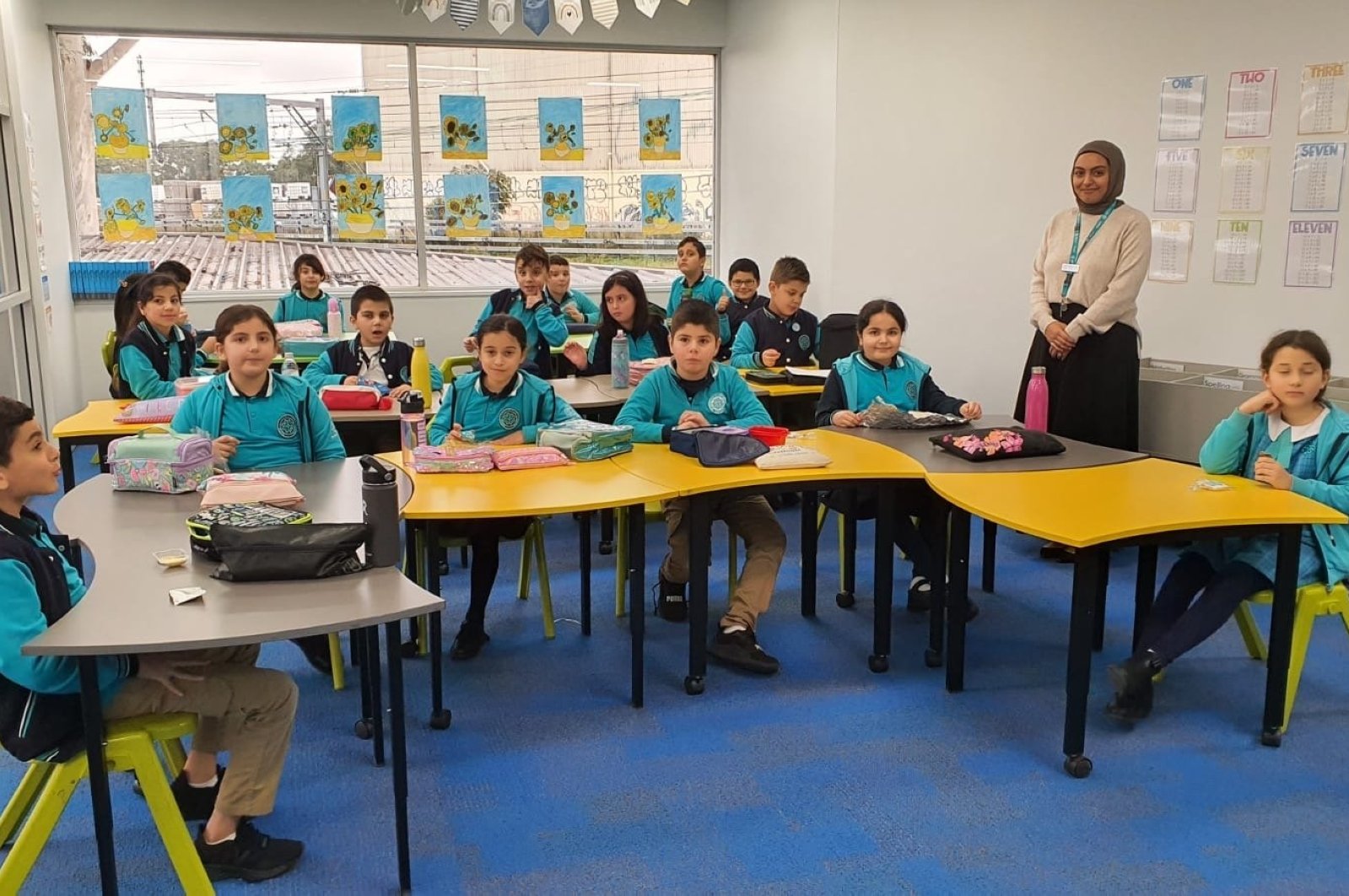
Turkey's Maarif resumes activities at full speed, taking over 214 schools across world
Turkey's Maarif Foundation (TMF) continues its work around the world, taking over schools that once belonged to the Gülenist Terror Group (FETÖ) and...
I was wondering whether it's the right thing to have TMF involved in all of these activities. ( I assume the state is shareholder or such in the TMF).
Turkish Maarif Foundation - Wikipedia
I am not sure that T.C. has financed any of these schools, so taking over these schools must be a burden to Turkey's Economy, and add to that the political implications where these schools might become targettet politically and such.
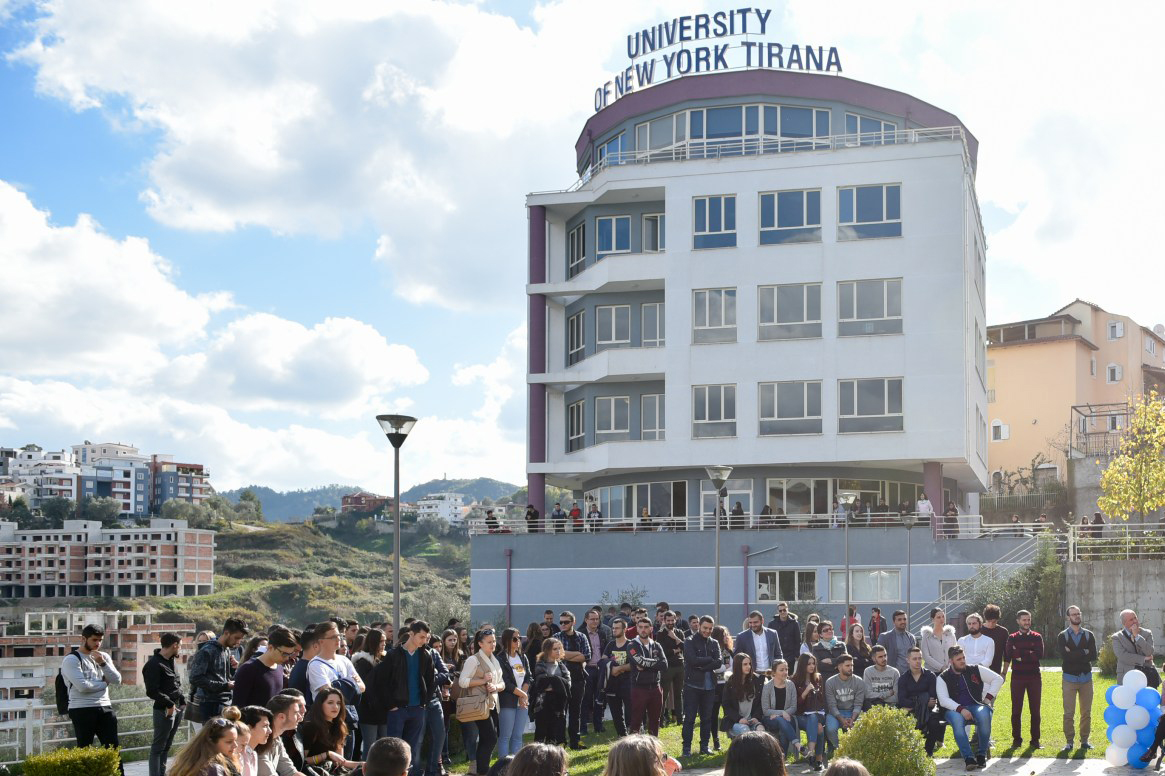
Turkey’s Entrance to International Education: The Case of Turkish Maarif Foundation
The Turkish Maarif Foundation (TMF) is the most recent state-led institution to promote Turkey’s cultural diplomacy and soft power. This commentary...
Though if it was available here in Denmark, I'd definitely would want my child to study there

Last edited:


