• Forum restore complete (see latest announcement thread)

TR Navy Navy|News & Discussions

UkroTurk

Experienced member
Land Warfare Specialist
Professional
Messages
2,966
Reactions
61 5,300
Nation of residence
Turkey
Nation of origin
Turkey

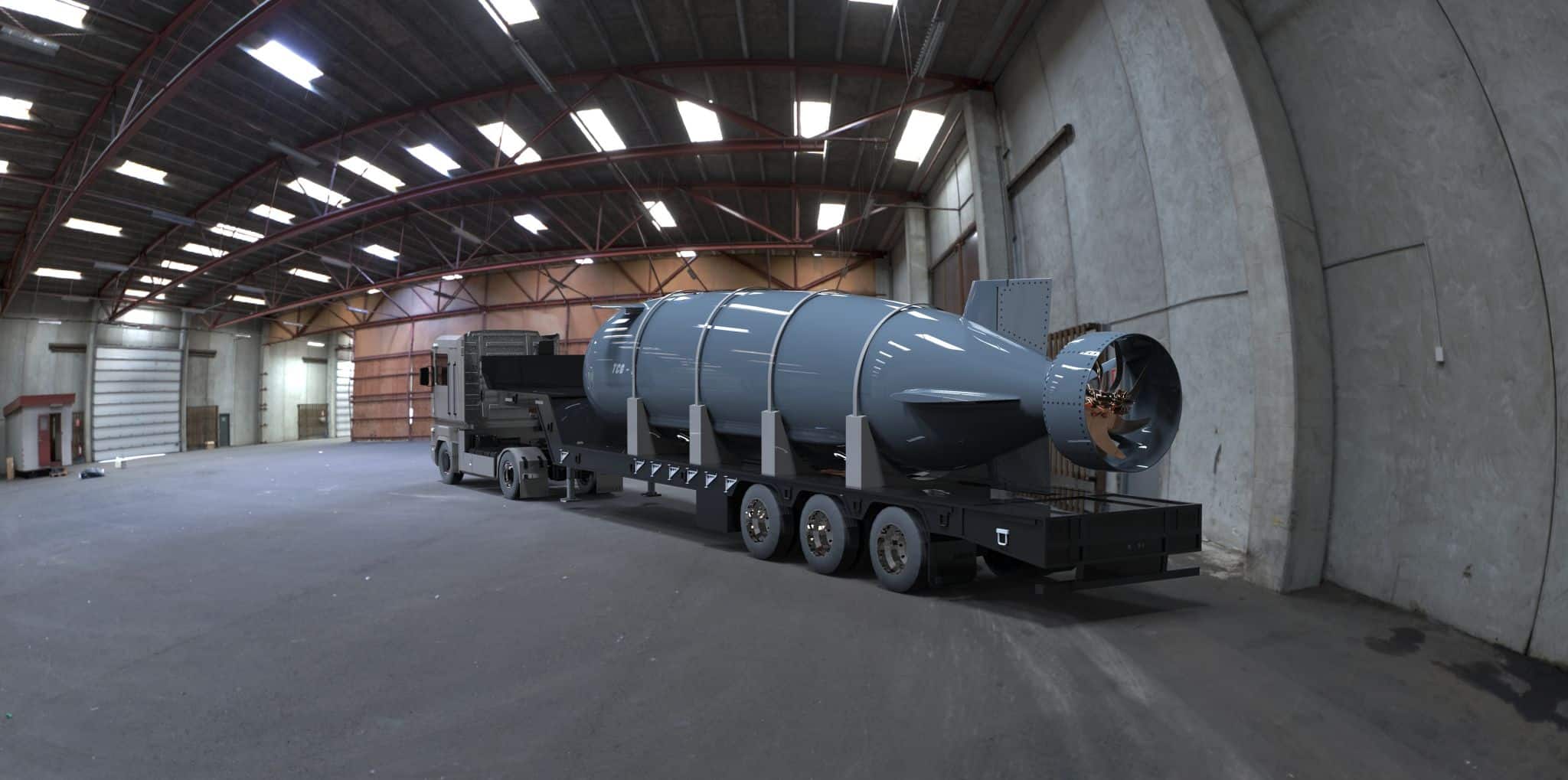
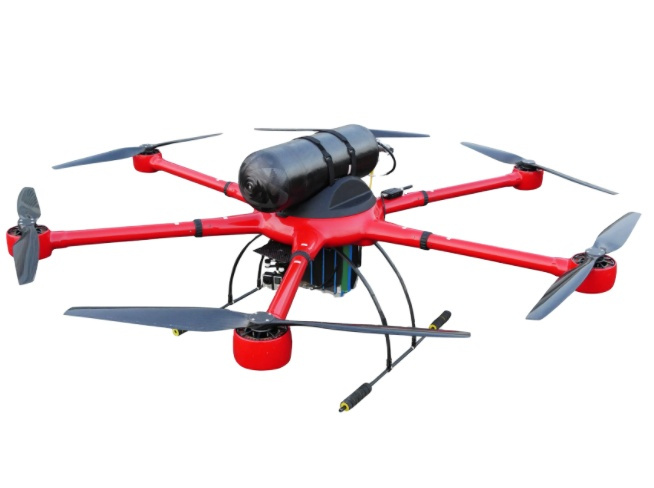
İf Houthis use hydrogen in their drones, the fuel cell technology has become totally cheap. So our future midget submarines will have fuel cell technology.

We might see hydrogen powered torpedos?
 
Last edited:

UkroTurk

Experienced member
Land Warfare Specialist
Professional
Messages
2,966
Reactions
61 5,300
Nation of residence
Turkey
Nation of origin
Turkey
I don't understand why there's battery where the submarine has fuel cell?? battery also occupies space and weights. Instead of batteries, they could add more hydrogen fuel??


My smart friend enlightened me:

Elbette! Aşağıda verdiğin bilgiyi İngilizce olarak, teknik bir forumda paylaşmaya uygun şekilde düzenlenmiş haliyle bulabilirsin:


---

Why Do AIP Submarines Still Use Batteries Alongside Fuel Cells?

I've been studying Air-Independent Propulsion (AIP) systems, especially fuel-cell-based ones, and one thing puzzled me: If fuel cells can generate electricity using hydrogen, why do submarines still carry large batteries? Wouldn't it be better to use that space for more hydrogen fuel instead?

Here’s what I’ve learned:


---

🔋 1. Batteries Handle Peak Power Demands

Fuel cells produce electricity at a constant and relatively moderate rate. However, submarines often require sudden bursts of high power, such as:

Rapid acceleration or evasive maneuvers

Torpedo launches or activating high-energy systems

Emergency surfacing procedures


Fuel cells can't instantly deliver such high loads — they respond slowly and are designed for endurance, not peak output. That’s where batteries come in. They act as a buffer, delivering large amounts of power in a short time.


---

🤫 2. Silence and Stealth

Silence is vital for submarines. Fuel cells are already very quiet, but batteries are even quieter — they have no moving parts and produce zero noise during discharge. This makes them ideal when absolute stealth is required, such as near enemy sonar arrays or in contested waters.


---

🛢️ 3. Hydrogen Storage Limitations

Hydrogen is difficult and risky to store in large quantities:

It’s extremely flammable

Requires high-pressure tanks or cryogenic storage

Takes up valuable internal volume


So, simply "adding more hydrogen" isn't a practical solution. Submarine space is already at a premium, and increasing hydrogen storage introduces safety and design challenges.


---

🔁 4. Operational Flexibility

Batteries can be charged and discharged quickly, and they respond instantly to changes in power demand. Even during normal operations, excess electricity from the fuel cells often goes into charging the batteries, so they work together as a hybrid system — much like hybrid electric vehicles.


---

✅ Conclusion:

AIP submarines use both systems for complementary reasons:

Fuel cells provide efficient, silent endurance

Batteries handle short-term, high-power needs and critical stealth scenarios


This hybrid setup gives modern submarines the flexibility and survivability they need in complex underwater environments.
 
Last edited:

UkroTurk

Experienced member
Land Warfare Specialist
Professional
Messages
2,966
Reactions
61 5,300
Nation of residence
Turkey
Nation of origin
Turkey
Then next question ⁉️


---

🚀 Can Lithium-Ion Batteries Replace Hydrogen Fuel Cells in Submarines?

Short answer:
Not yet. Lithium-ion batteries offer significant advantages, but they cannot fully replace hydrogen fuel cells in terms of underwater endurance for now. Let’s break it down:


---

⚡ 1. Lithium-Ion Batteries: Big Leap Over Lead-Acid

Modern lithium-ion (Li-ion) batteries — like those used in Japan’s Taigei-class or Germany’s upgraded Type 212CD — are a major improvement over old-school lead-acid batteries:

Higher energy density (more energy in less space/weight)

Faster charging/discharging

Longer cycle life

Lower maintenance and thermal issues


This allows submarines to stay underwater longer than with traditional batteries — in some cases a few days at low speeds — and operate more stealthily due to silent running.


---

🛢️ 2. Fuel Cells Still Win in Endurance

Despite all that, fuel cells still provide longer underwater endurance because:

They generate electricity continuously as long as hydrogen and oxygen are available.

They can keep the sub submerged for 2 to 3 weeks without needing to snorkel or surface.


Lithium-ion batteries are storage devices, not generators. Once they’re drained, you must surface or snorkel to recharge them — which compromises stealth and survivability.


---

🔁 3. Hybrid Future: Not Either-Or

Many future submarine designs combine both:

Fuel cells for long-duration silent patrol

Lithium-ion batteries for high-power bursts and rapid response


This hybrid system maximizes flexibility and mission adaptability.


---

✅ Summary:

Lithium-ion batteries are superior to traditional batteries and enable longer submerged operation.

But they don’t match the underwater endurance of hydrogen fuel cell AIP systems — especially for extended patrols.

The future likely lies in hybrid architectures combining both.


-
 

BalkanTurk90

Contributor
Messages
921
Reactions
5 1,355
Nation of residence
Albania
Nation of origin
Turkey
GwdZqwBXQAEyEcn.jpeg

(Almost corvette size 😍)
- National Fast Attack Boat Technical Specifications
Length: 68.00 m
Maximum Beam: 9.3 m Displacement: 700 tons
Maximum Speed: 39+ knots Transport Speed: 20 knots
Cruise Range: Minimum 800 Nautical Miles
Accommodation for 36 personnel
 

zio

Contributor
Messages
531
Reactions
11 801
Nation of residence
Turkey
Nation of origin
Turkey
3 door open forward to main gun area,I never seen before,and do not understand the purpose for,even milgem have two.
 

TheInsider

Experienced member
Professional
Messages
4,894
Solutions
1
Reactions
51 17,040
Nation of residence
Turkey
Nation of origin
Turkey
View attachment 76572
(Almost corvette size 😍)
- National Fast Attack Boat Technical Specifications
Length: 68.00 m
Maximum Beam: 9.3 m Displacement: 700 tons
Maximum Speed: 39+ knots Transport Speed: 20 knots
Cruise Range: Minimum 800 Nautical Miles
Accommodation for 36 personnel
This is not a FAC (Fast Attack Craft). This is a light corvette or we can call it a heavy gunboat, to bring back gunboat legacy.
IMHO, Navy still needs a true FAC design to complement this, optimized for speed and firepower instead of endurance and tonnage. It can be either manned or unmanned. Speed around 55 knots 8x SSM+smaller tactical missiles, 35mm CIWS at the front, RAM at the back. 400-450 tonnes displacement.
 

Pokemonte13

Contributor
Messages
1,174
Reactions
11 2,141
Nation of residence
Germany
Nation of origin
Turkey
So let me get this straight navy is getting in the next 10 years or so 7 new frigates min. 4 destroyers an aircraft carrier another larger LHD 6-10 Hissar Opv ,10 Fac plus 7 new submarines(5 Reis + 2 Milden) or did i miss something
 

TheInsider

Experienced member
Professional
Messages
4,894
Solutions
1
Reactions
51 17,040
Nation of residence
Turkey
Nation of origin
Turkey
So let me get this straight navy is getting in the next 10 years or so 7 new frigates min. 4 destroyers an aircraft carrier another larger LHD 6-10 Hissar Opv ,10 Fac plus 7 new submarines(5 Reis + 2 Milden) or did i miss something
Pretty much sums it up and probably a lot of USV and UUV.
 

Aqerdf

Active member
Messages
113
Reactions
5 270
Nation of residence
Turkey
Nation of origin
Turkey
So let me get this straight navy is getting in the next 10 years or so 7 new frigates min. 4 destroyers an aircraft carrier another larger LHD 6-10 Hissar Opv ,10 Fac plus 7 new submarines(5 Reis + 2 Milden) or did i miss something

Kinda but in return for retiring 8 Gabya and 4 Yavuz frigates, 6 Burak corvettes, 4 Ay class submarines, more or less half of our FAC fleet (other than Kılıç I-II FACs) and Osmangazi LST. In 2030s some Preveze subs could be goner too.

Nevertheless still impressive, but it could be more. :devilish:
 
Last edited:

BalkanTurk90

Contributor
Messages
921
Reactions
5 1,355
Nation of residence
Albania
Nation of origin
Turkey
Kinda but in return for retiring 8 Gabya and 4 Yavuz frigates, 6 Burak corvettes, 4 Ay class submarines, more or less half of our FAC fleet (other than Kılıç I-II FACs) and Osmangazi LST. In 2030s some Preveze subs could be goner too.

Nevertheless still impressive, but it could be more. :devilish:
4 Gabya i dont think will retire until 2035 since are modernised and have aslo vls . Others like u said will all gone
 

Sanchez

Experienced member
Moderator
Think Tank Analyst
DefenceHub Diplomat
Messages
4,189
Reactions
127 19,044
Nation of residence
Turkey
Nation of origin
Turkey
So let me get this straight navy is getting in the next 10 years or so 7 new frigates min. 4 destroyers an aircraft carrier another larger LHD 6-10 Hissar Opv ,10 Fac plus 7 new submarines(5 Reis + 2 Milden) or did i miss something
Next 20 maybe.
 

Pokemonte13

Contributor
Messages
1,174
Reactions
11 2,141
Nation of residence
Germany
Nation of origin
Turkey
Next 20 maybe.
Why 20? All istifs will be delivered by 2029 or so same with reis class The first TF2000 is going to be in service around 2030/31 the others will follow in private shipyards most likely. The first milden will de deliver in the 2030/35 maybe just one and the aircraft carrier will be definitely be atleast in sea trials by 35 only the second lhd is a question
 

Sanchez

Experienced member
Moderator
Think Tank Analyst
DefenceHub Diplomat
Messages
4,189
Reactions
127 19,044
Nation of residence
Turkey
Nation of origin
Turkey
The first TF2000 is going to be in service around 2030/31 the others will follow in private shipyards most likely.
Unlikely for both.

TF2000 is a decade away for FOC. Wish they had gone for an in between design, using the new Cenk-350.
 
Top Bottom