
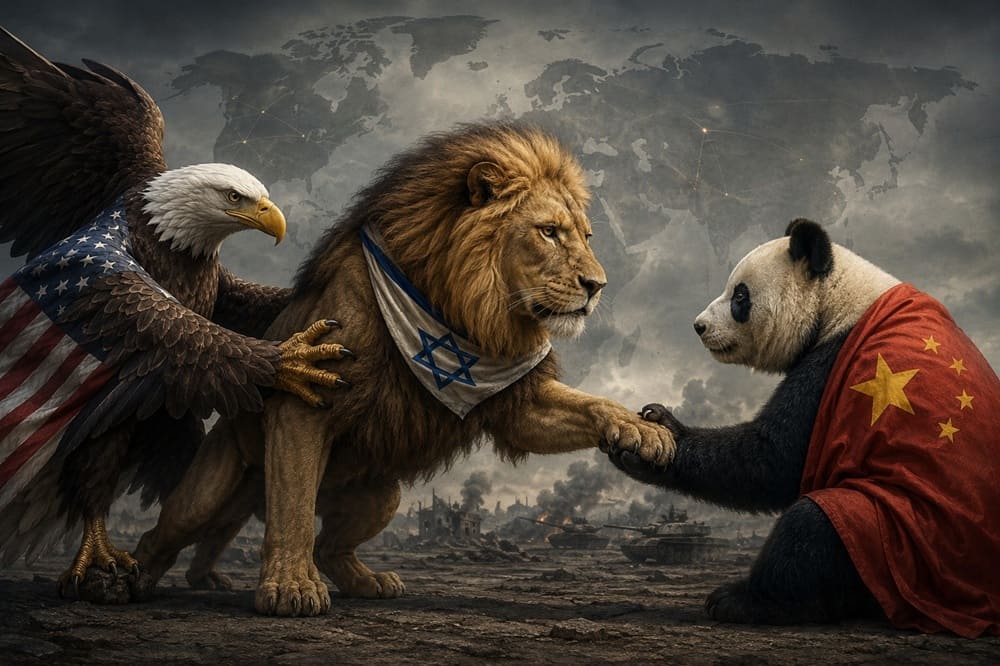
China’s Israeli Military Technology Pipeline

Sattifarhan

Member
Messages
14
Reactions
4 26
Nation of residence
Pakistan
Nation of origin
Pakistan
China’s Israeli Military Technology Pipeline


The Israeli military technology pipeline to China became one of the most sensitive defense stories of the late Cold War and post-Cold War era. Its scope included programmes for fighter aircraft design, air-to-air missiles, loitering munitions, airborne radar, electro-optics, navigation systems and armored vehicles. But analysts need to distinguish between confirmed transfers and those that are in dispute. The Python-3 missile, Harpy UAV and Phalcon radar disputes have better open-source support. The Lavi-to-J-10 story remains influential but still contentious.

Secret Defense Contacts​

Israel and China had quiet defense contacts before formalizing diplomatic relations in 1992. Beijing sought to gain access to Western-standard military technology without direct reliance on NATO suppliers. Israel had significant experience in upgrading Soviet-origin equipment, captured systems and compact high-end electronics. This made Israeli companies attractive to a Chinese military still modernizing Soviet-made aircraft, tanks and missile systems.

The magnitude of the relationship worried Washington. In 1993, CIA director James Woolsey told U.S. lawmakers that China had been buying sophisticated military technology from Israel for more than a decade. He tied the co-operation to Chinese programmes for jet fighters, air-to-air missiles and tanks. Estimates also put the trade at “maybe several billion dollars”, although Israeli Prime Minister Yitzhak Rabin dismissed that figure as exaggerated.
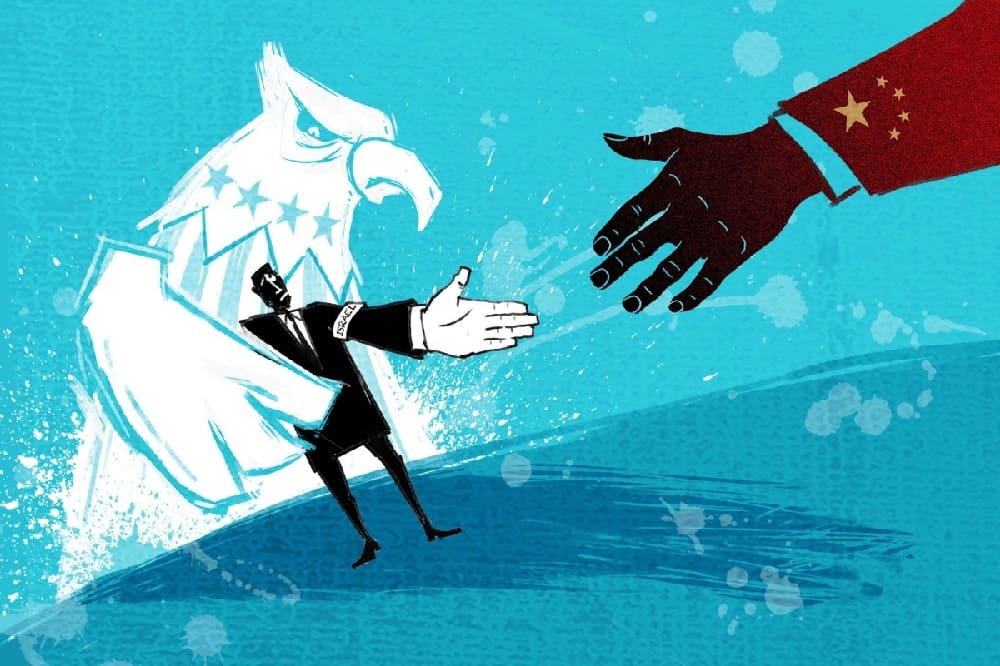
China’s Israeli Military Technology Pipeline

Lavi and J-10 Controversy​

The best known and most controversial case remains the Lavi fighter. Israel cancelled the US-funded Lavi program in 1987. Then there was China’s Chengdu J-10 programme, which adopted a canard-delta configuration that externally resembled the Lavi. Israel contractors helped China with aerodynamic and structural concepts, several analysts and U.S. officials said. Israel and China denied they had turned over any blueprints.
The J-10 was not a technical replica of the Lavi. It was bigger and heavier and had a Russian AL-31F engine, while the Lavi was powered by the Pratt & Whitney PW1120. However, even modest design data could have helped China understand key fighter technologies. These included canard-delta aerodynamics, relaxed stability, fly-by-wire controls, cockpit layout, and Western-style weapons integration. So the cleanest assessment is obvious. Israeli influence is still plausible, but there is no proof of full Lavi plans directly transferred.
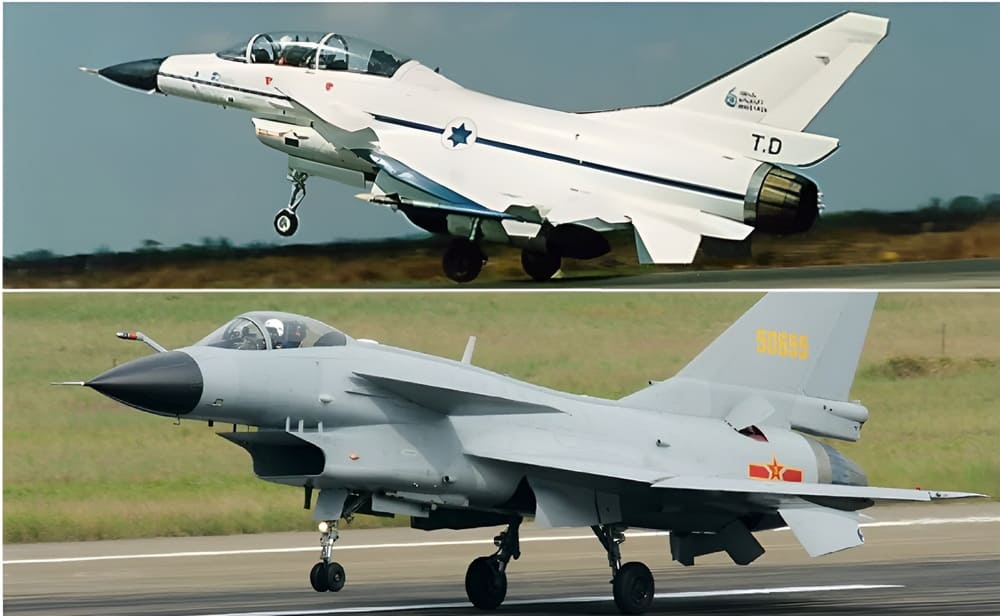
Israel's Secret LAVI Tech Behind China's J-10 Fighter
Israel’s Secret LAVI Tech Behind China’s J-10 Fighter

MiG Upgrade Know-How​

Israeli companies were also reported to be involved in upgrading China’s older MiG-derived fighters, in particular aircraft in the J-7/J-8 family, beyond the Lavi/J-10 controversy. Among the reported Israeli-linked areas, Shichor lists “upgrading China’s obsolete MiG-derived fighters”. Such upgrades might have mattered for more than just one aircraft design, though, as China had many older fighters that needed avionics modernisation. For more scholarly articles like these, please visit Defense News Today.

Python 3 and PL-8​

The transfer of Python-3 is far more robust. In 1989, Israel licensed the Python-3 short-range air-to-air missile to China. It was then developed by Xi’an Aircraft Corporation into the PL-8 in China. It gave the PLA Air Force a modern IR missile able to attack targets from any aspect and compatible with helmet-mounted sights.

The PL-8 was significant for China, helping it catch up with the West in close-combat missile technology. The transfer provided knowledge in seekers, cooling, fuzing, propulsion, and missile-aircraft integration. U.S. concerns also revolved around whether Israel’s missile work used American-derived Sidewinder-related knowledge, although that claim is disputed.
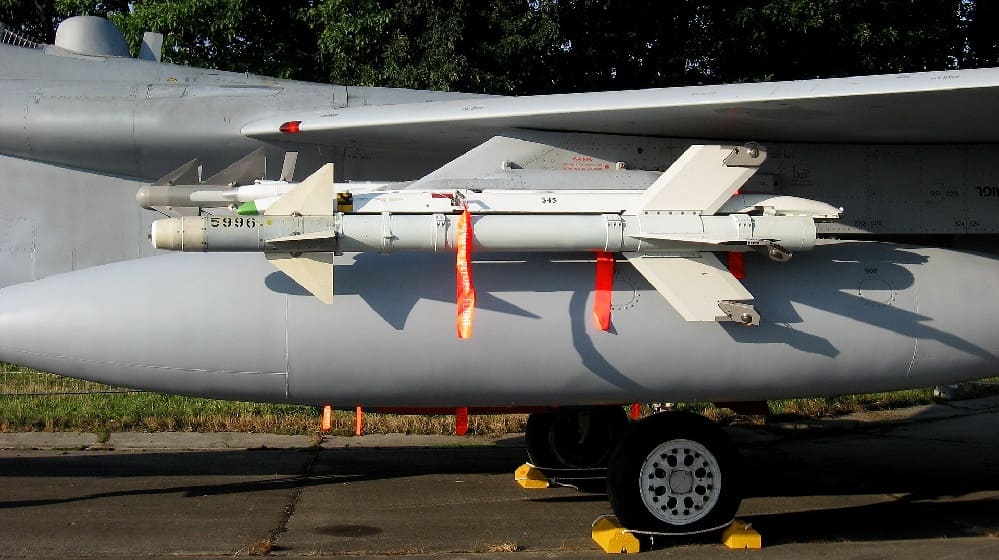
Python 3 and PL-8
Python 3 and PL-8

PL-8H and PL-9 missile derivatives​

As we already covered Python-3 and PL-8, but the point is that open-source work ties Israeli help not just to the PL-8 air-to-air missile but also to PL-8H surface-to-air/ship-to-air derivatives and the PL-9 air-to-air missile. Shichor mentions reports that China developed PL-8H and PL-9 variants after the 1989-1990 Python-3 technology-transfer agreements.

So the wider transfer was not limited to just one air-to-air missile. It contributed to the development of a missile family in China and provided experience to the Chinese industry in seekers, cooling, fuzing, launch rails, integration on aircraft, and derivative development.

Radar, avionics and inertial navigation​

Israeli assistance reportedly also included shaping missiles and aircraft. Open-source reporting has linked Israeli technology to the E/LM-2035 Doppler radar and the Tamam inertial navigation system. E/LM-2035 derivatives have been linked to upgrades for Chinese J-8 and J-10 fighters.

Tamam INS technology would have supported navigation, weapons accuracy and operations in GPS-denied environments. In this case, the value may have been greater than that of any single platform. Radar, avionics, and navigation improve older aircraft’s situational awareness and weapons accuracy. They also support a military transition from basic flying platforms to networked combat systems.

Type 59 Tank Upgrades​

This is one of the most powerful “under-discussed” cases. A declassified CIA memo from 1986 says Israeli defense technicians were working in China to help produce an improved main battle tank. The tank featured Israel’s version of the British-designed 105mm gun, an advanced fire-control system, and associated upgrade kits for Chinese Type 59/Type 69 armor.

The same memo says that by then more than 250 improved tanks had already rolled off production lines. The Washington Post also reported in 1988 that the first Israeli-Chinese arms co-production was a modernized Chinese T59 tank with an Israeli 105mm cannon, which was first shown in 1984. It also reported that Israel assisted with reactive armor and tank modernization.
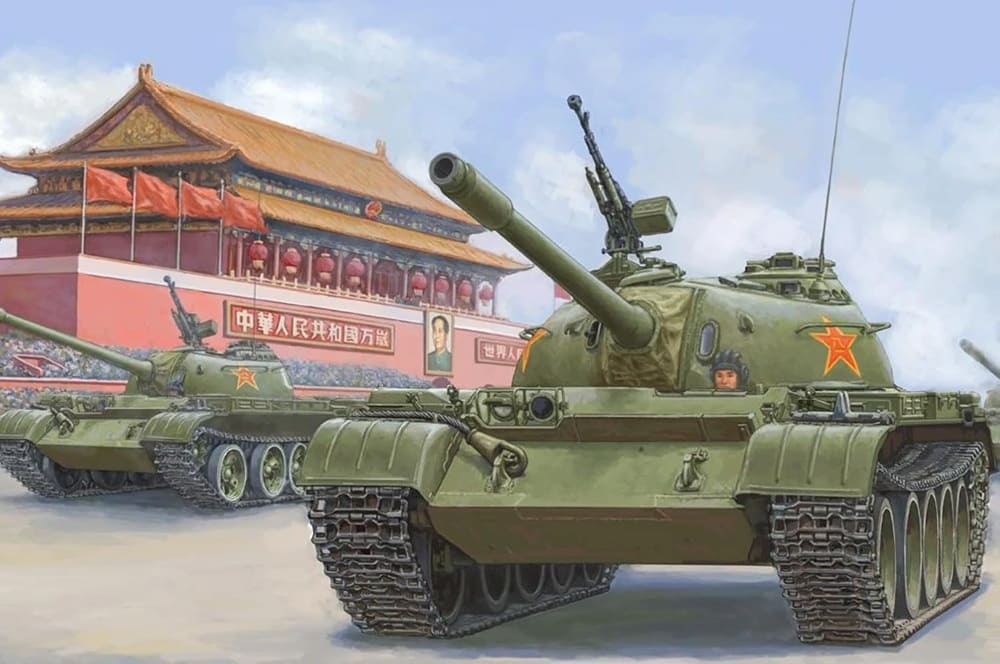
Type 59 Tank
Type 59 Tank

Thermal Sights and Fire-Control​

Meanwhile, another important branch is tank thermal sights and day/night fire-control systems. Shichor specifically lists day/night thermal-imaging tank sights among the controversial transfer allegations, while the CIA memo on Chinese tank upgrades supports the wider claim that Israel helped China upgrade its armor fire-control technology. In battlefield terms, the outcome was decisive. Old Chinese tanks could shoot, but they lacked Western-quality detection, ranging, stabilization and night-fighting performance.

Battlefield Electronics​

An entry by Yitzhak Shichor in Springer’s 2022 says Israel sold China weapons and technologies in the 1980s, including tanks, missiles, mortars, electronic equipment and other systems. Israeli experts also worked on Chinese tactical missiles, aircraft and artillery, The Washington Post reported.
However, open sources seldom specify the precise model of artillery. There is no confirmed list of named systems. For an article, refer to it as battlefield electronics, mortar/artillery support technology, and weapons-modernization expertise.

MAPATS Anti-Tank Missile​

Another serious candidate is the Israeli MAPATS / Mapatz anti-tank guided missile. Yitzhak Shichor’s work mentions reports of Chinese anti-tank guided missiles based on the Israeli Mapatz but also explains that the controversy was a mixture of fact and speculation.
Shichor adds that the sale of U.S. components in the Mapatz was said to have been approved and sought permission. The cleanest assessment: Israel almost certainly gave China anti-tank missile know-how or systems, but claims that particular Chinese missiles like the HJ-9 were directly copied from MAPATS remain weaker.
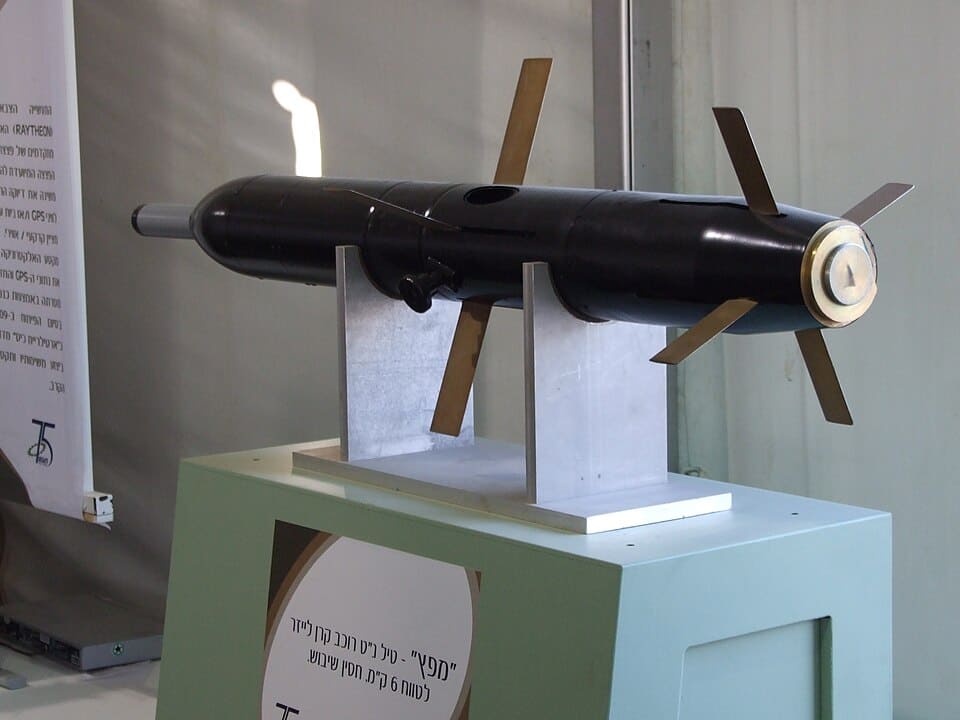
MAPATS Anti-Tank Missile

Harpy UAV and SEAD capability​

The Harpy loitering munition provided China with anti-radar strike capability. China reportedly bought about 100 Harpy UAVs from Israel for around $55–70 million by 1999. The Harpy could detect radar emissions and attack surface-to-air missile radars, which were useful for suppressing enemy air defense.
The second crisis was about upgrades, not the original sale. In 2004-2005, Washington required Israel to cancel a planned upgrade to China’s Harpy inventory. U.S. officials feared that improved Harpy drones could threaten air defense in Taiwan and U.S. forces in conflict in the Taiwan Strait.

Phalcon AEW radar dispute​

The Phalcon airborne early-warning deal was the clearest case of U.S. intervention. Under the 1996 deal, Israel was to equip four Russian-made Il-76 aircraft with Phalcon radar systems at a price tag of some $250 million per plane. Washington worried the system would improve China’s long-range tracking, battle management and air defense coordination around Taiwan.
Israel cancelled the deal in 2000 under U.S. pressure. For China, Phalcon would have been about more than radar hardware it was gold mine of technology. It would have provided airborne command-and-control experience, sensor fusion and long-range targeting capability.
Phalcon AEW
Phalcon AEW

Electro-optics and Ricor cryo-coolers​

The Ricor case illustrated how small parts can have strategic impact. A miniature Ricor refrigeration system had reached China, reports said, angering Washington and prompting the resignation of an Israeli defense export official. Ricor manufactures miniature cryo-coolers for military, homeland security, space and commercial systems’ infrared detectors.
Why are cryo-coolers important? Cooled infrared detectors improve missile seekers, missile warning systems, UAV sensors, airborne vision systems, thermal sights, and hand-held imagers. In terms of combat, they enhance the ability to detect targets, operate at night and engage with precision.
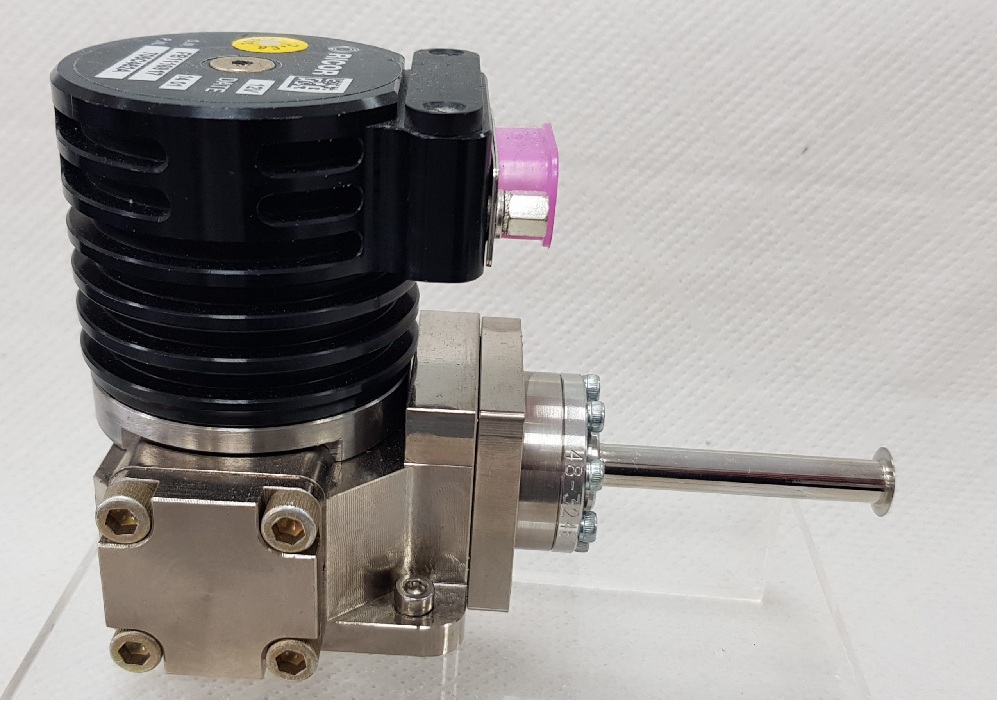
Ricor cryo-coolers
Ricor cryo-coolers

Missile Guidance Technology​

This field is a deeper, more sensitive area. NTI cites a 1988 report in the Sunday Times that Israel and China had made a secret arms deal under which Israel would provide advanced trajectory-corrected missiles, but Yitzhak Rabin denied the deal. Shichor also notes unconfirmed reports of Israeli involvement in the redesign of missile technologies for China’s DF-3/CSS-2 and DF-15/M-9 missile programs. These claims should be considered as reported, not proven. Still, it fits a wider pattern: China wanted Western-style guidance, fuzing, miniaturized electronics and accuracy improvements for missiles that had Soviet-era roots.

Gabriel-Style Anti-Ship Missiles​

The missile is important but not as clean as Python-3 or Harpy. The Washington Post reported “strong evidence” that China and Israel had created a Chinese version of the Israeli Gabriel sea-launched missile. NTI’s China missile chronology also mentions that in 1984 Western analysts observed Chinese equipment similar to Israeli systems, including a sea-launched cruise missile similar to Gabriel. The measured piece would state that Israeli Gabriel anti-ship missile concepts may have influenced Chinese naval missile development, but the precise Chinese programme and the extent of the transfer remain contested.
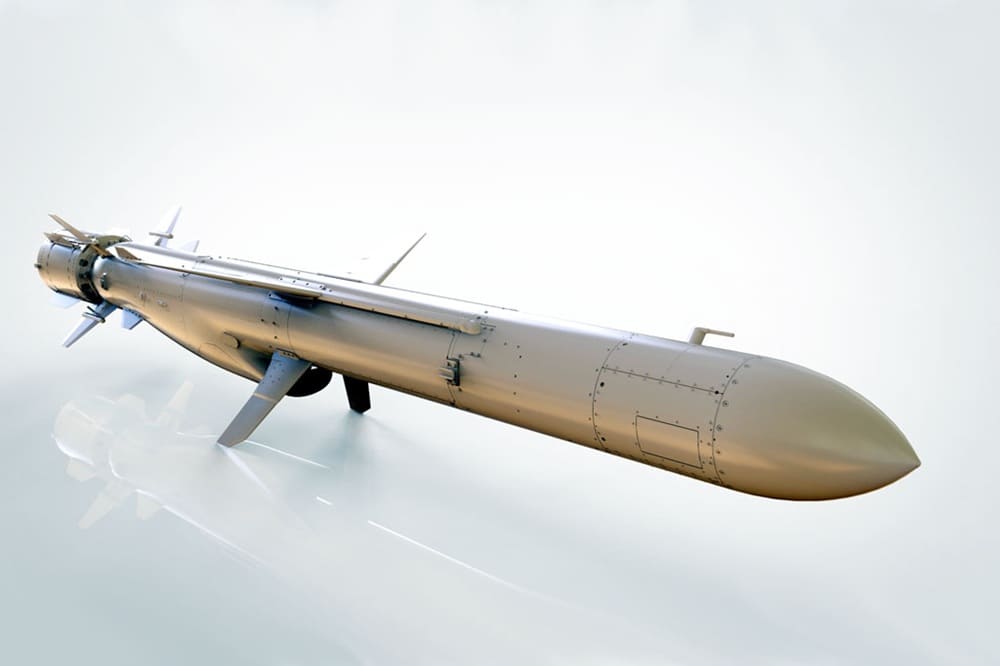
Gabriel Antiship Missile

Thinly Sourced Technology Claims​

Some secondary academic and policy sources identify additional alleged transfers, including refueling technology, submarine sonar technology and spyware. These claims are in broader lists, but the open-source trail is weaker than for tanks, Python-3, Harpy or Phalcon.

Illicit Cruise-Missile Exports​

This effort was not a formal state-to-state programme like the 1980s deals. However, it shows links between Chinese and Israeli-origin military technology persisted. In 2021, Israeli prosecutors charged 10 people and three companies with the illegal export of cruise missiles to China without approval.
The Times of Israel reported that the suspects secretly produced and exported dozens of cruise missiles. The Jerusalem Post reported similar details, claiming the missiles were passed on to China in a secretive fashion, although it also noted they were not ultimately used by the Chinese military.
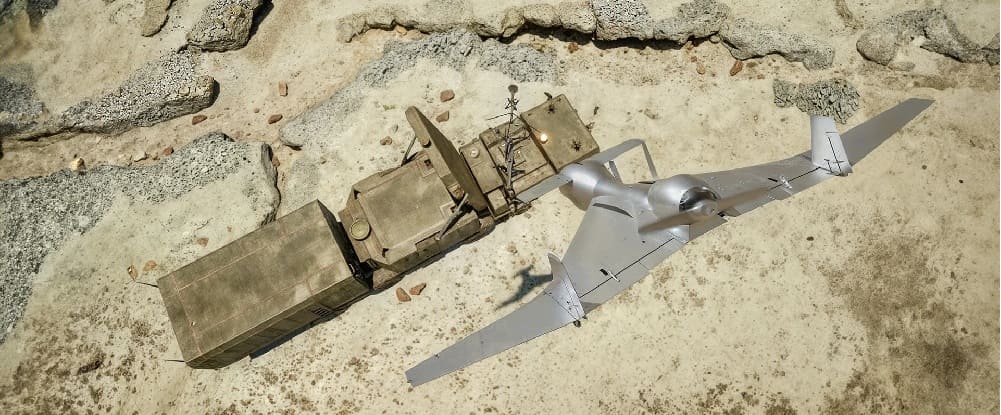
Harpy loitering munition

Final Defense Assessment

China received more than isolated weapons from Israel. It gained access to a defense ecosystem, including missile seekers, UAV concepts, radar architecture, inertial navigation, electro-optics, avionics, and integration methods. These technologies aided China in moving away from Soviet-era limitations to Western-style digital warfare. The political outcome was equally significant. The Phalcon and Harpy crises compelled Israel to tighten export controls and to accept more U.S. supervision.

After 2005, Israel circumscribed its military-technology sales to China much more. But by then China had already learnt valuable lessons from a previous period of quiet defense cooperation. Israel did not just sell isolated weapons to China. It helped China to absorb Western-style integration methods over Soviet-origin platforms. That included sensors, fire control, seekers, missile guidance, night fighting, armor upgrades and battlefield electronics.

References​

  1. Arms Control Association — Israel Halts Chinese Phalcon Deal
    Useful for the cancelled Phalcon AEW radar deal and U.S. pressure on Israel.
    https://www.armscontrol.org/act/2000-09/press-releases/israel-halts-chinese-phalcon-deal
  2. The New York Times — Israel Selling China Military Technology, CIA Chief Asserts
    https://www.nytimes.com/1993/10/12/...na-military-technology-cia-chief-asserts.html
  3. Tablet Magazine — Killing the Lavi
    Useful for the Lavi fighter programme and its political background.
    https://www.tabletmag.com/sections/israel-middle-east/articles/killing-the-lavi
  4. INSS — Israel-China Relations and Strategic Concerns
    https://www.inss.org.il/publication/shichor/
  5. ResearchGate — Israel’s Military Transfers to China and Taiwan
    https://www.researchgate.net/publication/233197238_Israel's_Military_Transfers_to_China_and_Taiwan
  6. CIA Reading Room — Declassified Material
    Useful for archival intelligence-related references.
    https://www.cia.gov/readingroom/
  7. The Washington Post — Israelis Aided China on Missiles
    Useful for missile-technology cooperation claims.
    https://www.washingtonpost.com/arch...issiles/ac476260-1cc5-4879-9de3-b3993dfec57b/
  8. The New York Times — Secret Chinese-Israeli Arms Deal Reported
    https://www.nytimes.com/1988/04/04/world/secret-chinese-israeli-arms-deal-reported.html
  9. NTI — China Missile Chronology / Missile Developments
    https://media.nti.org/pdfs/china_missile.pdf
  10. Al Jazeera — Israel Said to Scrap China Arms Deal
    Useful for the 2005 China-Israel arms dispute.
    https://www.aljazeera.com/news/2005/6/26/israel-said-to-scrap-china-arms-deal
  11. Times of Israel — Israelis Set to Be Indicted for Illegally Exporting Missiles to China
    https://www.timesofisrael.com/10-is...ed-for-illegally-exporting-missiles-to-china/
  12. WeaponSystems.net — Python 3 Missile
    Useful for technical background on the Python-3 / PL-8 connection.
    https://weaponsystems.net/system/1194-Python+3
  13. Springer Reference — China-Israel Relations / Strategic Context
    https://link.springer.com/rwe/10.1007/978-981-16-2717-0_67-1
  14. Noema Magazine — How China Avoided Soviet-Style Collapse
    Useful for broader Chinese strategic and political context.
    https://www.noemamag.com/how-china-avoided-soviet-style-collapse/
  15. Defense News Today — How Israel’s Secret Tech Powered China’s J-10 Fighter Jet
    https://defensenewstoday.info/how-israels-secret-tech-powered-chinas-j-10-fighter-jet/
  16. Defense News Today — China's Israeli Military Technology Pipeline
    https://defensenewstoday.info/chinas-israeli-military-technology-pipeline/
 

Passenger

Well-known member
Moderator
China Moderator
Messages
415
Reactions
12 772
Nation of residence
China
Nation of origin
China
There used to be technical transfer from Isreal to China, and that was apporved by US in 1970s and cut off by US in 2000s.
For this article, it exaggerates the scope of military-technical cooperation between China and Israel. As far as I know, it was mainly concentrated in the areas of detection, guidance, and aviation.
On the other hand, at that time, there was also considerable technological exchange between the United States and China. Incidentally, in the early days(during the War of Resistance Against Japan) of the CCP(Chinese Communist Party) , it even received training from US intelligence personnel and also obtained wireless station.
 

mehmed beg

Contributor
Messages
613
Reactions
3 723
Nation of residence
United Kingdom
Nation of origin
Bosnia & Herzegovina
I believe that few months ago I read , I think on Savunmasanayist web page that Israel helped China with certain elements of PL 15 missiles.
Not surprising, considering that many " Chinese" leaders , officers and businessman come from one very particular tribe, Hakka.
Even proper Chinese are unsure if them , some say that those people are Korean origin, some of Han .
 

Passenger

Well-known member
Moderator
China Moderator
Messages
415
Reactions
12 772
Nation of residence
China
Nation of origin
China
I believe that few months ago I read , I think on Savunmasanayist web page that Israel helped China with certain elements of PL 15 missiles.
Not surprising, considering that many " Chinese" leaders , officers and businessman come from one very particular tribe, Hakka.
Even proper Chinese are unsure if them , some say that those people are Korean origin, some of Han .
No, the military coorpeartion between China and Israel has been cut off many years before.
 
Last edited:

Passenger

Well-known member
Moderator
China Moderator
Messages
415
Reactions
12 772
Nation of residence
China
Nation of origin
China

How China Soured on Israel​


It wasn’t so long ago that Israeli Prime Minister Benjamin Netanyahu called his country’s relationship with China “a marriage made in heaven.” And when Biden told reporters in March 2023 that he was not inviting Netanyahu to Washington given his plans to undermine Israel’s independent judiciary, Netanyahu announced a trip to visit President Xi Jinping in China instead.

For Israel, the trip was a reminder to Washington that there are other superpowers looking to deepen their ties with Israel. For China, it was an opportunity to raise the costs of the U.S.’ pivot away from the Middle East to Asia by signaling that Beijing could fill some of the void. Netanyahu’s ploy may have worked. Biden reneged in September and invited him to the White House.

That dynamic was upended in the wake of the Oct. 7 Hamas attack. During the current moment of strain in the Bibi-Biden relationship, Sino-Israeli ties will not be a viable pressure tool for Netanyahu because China has other plans. Beijing has distanced itself from Israel amid marked international criticism of its bombardment of Gaza—a move that is playing well around much of the world and serves as a counterpoint to Washington’s diplomatic and military support of Israel.

This approach has also supported China’s longer running goal of challenging its own reputation as a largely commercial player and the U.S.’ reputation as the Middle East’s diplomatic heavyweight. Since China successfully facilitated the restoration of ties between Iran and Saudi Arabia last spring, it has sought out further opportunities to position itself as an alternative to the U.S.-led international order. Throughout the Israel-Hamas war, Beijing has attempted to flex its diplomatic muscle, including publishing a peace plan, hosting reconciliation talks between the Palestinian Authority and Hamas, and holding summits with Arab and Muslim foreign ministers aimed at ending the fighting. None of these efforts have borne fruit but they are playing well in Arab and Global South capitals.

To exploit the growing wedge between the U.S. and key global actors, China has explicitly articulated its support for the Palestinian cause in international fora. After the U.S. vetoed a December U.N. Security Council resolution calling for an immediate ceasefire, China’s foreign ministry spokeswoman stated, “We regret and are disappointed at the U.S. veto … Close to 100 countries, including China, co-sponsored the draft resolution tabled by the UAE representing Arab countries.” Deepening its relationship with the UAE—a major oil producer, emerging innovation hub, and key U.S. ally in the Middle East—could provide China with the same opportunity Israel once did: an exploitable entry point to potentially access sensitive American technologies.

Still, China’s approach to the Israel-Hamas war has sparked fierce Israeli backlash. About a third of Israeli Jews have reported a negative change in their perception of China since Oct. 7 and some private sector leaders have called for exacting financial consequences, such as temporarily prohibiting Chinese companies from operating in Israel’s ports. Israel’s government has communicated its “deep disappointment” to PRC officials and taken measures that have undermined relations, including sending a parliamentary delegation to Taiwan, where Chair Boaz Toporovsky took aim at nearby China in his public comments, saying Israel and Taiwan “have much in common as small but strong democracies in a harsh environment.”

All that said, other PRC geopolitical interests could ultimately drive Beijing back toward Tel Aviv. China’s desire to shore up ties with U.S.-friendly Gulf States has been a key driver of its Gaza policy. Yet China’s refusal to condemn Hamas and its labeling of Iran’s missile attack on Israel as “self defense” have exacerbated concerns in the UAE and Saudi Arabia that the U.S. is an irreplaceable partner. While China casts the U.S. as a warmonger to advocate for a Chinese-led world order that resolves conflicts without military force, many Gulf countries see Biden’s ironclad military backing of Israel as the U.S. support they have long desired. (Even as they have publicly criticized Israel’s conduct, reflecting popular opinion in these countries.) Beijing may not aim to fully supplant Washington in the region as the Gulf countries’ security guarantors, but it is still hoping to capitalize on this opportunity to strengthen its relationships with Abu Dhabi and Riyadh. To do so, it may adopt rhetoric more in line with theirs, and, in the process, Washington and Tel Aviv’s preferences.

China and Israel also have financial incentives to maintain a relationship. Israel’s war has shrunk its GDP and hurt its credit rating, creating obstacles for Israeli firms looking to raise funds. China is the world’s second largest economy and was Israel’s third largest trading partner the year before Oct. 7, making it essential to Israel’s economy. Meanwhile, Chinese investors are facing a lagging domestic economy and pursuing investment opportunities abroad. This dynamic could generate a mutual—albeit reluctant—desire to bolster commercial ties.

For Palestinians horrified with the U.S. and its largely unconditional support for Israel, China’s emerging interest in the conflict seems like a positive development. But China’s current pro-Palestinian stance may simply reflect that today, a public relationship with Israel is more of a liability than asset in the U.S.-China rivalry. If that changes, China’s position on Israel will likely follow suit. China’s support for Palestinians appears to be mostly superficial, and even its vague peace plan puts most of the onus on the U.N., not Beijing, giving it the future flexibility to pivot on this issue and leave the Palestinians once more without a great power.

Like Israelis, Palestinians may too soon discover that China is a fair-weather friend, and a relationship with it is not a marriage made in heaven.


That is an US article for China-Israel relationship, the other fact is Palestine established a diplomatic mission in China in 1965, while China and Israel did not establish diplomatic relations until 1992. For a long time in the past (before the dissolution of the Soviet Union), China firmly supported Palestine, and even after the establishment of diplomatic ties with Israel, China has always supported the two-state solution within the framework of the United Nations. Among the Chinese public, there is widespread support for Hamas, Hezbollah, the Houthis, and Iran, partly due to opposition to the United States and partly out of anti-aggression sentiment.

Regarding Israel, some people supported it out of aversion to Muslims and admiration for strength, while others are paid lobbyists (similar to the situation in the United States). Israel has also recruited a large number of Chinese laborers to work there. As China has extensive economic cooperation in the Middle East, the official side now usually avoids direct expression, but does not impose restrictions on spontaneous public support behaviors, such as donations or trade.


A recent key event that crossed the red line is Israel's military cooperation with the local government in Taiwan. On an official level, this undoubtedly symbolizes that Israel has become completely unreliable. Whether out of obligatory support for the United States or spontaneously, Chinese authorities can no longer trust Israel.
 

GoatsMilk

Experienced member
Messages
4,172
Reactions
29 11,138
Nation of residence
United Kingdom
Its an open secret that Isreal has been selling american tech to the chinese for decades now. Their relationship behind the scenes is no doubts exceptionally strong. Every few months you can find new reports showing new dealings. Obviously geopolitically it doesn't look too good for China to be seen as dealing in such a way with Isreal. But the relationship is strong.

Just like it came out that Russian dealing with Isreal was also strong while pretending to be an ally of Assad.

Its for good reason that the most powerful/propaganda network is in the hands of the zionists and they have literally nothing to say about the Uyghurs. Contrast that with how it talks about the Kurds who are not experiencing anything like what they Uygurs are experiencing.

Also keep in mind that if China cared about what was happening to the Palestinians they wouldn't have done and continue to do to Uyghurs. Its pretty obvious that the relationship while secretive is positive between the two. But the game will always show us things to mislead us, no different to how when Turkiye was helping Iran bypass her sactions, we heard politicians on both sides say hostile things to each other. So while openly they looked hostile, covertly the relationship was exceptionally close.

Logically Isreal is the tech trojan horse in the west that China can exploit and has exploited to maximum personal benefit. In terms of the zionists, their always happy to steal and make money off it. So i expect this tech/military relationship to continue.
 

Passenger

Well-known member
Moderator
China Moderator
Messages
415
Reactions
12 772
Nation of residence
China
Nation of origin
China
Its an open secret that Isreal has been selling american tech to the chinese for decades now. Their relationship behind the scenes is no doubts exceptionally strong. Every few months you can find new reports showing new dealings. Obviously geopolitically it doesn't look too good for China to be seen as dealing in such a way with Isreal. But the relationship is strong.

Just like it came out that Russian dealing with Isreal was also strong while pretending to be an ally of Assad.

Its for good reason that the most powerful/propaganda network is in the hands of the zionists and they have literally nothing to say about the Uyghurs. Contrast that with how it talks about the Kurds who are not experiencing anything like what they Uygurs are experiencing.

Also keep in mind that if China cared about what was happening to the Palestinians they wouldn't have done and continue to do to Uyghurs. Its pretty obvious that the relationship while secretive is positive between the two. But the game will always show us things to mislead us, no different to how when Turkiye was helping Iran bypass her sactions, we heard politicians on both sides say hostile things to each other. So while openly they looked hostile, covertly the relationship was exceptionally close.

Logically Isreal is the tech trojan horse in the west that China can exploit and has exploited to maximum personal benefit. In terms of the zionists, their always happy to steal and make money off it. So i expect this tech/military relationship to continue.
Come on, that is not make sense, you mean Israel sell tech to the country which buy Iran oil mostly, and keep support Taiwan even it is the worst things for China.😡
If China is so powerful that can ask Israel to steal tech from US, why I still need to work.
 

GoatsMilk

Experienced member
Messages
4,172
Reactions
29 11,138
Nation of residence
United Kingdom
Come on, that is not make sense, you mean Israel sell tech to the country which buy Iran oil mostly, and keep support Taiwan even it is the worst things for China.😡
If China is so powerful that can ask Israel to steal tech from US, why I still need to work.

Geopolitics is a dirty game. Turkiye has found herself on the opposite side to every regional war with Russia, yet we consume her energy by the bucket loads. Turkiye is also in NATO, but that doesnt stop the major NATO allies supporting a recognised terrorist organisation in the PKK against Turkiye. Despite the USA and Russia being rivals, when it came to Syria they united their moves against Turkiye. I could go on and on and on.

With all due respect Turks are not dummies. The chinese game is just as complicit and dirty as any other international actor. I suspect moving forward it will be worse then the american game.

One thing the chinese from my experience share with the zionists is that they deny everything no different to zionists. So for example when we see zionists executing children, they deny it. China has a similar approach to the Uyghurs. So when in that sense the Chinese know the Israelis best and vice versa.

Where China is maybe different is that the underlying occupation of the Uygur lands and their proceeding genocide is purely geopolitical. The common Chinese doesnt have a hatred of Muslims for example. While the genocide of the palestinians by zionism takes on a racial and religious hatred that is common among the jewish peoples. The crimes are still terrible on both sides, but the chinese side i would say doesnt come from such a demonic position.
 
Top Bottom