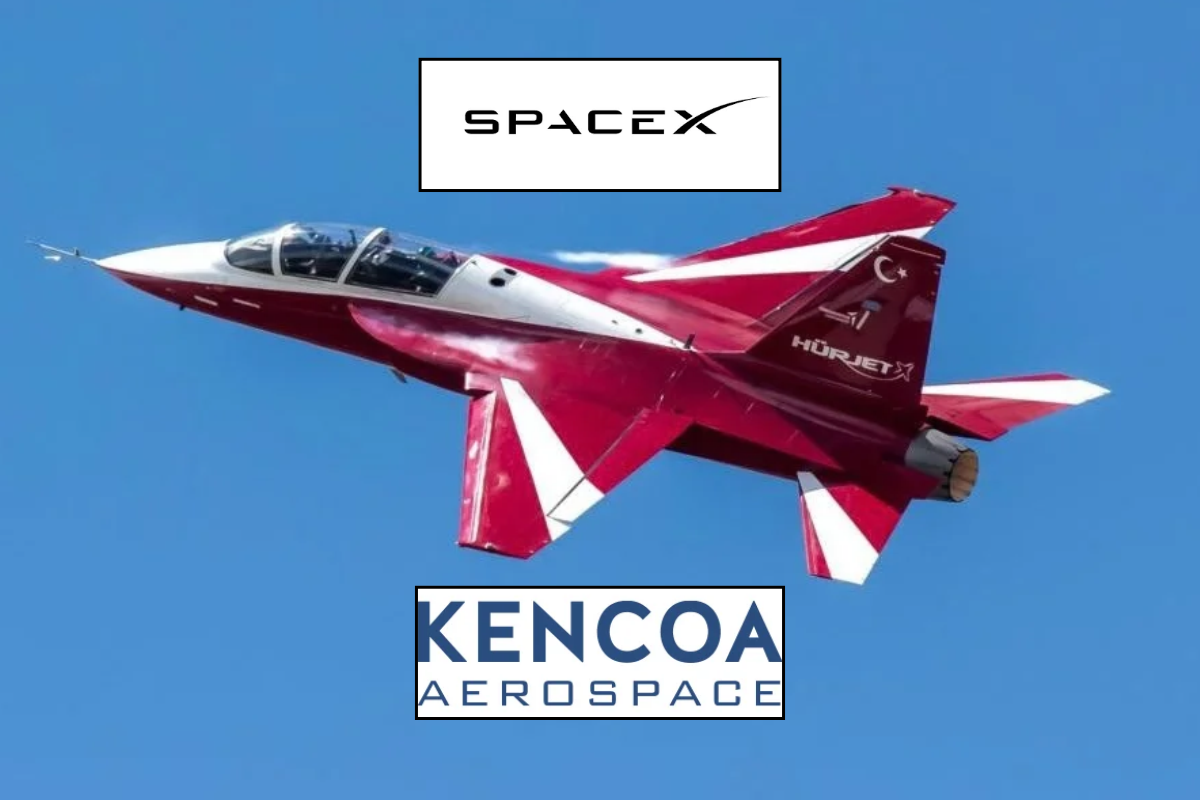
The F414 for the Naval Variant of HÜRJET
“We are a key partner in the HÜRJET Program”
Noting that developments regarding HÜRJET began with an agreement signed at Farnborough in 2020, Akdemir said, “Subsequently, we concluded agreements with both TEI and TUSAŞ—again at Farnborough in 2024 and later at IDEF in 2025. We collaborated on integrating the F404 engine into HÜRJET. To date, the aircraft has completed numerous test flights; operations are proceeding safely and successfully. This is not merely about engine supply; it is about leveraging Turkey’s aviation ecosystem together. We view the project from a broad perspective.”
Exports to Spain
Touching upon exports, Kement Akdemir stated, “GE supports projects of all kinds in this global competitive landscape, including those involving Spain. This latest agreement covers international supply. I cannot disclose specific figures regarding the military project, but we are doing our utmost to adhere to the schedule, despite facing some supply-related challenges.
Military projects require government authorization, which is granted within a specific framework defining the country, end-user, and platform. The initial application for HÜRJET specified training purposes and the Turkish Air Force; a new application is now being submitted for an additional user. A similar process applies to Spain. We aim to be part of the Naval Forces project as well; with the US government's authorization, we have initiated discussions regarding the naval variant of HÜRJET.”
TUSAŞ intends to upgrade the engine for HÜRJET. While the F404 engine will be used for the training and attack variants, the F414 is sought for the naval version—specifically for the aircraft that will operate under the MUGEM program.