

Why is every news about TOT to Saudis now? Almost as if Mecca Pact was an excuse for it?
We will potentially give the Saudis our Koral system. (Local production and tech transfer).

Latest Thread
You are using an out of date browser. It may not display this or other websites correctly.
You should upgrade or use an alternative browser.
You should upgrade or use an alternative browser.

Pokemonte13
Contributor

there were some news that iraq was pursuing turkish ad systems like korkut or hisar to counter drone threatsWasn't there same news about Iraq back then?


Firstly unconfirmed ad secondly why would we agree to ToT of our most capable ew system
That’s why I wrote ‘potentially’. And with the current administration in power you never know. Either way, it’s a bad thing in my opinion if that happen.
Pokemonte13
Contributor
turkish news are not really trustworthy in that regard. I remember well that bangladesh also wanted to buy numerous systems


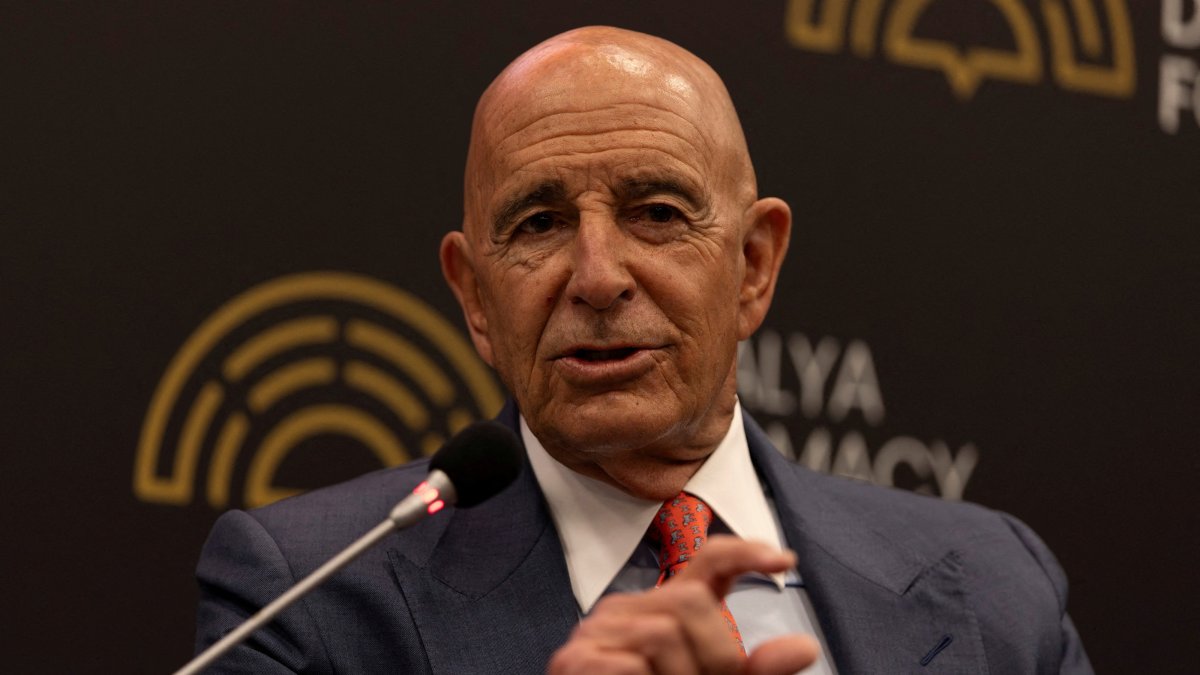
The U.S. is seeking to establish a military coordination mechanism involving Türkiye, Syria and Israel to reduce the risk of further escalation, Washington's Syria envoy Tom Barrack said Tuesday following an Israeli strike on a Syrian air base near the Turkish border.
Barrack, who is also U.S. ambassador to Türkiye, said Türkiye had not been warned about the Israeli strikes, "and consequently observed the aircraft heading north toward its territory and therefore could have reasonably prepared its own response," referring to possible Turkish military reaction.
 share.google
Barrack, who is also U.S. ambassador to Türkiye, said Türkiye had not been warned about the Israeli strikes, "and consequently observed the aircraft heading north toward its territory and therefore could have reasonably prepared its own response," referring to possible Turkish military reaction.
US seeks Israel-Türkiye deconfliction mechanism after Israeli strike
The U.S. is seeking to establish a military coordination mechanism involving Türkiye, Syria and Israel to reduce the risk of further escalation,...
Last edited by a moderator:

I made a list of recent events and diplomacy traffic in the region. So much is happening -all connected- and it is getting faster.
July 27, 2026 — Hakan Fidan received Tom Barrack in Ankara.
July 29, 2026 — Hakan Fidan received a Hamas delegation headed by Hamas Political Bureau Chairman Khalil al-Hayya in Ankara.
July 31, 2026 — Trump’s 15-point plan for Gaza was announced; Hamas reacted positively to the plan in principle.
August 5–6, 2026 — Lebanese and Israeli delegations discussed the disarmament of Hezbollah in Rome.
August 6, 2026 — Hakan Fidan met with Syrian Foreign Minister al-Shaibani in Ankara.
August 6, 2026 — Hakan Fidan discussed Gaza and regional developments with the Qatari Foreign Minister.
August 6, 2026 — The Houthis intensified their attacks against government forces in Yemen.
August 7, 2026 — Türkiye, Saudi Arabia, and Pakistan signed the Mecca Joint Defense Agreement.
August 9, 2026 — Netanyahu rejected Trump’s Gaza plan.
August 10, 2026 — The Turkish Grand National Assembly (TBMM) passed the “Terror-Free Türkiye” law.
August 11, 2026 — Hakan Fidan met with a Libyan delegation; his photograph with Libyan Prime Minister Abdul Hamid Dbeibah in front of a map of Palestine came into the spotlight.
August 12, 2026 — Due to the Houthi threat, Saudi Arabia increased security measures for oil transportation in the Red Sea.
August 13, 2026 — The Houthis claimed that they had carried out a drone attack on an Aramco facility in Saudi Arabia.
August 13, 2026 — Türkiye participated in the Multinational Maritime Defense Coalition meeting, established under Saudi leadership for the security of the Red Sea and the Gulf of Aden.
August 13, 2026 — Hakan Fidan stated that Türkiye, Qatar, and Egypt could take “radical steps” against Israel if the Gaza agreement was not complied with.
August 15, 2026 — 11 people were killed in an Israeli attack in southern Lebanon.
June 15, 2026 — Tom Barrack met with Syrian Foreign Minister al-Shaibani in Istanbul; footage of them having dinner together and taking photographs by the Golden Horn came into the spotlight.
August 15–17, 2026 — Claims emerged that Türkiye had carried out military shipments to Saudi Arabia and deploying to Tabuk Airbase near the Jordanian border.
August 16, 2026 — Erdoğan’s statements along the lines of “we want peace, but we are not afraid of war” against Israel came into the spotlight.
August 16, 2026 — Reports emerged that Trump had restrained Netanyahu regarding Syria.
August 16–17, 2026 — Mahmut Berhudan, the YPG/Kobani commander, said that they could fight against Israel if necessary.
August 17, 2026 — Erdoğan announced that he would visit Damascus as soon as possible.
August 17, 2026 — Erdoğan spoke with Trump by phone; they discussed Iran, Gaza, and regional developments.
August 17, 2026 — Trump congratulated Türkiye, Saudi Arabia, and Pakistan on the Mecca Joint Defense Agreement.
August 17, 2026 — Iran stated that it could return to an offensive posture if diplomacy failed.
August 18, 2026 — Iran stated that it would keep the Strait of Hormuz closed until U.S. conditions were met.
August 18, 2026 — Al-Shaibani stated that the nuclear material in Syria would remain in the country and be used for peaceful purposes.
August 18, 2026 — It was announced that al-Shaibani would visit Pakistan.
August 18, 2026 — Israel struck the Abu al-Duhur airbase on the grounds of the possibility of Türkiye deploying troops there.
August 18, 2026 — Tom Barrack condemned the Abu al-Duhur attack; he said that Türkiye could respond but had refrained from escalating tensions. He stated that they were trying to establish a military “deconfliction” mechanism between Türkiye, Israel, and Syria.

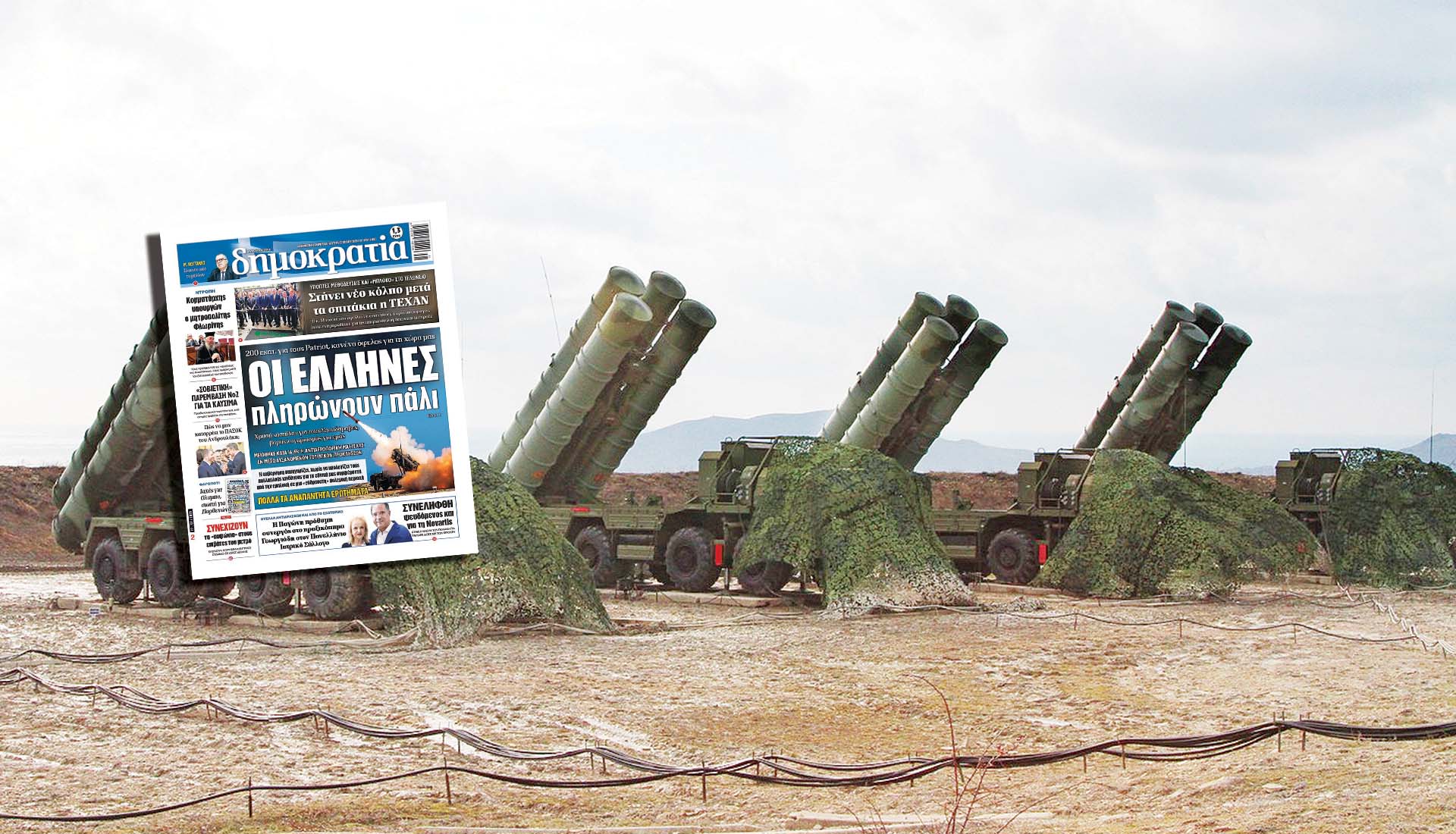
Φέρτε πίσω τώρα τους Patriot από τη Σαουδική Αραβία, κύριε Μητσοτάκη!
Ενώ ο Μπιν Σαλμάν υπέγραψε αμυντική συμφωνία με την Αγκυρα, η Αθήνα στέλνει και ελικόπτερα Apache στα ΗΑΕ
 www.dimokratia.gr
Bring back the Patriots from Saudi Arabia now, Mr. Mitsotakis!
While Bin Salman signed a defense agreement with Ankara, Athens also sends Apache helicopters to the UAE
From… Mecca to Athens, the resounding slap in the face of the foreign policy of the dangerous Mitsotakis government was heard. The “friend and ally” Saudi Arabia, for whose protection Greece sent one of the most sought-after and hard-to-find war systems on the planet, a Patriot array with corresponding personnel and hundreds of missiles, signed a defense alliance agreement with Turkey and Pakistan.
Therefore, "bring back the Patriots" is no longer just an exhortation to the government, but an imperative request for national security, as a country that belongs to a multilateral scheme with Turkey and Pakistan, two countries that expressly seek to torpedo our national interests - such as IMEC -, cannot be protected by Greece.
And not only that, at the time this agreement is being signed, Athens is also sending Apache helicopters to the United Arab Emirates. A move that further involves our country in the war-torn Middle East. The aim is to "hunt" drones and they will be deployed to a base where other international forces are stationed.
As for the Patriots, their stay shows that Athens is determined to continue the role not of an ally, but of an extra. One could speak of a grand - if not royal - evacuation of Athens by Riyadh, but the reality is even worse, as developments in the Middle East region are rapid and to the detriment of our homeland's interests in both the short and long term.
Because it is not only that Ankara is essentially - with the blessings of the US - turning into a security provider for Saudi Arabia, but also that the Greek policy of recent years is being thrown into the trash. The Mecca agreement, the first step towards the creation of the famous "Islamic NATO", was not a secret, on the contrary, it was a declared goal of Ankara.
And in the face of Turkish insistence, Greece once again chose the role of a... willing and given ally, not against the US but against Saudi Arabia, which showed how much... it appreciated our offer from the signatures it put together with those who not only threaten Greece and militarily occupy half of Cyprus but also support the... Houthis.
Naivety.
Only those possessed of pacifist naivety can believe Ankara when it declares that a “defense” agreement with other countries aims to “preserve peace and stability.” Especially when this agreement reveals in the most eloquent way the fact that Turkey has achieved what it wanted to achieve, namely to plant its boot even more firmly in the volatile region of the Middle East.
Moreover, the signing was preceded by months of negotiations and the statement by Turkish Foreign Minister Hakan Fidan that Ankara supports the creation of a broader regional security platform to promote cooperation and stability.
"The Mecca agreement, which does not target any specific country, will strengthen the common security and collective deterrence of the three countries, significantly contributing to the defense of peace and stability in our region," said yesterday in a statement published on the X platform, the Turkish presidency's communications director, Burhanettin Duran.
The three countries have long been expressing their “common concerns” about the chaotic situation in the Middle East. However, none of them speaks about the legitimate concerns that they leave unclear the commitments that each of them has made to the other two within the framework of their alliance. And most importantly, they also hide how the Sunni defense “college” will affect the broader crisis in the Middle East.
The facts, however, are clear, reminiscent of a lit torch in a powder keg, since the ever-provocative Turkey has the second largest army in NATO, Saudi Arabia is the most powerful country in the Gulf and is one of the largest oil exporters in the world, while Pakistan is the only Muslim nuclear power. So, will they work to defend peace and stability in the Middle East?


You are a real catastrophist arent you?Φέρτε πίσω τώρα τους Patriot από τη Σαουδική Αραβία, κύριε Μητσοτάκη!
Ενώ ο Μπιν Σαλμάν υπέγραψε αμυντική συμφωνία με την Αγκυρα, η Αθήνα στέλνει και ελικόπτερα Apache στα ΗΑΕ
Bring back the Patriots from Saudi Arabia now, Mr. Mitsotakis!
While Bin Salman signed a defense agreement with Ankara, Athens also sends Apache helicopters to the UAE
From… Mecca to Athens, the resounding slap in the face of the foreign policy of the dangerous Mitsotakis government was heard. The “friend and ally” Saudi Arabia, for whose protection Greece sent one of the most sought-after and hard-to-find war systems on the planet, a Patriot array with corresponding personnel and hundreds of missiles, signed a defense alliance agreement with Turkey and Pakistan.
Therefore, "bring back the Patriots" is no longer just an exhortation to the government, but an imperative request for national security, as a country that belongs to a multilateral scheme with Turkey and Pakistan, two countries that expressly seek to torpedo our national interests - such as IMEC -, cannot be protected by Greece.
And not only that, at the time this agreement is being signed, Athens is also sending Apache helicopters to the United Arab Emirates. A move that further involves our country in the war-torn Middle East. The aim is to "hunt" drones and they will be deployed to a base where other international forces are stationed.
As for the Patriots, their stay shows that Athens is determined to continue the role not of an ally, but of an extra. One could speak of a grand - if not royal - evacuation of Athens by Riyadh, but the reality is even worse, as developments in the Middle East region are rapid and to the detriment of our homeland's interests in both the short and long term.
Because it is not only that Ankara is essentially - with the blessings of the US - turning into a security provider for Saudi Arabia, but also that the Greek policy of recent years is being thrown into the trash. The Mecca agreement, the first step towards the creation of the famous "Islamic NATO", was not a secret, on the contrary, it was a declared goal of Ankara.
And in the face of Turkish insistence, Greece once again chose the role of a... willing and given ally, not against the US but against Saudi Arabia, which showed how much... it appreciated our offer from the signatures it put together with those who not only threaten Greece and militarily occupy half of Cyprus but also support the... Houthis.
Naivety.
Only those possessed of pacifist naivety can believe Ankara when it declares that a “defense” agreement with other countries aims to “preserve peace and stability.” Especially when this agreement reveals in the most eloquent way the fact that Turkey has achieved what it wanted to achieve, namely to plant its boot even more firmly in the volatile region of the Middle East.
Moreover, the signing was preceded by months of negotiations and the statement by Turkish Foreign Minister Hakan Fidan that Ankara supports the creation of a broader regional security platform to promote cooperation and stability.
"The Mecca agreement, which does not target any specific country, will strengthen the common security and collective deterrence of the three countries, significantly contributing to the defense of peace and stability in our region," said yesterday in a statement published on the X platform, the Turkish presidency's communications director, Burhanettin Duran.
The three countries have long been expressing their “common concerns” about the chaotic situation in the Middle East. However, none of them speaks about the legitimate concerns that they leave unclear the commitments that each of them has made to the other two within the framework of their alliance. And most importantly, they also hide how the Sunni defense “college” will affect the broader crisis in the Middle East.
The facts, however, are clear, reminiscent of a lit torch in a powder keg, since the ever-provocative Turkey has the second largest army in NATO, Saudi Arabia is the most powerful country in the Gulf and is one of the largest oil exporters in the world, while Pakistan is the only Muslim nuclear power. So, will they work to defend peace and stability in the Middle East?
Buddy,you need to understand that your country is not even noticed in this agreement.
The world is changing,either you change with it or be left behind.
Nobody wants or needs to attack your country,you are just small a neighbour.
And kindly stop accommodating or appeasing Israel and all will be happy.You are a real catastrophist arent you?
Buddy,you need to understand that your country is not even noticed in this agreement.
The world is changing,either you change with it or be left behind.
Nobody wants or needs to attack your country,you are just small a neighbour.
According to the latest available data, Israel’s crude oil suppliers and their approximate shares are as follows:
We basically have the capability to cut around %90 of Israel's oil imports with a single decision.
- Azerbaijan: 46.4%
- Russia: 28%
- Kazakhstan: approximately 10–15%
- Nigeria: approximately 5–10%
We basically have the capability to cut around %90 of Israel's oil imports with a single decision.


Şok Tedavisi
Active member
They will hit Ankara the second you do that.According to the latest available data, Israel’s crude oil suppliers and their approximate shares are as follows:
Azerbaijan delivers the oil via BTC pipeline while Russia&Kazakhstan deliver it with tankers that pass through Turkish Straits.
- Azerbaijan: 46.4%
- Russia: 28%
- Kazakhstan: approximately 10–15%
- Nigeria: approximately 5–10%
We basically have the capability to cut around %90 of Israel's oil imports with a single decision.
And we'd do nothing.They will hit Ankara the second you do that.
Just a strongly worded letter. And ask Tom Barrack to de-escalate
I also have a feeling we'd do nothing even if our defense programmes were all matured too. Like even if we had 100s of KAANs I don't see it meaning anything under AKP against Israel.


You are a real catastrophist arent you?
Buddy,you need to understand that your country is not even noticed in this agreement.
The world is changing,either you change with it or be left behind.
Nobody wants or needs to attack your country,you are just small a neighbour.
They really think we give as much of a ahit about them as they do with us. Their entire social, political and cultural foundation is built on being scared of turks and wanting to murder them all. Diet-israeli mentality. Shame to see, a rational Greece would be a friend to all and prosper with its neighbours

Why blaming Saudi Arabia? Aren't you Greece und Turkey both in the same military alliance that called NATO!?Φέρτε πίσω τώρα τους Patriot από τη Σαουδική Αραβία, κύριε Μητσοτάκη!
Ενώ ο Μπιν Σαλμάν υπέγραψε αμυντική συμφωνία με την Αγκυρα, η Αθήνα στέλνει και ελικόπτερα Apache στα ΗΑΕ
Bring back the Patriots from Saudi Arabia now, Mr. Mitsotakis!
While Bin Salman signed a defense agreement with Ankara, Athens also sends Apache helicopters to the UAE
From… Mecca to Athens, the resounding slap in the face of the foreign policy of the dangerous Mitsotakis government was heard. The “friend and ally” Saudi Arabia, for whose protection Greece sent one of the most sought-after and hard-to-find war systems on the planet, a Patriot array with corresponding personnel and hundreds of missiles, signed a defense alliance agreement with Turkey and Pakistan.
Therefore, "bring back the Patriots" is no longer just an exhortation to the government, but an imperative request for national security, as a country that belongs to a multilateral scheme with Turkey and Pakistan, two countries that expressly seek to torpedo our national interests - such as IMEC -, cannot be protected by Greece.
And not only that, at the time this agreement is being signed, Athens is also sending Apache helicopters to the United Arab Emirates. A move that further involves our country in the war-torn Middle East. The aim is to "hunt" drones and they will be deployed to a base where other international forces are stationed.
As for the Patriots, their stay shows that Athens is determined to continue the role not of an ally, but of an extra. One could speak of a grand - if not royal - evacuation of Athens by Riyadh, but the reality is even worse, as developments in the Middle East region are rapid and to the detriment of our homeland's interests in both the short and long term.
Because it is not only that Ankara is essentially - with the blessings of the US - turning into a security provider for Saudi Arabia, but also that the Greek policy of recent years is being thrown into the trash. The Mecca agreement, the first step towards the creation of the famous "Islamic NATO", was not a secret, on the contrary, it was a declared goal of Ankara.
And in the face of Turkish insistence, Greece once again chose the role of a... willing and given ally, not against the US but against Saudi Arabia, which showed how much... it appreciated our offer from the signatures it put together with those who not only threaten Greece and militarily occupy half of Cyprus but also support the... Houthis.
Naivety.
Only those possessed of pacifist naivety can believe Ankara when it declares that a “defense” agreement with other countries aims to “preserve peace and stability.” Especially when this agreement reveals in the most eloquent way the fact that Turkey has achieved what it wanted to achieve, namely to plant its boot even more firmly in the volatile region of the Middle East.
Moreover, the signing was preceded by months of negotiations and the statement by Turkish Foreign Minister Hakan Fidan that Ankara supports the creation of a broader regional security platform to promote cooperation and stability.
"The Mecca agreement, which does not target any specific country, will strengthen the common security and collective deterrence of the three countries, significantly contributing to the defense of peace and stability in our region," said yesterday in a statement published on the X platform, the Turkish presidency's communications director, Burhanettin Duran.
The three countries have long been expressing their “common concerns” about the chaotic situation in the Middle East. However, none of them speaks about the legitimate concerns that they leave unclear the commitments that each of them has made to the other two within the framework of their alliance. And most importantly, they also hide how the Sunni defense “college” will affect the broader crisis in the Middle East.
The facts, however, are clear, reminiscent of a lit torch in a powder keg, since the ever-provocative Turkey has the second largest army in NATO, Saudi Arabia is the most powerful country in the Gulf and is one of the largest oil exporters in the world, while Pakistan is the only Muslim nuclear power. So, will they work to defend peace and stability in the Middle East?


BalkanTurk90
Contributor

Even if war happens tomorrow and we dont have airforce supremacy over them , we can easy make ukraine v2 all over israeli border from lebanon to jordan with 1+ million soldiers will be trench war , small wire dron war and artillary war just like ukraine but since israel is so small they will surrender or die . Jordan will be diffucult to enter the war but if they dont they will face civil war or coupThey will hit Ankara the second you do that.


What im sick? Is Muslims being blamed for the Arabs incompetence.
Why should Turks, Iranians, Indonesians, Algerians or Moroccans or even Bosniaks be blamed for Israel getting established?
Arab incompetence is what led to Israel in the first place.
Ottomans were not perfect but how stupid can one be to trust the British and the French to give you independance?
Israel wouldnt be a problem due to numerous factors.
Bayezid II instead of encouraging Turks getting rich preferred bring to Jews over to our lands. There is a reason why Europe was kicking them out.
Centuries has past this all snowballed to what it is. Israel really does think Turkiye is easy game like the Palestinians.
Why should Turks, Iranians, Indonesians, Algerians or Moroccans or even Bosniaks be blamed for Israel getting established?
Arab incompetence is what led to Israel in the first place.
Ottomans were not perfect but how stupid can one be to trust the British and the French to give you independance?
Israel wouldnt be a problem due to numerous factors.
Bayezid II instead of encouraging Turks getting rich preferred bring to Jews over to our lands. There is a reason why Europe was kicking them out.
Centuries has past this all snowballed to what it is. Israel really does think Turkiye is easy game like the Palestinians.
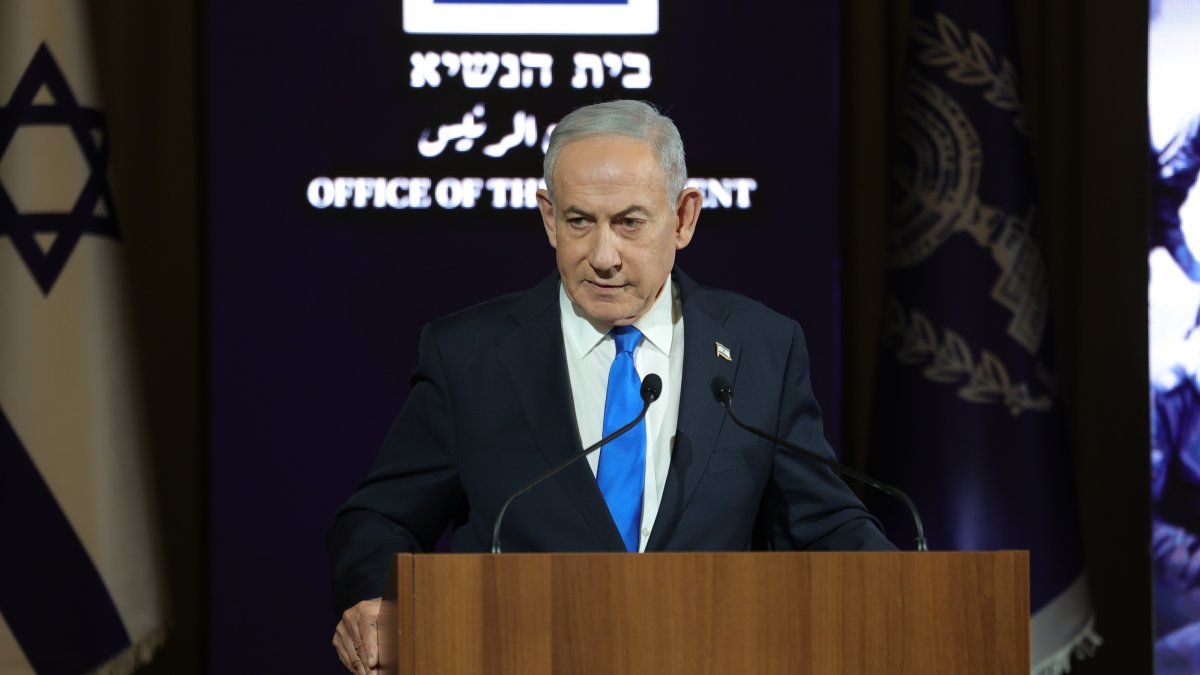
Netanyahu turns on Türkiye as election pressure mounts, experts say
Experts say Netanyahu is increasingly portraying President Erdoğan and Türkiye as external threats as he seeks to consolidate his political base ahead of...
Israel’s recent strikes on a military base in Syria’s northwestern Idlib province and the use of President Recep Tayyip Erdoğan’s image in an election poster by Prime Minister Benjamin Netanyahu’s Likud party bearing the slogan “They want Netanyahu to lose” are seen by experts as signs of the growing political and strategic pressure Netanyahu is facing.
Israel has begun laying the groundwork for a possible conflict with Turkey
According to unverified rumors, Marian Adelson's PR companies will reportedly handle the spread of such belief to NATO members, US congress, and Western public
According to unverified rumors, Marian Adelson's PR companies will reportedly handle the spread of such belief
to NATO members, US congress, and Western public
Şok Tedavisi
Active member
How? You can't push Infantry without air support.Even if war happens tomorrow and we dont have airforce supremacy over them , we can easy make ukraine v2 all over israeli border from lebanon to jordan with 1+ million soldiers will be trench war , small wire dron war and artillary war just like ukraine but since israel is so small they will surrender or die . Jordan will be diffucult to enter the war but if they dont they will face civil war or coup


