Indonesia Navy Indonesian Navy, Tentara Nasional Indonesia-Angkatan Laut (TNI-AL)

chiphocks

Committed member
Messages
231
Reactions
80
Nation of residence
Indonesia
Nation of origin
Indonesia
Some more thing, Murasame class already adopted stealthier design plus more automation in its weapon system, eliminates manual ammo loading. And off course, at least 5 years younger age than the latest Asagiri class.
that why i hope if TNI actually need to buy an old ASW ship from Japan, they'll choose Musarame or something better instead of Asagiri....

in my opinion, Asagiri is just toooo obsolete....
 

Mandala

Contributor
Indonesia Correspondent
Messages
1,243
Reactions
10 2,843
Nation of residence
Indonesia
Nation of origin
Indonesia
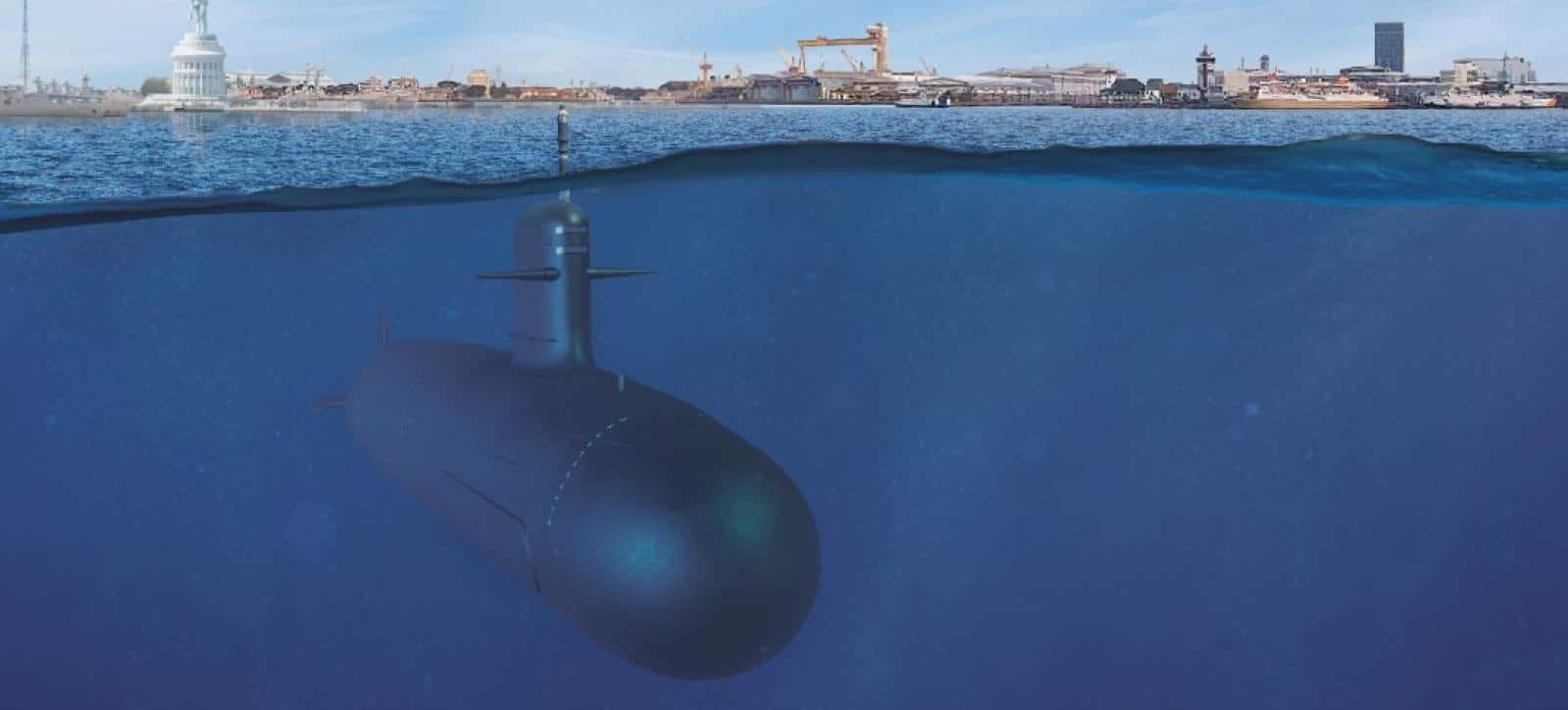
"A recent report suggested that the first two Scorpene Evolved submarines for the Indonesian Navy (TNI AL), which will be constructed domestically by the state-owned company PT PAL Indonesia in East Java, will not have missile-launch capability from the outset. However, sources involved in the project have confirmed to Naval News that the report is not correct"


satria

Experienced member
Indonesia Correspondent
Messages
1,848
Reactions
24 2,826
Nation of residence
Indonesia
Nation of origin
Indonesia

Indonesia chooses the DGK: Italy once again exports the future of submarines​


IMG_0639.png


What is DGK?​

The DGK — Drass Galeazzi K, where the K designates conventional diesel-electric propulsion, the same NATO nomenclature that defines the legendary "silent killers" of the major manufacturers — is not your average midget. It's a category unto itself.


In numbers:

  • 270 tons submerged
  • 34 meters in length
  • Crew: 9 submariners + up to 6 special forces operators
  • Range: up to 4,000 nautical miles at 4 knots
  • Armament: up to 4 heavy torpedoes
  • Optional payloads: mines, UUVs, SDVs (including the DRASS DS8), mini-torpedoes, special operations equipment

This combination of dimensions, weapons capacity, and operational range is unique among compact submarines on the global market. Conventional midgets—vessels of 100 to 150 tons—lack a full sensor suite, advanced command and control capabilities, and sustained endurance. Large submarines, with displacements exceeding 1,000–1,550 tons, are incapable of operating in shallow waters: their movements are severely restricted, their exposure to detection increases critically, and if discovered, they have no realistic chance of evasion.


Signed contract for 2 unit DGK DRASS
 

satria

Experienced member
Indonesia Correspondent
Messages
1,848
Reactions
24 2,826
Nation of residence
Indonesia
Nation of origin
Indonesia
Completion of the first Red-White Frigate unit is targeted for September, in time to participate in the TNI's 81st Anniversary sailing pass.

IMG_0644.jpeg


I hope it is the best, ….
 

kanalkanan

Committed member
Messages
160
Reactions
1 91
Nation of residence
Canada
Nation of origin
Indonesia
Completion of the first Red-White Frigate unit is targeted for September, in time to participate in the TNI's 81st Anniversary sailing pass.

View attachment 81138

I hope it is the best, ….
no problem, we had a lot of tugboat
 

Soman45

Contributor
Messages
460
Reactions
8 1,170
Nation of residence
Indonesia
Nation of origin
Indonesia

First Local Construction of Scorpène Evolved to Begin This Month in Indonesia​

On 2 July, PT PAL Indonesia and Naval Group organised a press tour of PT PAL’s submarine construction and maintenance facilities in Surabaya, East Java, to showcase preparations for the start of construction of two Scorpène Evolved submarines for the Indonesian Navy (TNI AL) under the Scorpène Republik Indonesia (SRI) programme. The visit highlighted the progress both companies have made in infrastructure, workforce training, and production readiness as Indonesia moves closer to building the French-designed submarines domestically.

Naval Group SRI Programme Director, Vincent Vimont, revealed that the first steel cutting for the lead Scorpène submarine will take place this month, with testing and sea trials scheduled between 2030 and 2032 ahead of delivery in 2032.

Construction of the second submarine is set to begin in 2027, followed by testing and sea trials between 2031 and 2033, with delivery planned for 2033.
 
Top Bottom