Jul 31 at 11:06 PM
Correspondent, cars and police get stones thrown at them by migrants: The mood has changed significantly in just a day and a half
In just a day and a half, the mood in the Spanish exclave of Ceuta in North Africa has changed significantly.
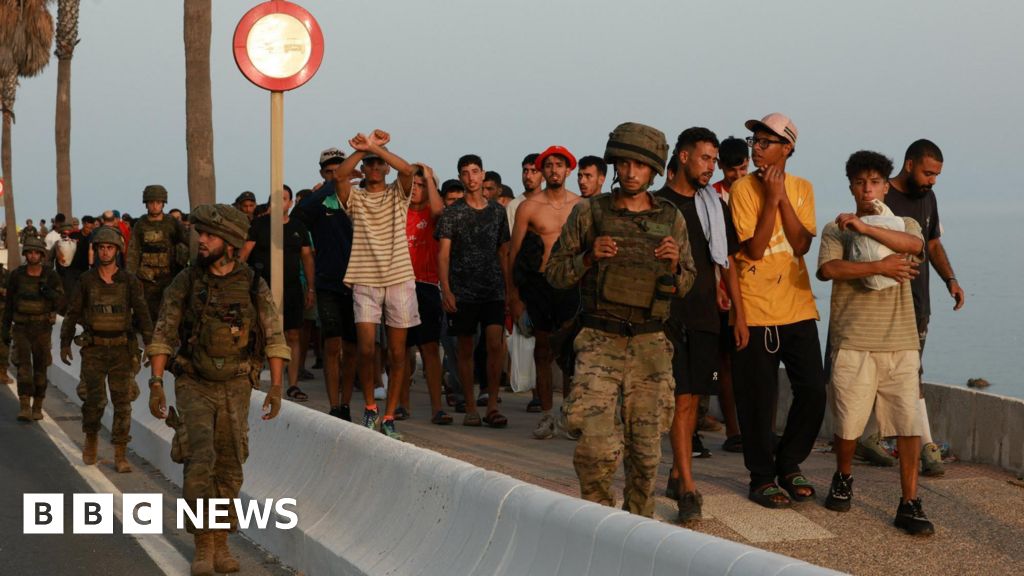
On Thursday, thousands of migrants from Morocco were helped by the Spanish police and shown where they could register on Spanish soil after they swam from the African country to Ceuta.
On their way into the Spanish city, several of the migrants shouted "viva España".
But on Friday evening, a certain situation shows that the mood is really changing, says Berlingske's journalist in Ceuta, Gunnar Willum.
A short time ago, he was walking with his wife on Ceuta's beach promenade when all the cars suddenly stopped in the middle of the road. Then they began to turn around frantically.
It was as if it all happened on command, says Gunnar Willum.
The reason?
Young migrants began to bombard the narrow road with stones.
“Before I could fully register what was happening, armored jeeps from the Guardia Civil (Spanish police soldiers, ed.) slowed down behind us,” says Berlingske’s correspondent.
Then four gendarmes in bulletproof vests with raised batons rushed towards Gunnar Willum, who managed to shout that he was a journalist.
The Spanish police soldiers stormed further towards the stone-throwing youth. Most of them were small boys, who were standing behind a high fence.
However, the boys were not intimidated by the police soldiers’ batons. The stones continued to fly towards the cars.
“The boys were small. But the stones were big,” says Gunnar Willum and continues:
”Suddenly it was as if the police soldiers realized that they were outnumbered. Or that it was not worth the effort. In any case, they turned around and headed back towards their armored jeeps.”
But the stones kept coming. One of them hit Gunnar Willum in the lower leg, he says.
The police then jumped into their cars.
“You can’t just leave us here,” Berlingske’s correspondent appealed.
But they didn’t want Gunnar Willum and his wife in the car.
“When we drive, they stop throwing,” said one of the Spanish police and closed the car door.
But the little boys didn’t stop. The stones continued.
“Hijo de puta España (Spain is a son of a whore, ed.),” the boys subsequently shouted from the very same cliffs where other migrants stood shouting “viva España” a day and a half ago.
But 36 hours is a long time in the world we live in.
“Nahnu sahafi,” Gunnar Willum shouted in Arabic to the boys. In Danish: “We are journalists.”
It apparently worked.
“Several older migrants started shouting at the boys to stop and drove them away,” says Gunnar Willum.
On Friday afternoon, the head of Ceuta estimated that 60,000 migrants had flowed into Ceuta.
However, that picture has already changed significantly.
Early Friday evening, the Spanish authorities announced that approximately 48,000 migrants had returned to Morocco from Ceuta.

 www.berlingske.dk
Correspondent, cars and police get stones thrown at them by migrants: The mood has changed significantly in just a day and a half
In just a day and a half, the mood in the Spanish exclave of Ceuta in North Africa has changed significantly.
On Thursday, thousands of migrants from Morocco were helped by the Spanish police and shown where they could register on Spanish soil after they swam from the African country to Ceuta.
On their way into the Spanish city, several of the migrants shouted "viva España".
But on Friday evening, a certain situation shows that the mood is really changing, says Berlingske's journalist in Ceuta, Gunnar Willum.
A short time ago, he was walking with his wife on Ceuta's beach promenade when all the cars suddenly stopped in the middle of the road. Then they began to turn around frantically.
It was as if it all happened on command, says Gunnar Willum.
The reason?
Young migrants began to bombard the narrow road with stones.
“Before I could fully register what was happening, armored jeeps from the Guardia Civil (Spanish police soldiers, ed.) slowed down behind us,” says Berlingske’s correspondent.
Then four gendarmes in bulletproof vests with raised batons rushed towards Gunnar Willum, who managed to shout that he was a journalist.
The Spanish police soldiers stormed further towards the stone-throwing youth. Most of them were small boys, who were standing behind a high fence.
However, the boys were not intimidated by the police soldiers’ batons. The stones continued to fly towards the cars.
“The boys were small. But the stones were big,” says Gunnar Willum and continues:
”Suddenly it was as if the police soldiers realized that they were outnumbered. Or that it was not worth the effort. In any case, they turned around and headed back towards their armored jeeps.”
But the stones kept coming. One of them hit Gunnar Willum in the lower leg, he says.
The police then jumped into their cars.
“You can’t just leave us here,” Berlingske’s correspondent appealed.
But they didn’t want Gunnar Willum and his wife in the car.
“When we drive, they stop throwing,” said one of the Spanish police and closed the car door.
But the little boys didn’t stop. The stones continued.
“Hijo de puta España (Spain is a son of a whore, ed.),” the boys subsequently shouted from the very same cliffs where other migrants stood shouting “viva España” a day and a half ago.
But 36 hours is a long time in the world we live in.
“Nahnu sahafi,” Gunnar Willum shouted in Arabic to the boys. In Danish: “We are journalists.”
It apparently worked.
“Several older migrants started shouting at the boys to stop and drove them away,” says Gunnar Willum.
On Friday afternoon, the head of Ceuta estimated that 60,000 migrants had flowed into Ceuta.
However, that picture has already changed significantly.
Early Friday evening, the Spanish authorities announced that approximately 48,000 migrants had returned to Morocco from Ceuta.
Tusindvis af migranter strømmer ind i spansk eksklave – følg med her
Mange tusind migranter fra Marokko er ankommet til den spanske eksklave Ceuta i Nordafrika. Følg den seneste udvikling her.
www.berlingske.dk