The history of South Korea's Anti-Submarine Warfare (ASW) system can be clearly divided into two eras: before and after the ROKS
Cheonan sinking. In early 2010, the Republic of Korea Navy (ROKN) still operated a mix of older vessels. Consequently, Patrol Combat Corvettes (PCCs) were forced to patrol the front lines directly adjacent to North Korea without adequate ASW sensors.
North Korea’s submarine fleet has long relied—and continues to rely—primarily on midget submarines. The attack on the
Cheonan was carried out by ambushing the vessel; a North Korean submarine powered down its engines, waited in their waters, and launched a torpedo when the ROKN PCC approached the nearby sea area.
Following the incident, minimal upgrades were implemented to ensure the survival of the remaining PCCs. (Although their decommissioning was already a foregone conclusion, they were still critically needed at the time). These upgrades included enhancements to their sonar, radar, and Torpedo Acoustic Countermeasures (TACM). Since then, the ROKN's ASW capabilities have grown formidable through the introduction of the FFX program, new maritime patrol aircraft, and ASW helicopters such as the AW-159, MH-60R, and P-8A.
Additionally, even the existing DDH-I and DDH-II destroyers were prioritized for sonar system upgrades.
Implementation of the SOSUS Line and Harbor Surveillance
In addition to fleet upgrades, a Sound Surveillance System (SOSUS) line was established. Mirroring the SOSUS that played a vital role in monitoring Soviet submarines during the Cold War, South Korea decided to install linear acoustic sensor arrays in high-risk waters.
Areas like Yeonpyeong Island, where the incident occurred, and Baengnyeong Island, which sits far from the South Korean mainland, are high-tension zones bordering North Korea. To prevent a tragedy like the
Cheonan from ever happening again, the ROKN established a surveillance network by burying sensors through the
"Long-Range Acoustic Detection Sensor Program." This system detects and tracks the propeller noise of enemy midget submarines from a distance.
Furthermore, a harbor surveillance system was integrated to protect major ports. Developed by LIG Nex1 in cooperation with the Agency for Defense Development (ADD), this system counters underwater threats amidst rising maritime traffic and increasingly quiet modern submarines.
- Outer Waters: Linear array sensors capture detection data on underwater objects approaching South Korean ports.
- Dual-Signal Analysis: The system then utilizes magnetic-acoustic composite sensors to simultaneously analyze magnetic and acoustic signatures, significantly boosting surveillance accuracy.
- Intrusion Blocking: Active acoustic detectors and electro-optical equipment are deployed to completely block enemy personnel attempting to infiltrate ports.
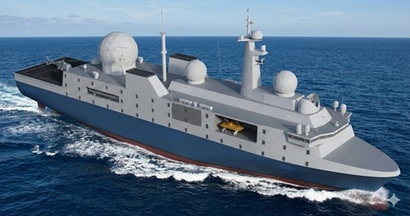
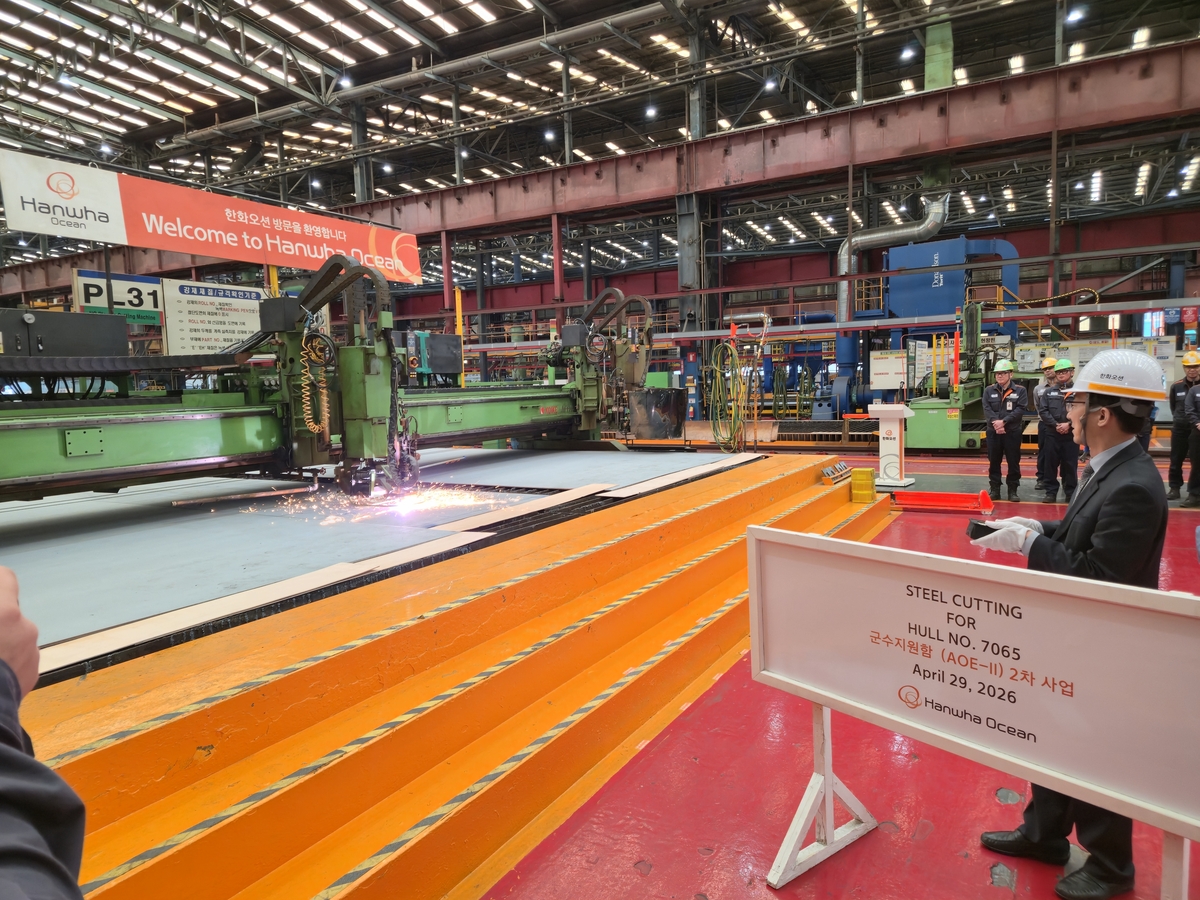
Today, the TASS (Towed Array Sonar System) deployed on the Navy's current intelligence ships—along with the massive TASS systems slated for next-generation intelligence vessels currently under construction—will continue to significantly bolster the ROKN's robust anti-submarine warfare capabilities.


blog.naver.com