

Latest Thread
- Bangladesh Opinion Bangladesh’s intelligence challenge
- Iran’s Long Game in Türkiye: From Political Islam to the Post-Erdoğan Era
- Open-source AI for exploiting cyber vulnerabilities
- Engineering Atomic Machines: Matter Compiler
- Breaking News Turkish and Greek defence officials meet for "Confidence Building Measures"
You are using an out of date browser. It may not display this or other websites correctly.
You should upgrade or use an alternative browser.
You should upgrade or use an alternative browser.


What about Cyprus? Could they hit bases in Cyprus? In that case, Article 5 also can't be activated.I don’t think Israel is going to attack us directly in our territory. If they want to strike us, it will be in a foreign land (Syria…). They’re going to send a few F-35, do their thing and get back to base. Now what will be our options if that happens ?

I have been waiting for this for so long.
Hope it becomes a nucleus for a future unity in the Islamic World. We have a great potential together.
Any guesses about these 6-7 countries?


KKTC is a red line,article 5 doesnt matter then.What about Cyprus? Could they hit bases in Cyprus? In that case, Article 5 also can't be activated.

Can be Algeria, Egypt, Bangladesh, Syria, Qatar, Malaysia, Indonesia etc.
Any guesses about these 6-7 countries?


Who will shape new Middle East? | Column
The Middle East is entering a new era as Turkish and Israeli visions compete for the region’s future: regional ownership vs hegemony
New regional context
After Iran lost its influence, a major power vacuum emerged in the region. As a result of these altered conditions, there has been a significant change in the mindset in the Middle East. Regional and global powers have begun to restructure their policies in accordance with the new realities. Upon closer examination, we can see that all actors have drawn different conclusions from the new regional environment.In this new context, two countries, Türkiye and Israel, have come to the forefront, trying to fill this power vacuum. However, these two states have different and often conflicting perspectives, which causes them to compete and clash in the region. Accordingly, the other regional states are divided into two fronts: while some support the Israeli stance, others support the Turkish vision.
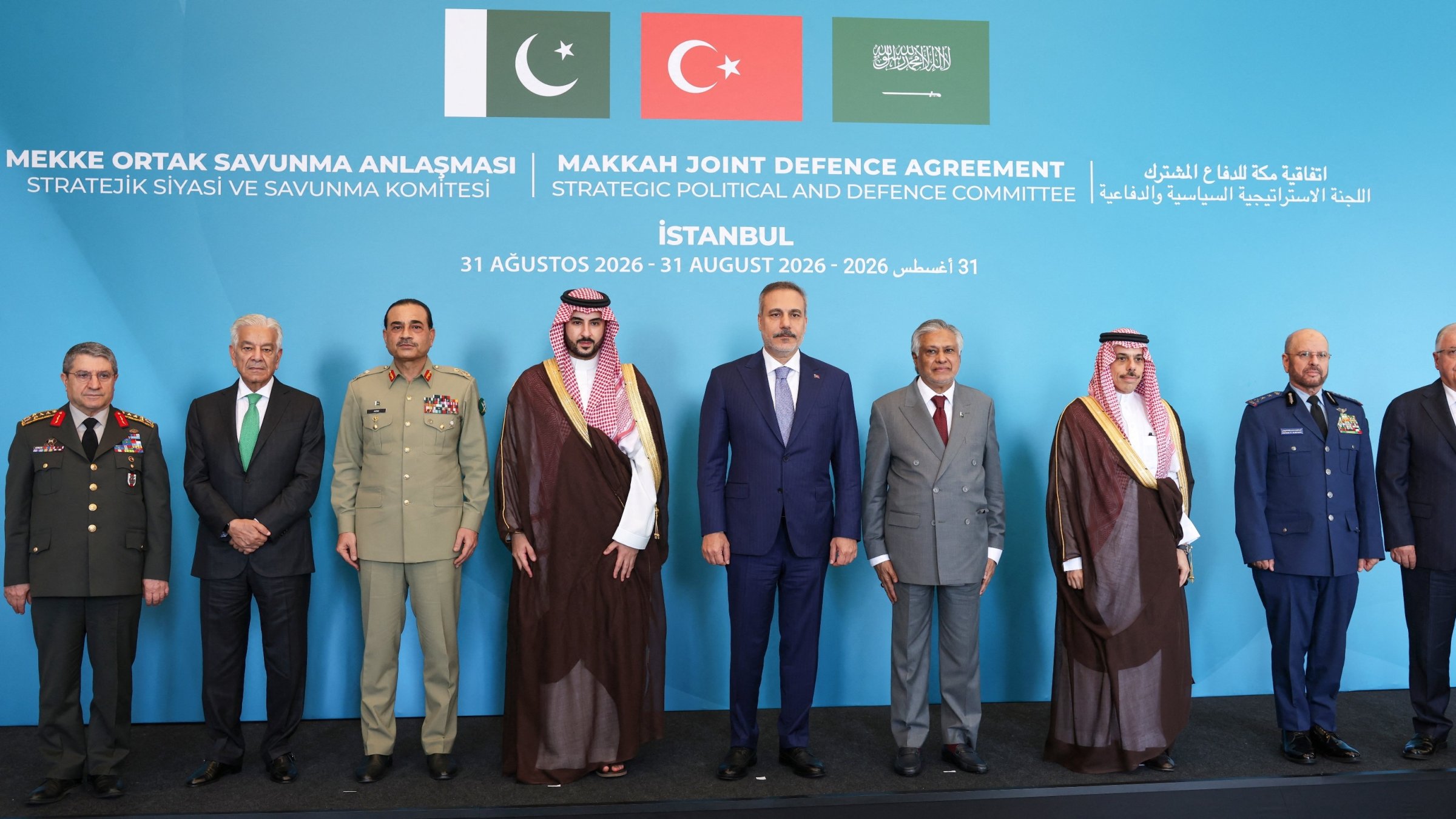
The U.S. has relatively understood the new situation in the Middle East and implemented a withdrawal from the region. Determined to reduce its military presence in most states in the region, it appears that the U.S. will soon withdraw its forces from Iraq, just as it did in Syria. Although it is the strongest supporter of Israel, the U.S. has been trying to follow a relatively balanced policy between Israel and Muslim states. Therefore, it does not alienate Türkiye to the extent that Israel desires. For instance, U.S. government officials welcomed the Mecca Pact signed by Türkiye, Pakistan and Saudi Arabia.

Why wouldn't they welcome it? Those countries don't wish USA wouldn't exist like they do for Israel. They will not throw their missiles on USA. They will not send their F-16s and drones to violate the USA air space like a certain country does in the Greek air space. They will not send their fishermen accompanied by their Coast Guard to fish in USA territorial waters and bully American fishermen like that certain country does to Greek fishermen.For instance, U.S. government officials welcomed the Mecca Pact signed by Türkiye, Pakistan and Saudi Arabia.
AlperTunga
Committed member

If you people continue with this mentality, a war will be inevitable. This time we will make sure that it will be the last one with your country.Why wouldn't they welcome it? Those countries don't wish USA wouldn't exist like they do for Israel. They will not throw their missiles on USA. They will not send their F-16s and drones to violate the USA air space like a certain country does in the Greek air space. They will not send their fishermen accompanied by their Coast Guard to fish in USA territorial waters and bully American fishermen like that certain country does to Greek fishermen.
The three countries agreed to further institutionalize their cooperation “in a manner that would enhance their solidarity, ensure the credibility and effectiveness of their collective deterrence and defence, and contribute to the regional efforts and cooperative security towards a just, inclusive and lasting peace.”
The statement also announced the establishment of a secretariat in Saudi Arabia to support work carried out under the agreement.
“A Secretariat, headed by a Secretary General, will be established in the Kingdom of Saudi Arabia to support their work within the framework of the Mecca Agreement,” it said.
The secretariat will initially be headed by a secretary general from Pakistan for a three-year term.
The statement also announced the establishment of a secretariat in Saudi Arabia to support work carried out under the agreement.
“A Secretariat, headed by a Secretary General, will be established in the Kingdom of Saudi Arabia to support their work within the framework of the Mecca Agreement,” it said.
The secretariat will initially be headed by a secretary general from Pakistan for a three-year term.
Why wouldn't they welcome it? Those countries don't wish USA wouldn't exist like they do for Israel. They will not throw their missiles on USA. They will not send their F-16s and drones to violate the USA air space like a certain country does in the Greek air space. They will not send their fishermen accompanied by their Coast Guard to fish in USA territorial waters and bully American fishermen like that certain country does to Greek fishermen.
you guys are always the victims. It's a weak mentality.

Greeks are just like the Armenians IMOWhy wouldn't they welcome it? Those countries don't wish USA wouldn't exist like they do for Israel. They will not throw their missiles on USA. They will not send their F-16s and drones to violate the USA air space like a certain country does in the Greek air space. They will not send their fishermen accompanied by their Coast Guard to fish in USA territorial waters and bully American fishermen like that certain country does to Greek fishermen.
You people need to experience that one war which will pull you back to reality. The armenians experienced it and woke up right away so we can be assured of its efficacy.
If you continue with that mentality, then war is coming sooner or later and when you lose it, you wont be thinking about the unfair EEZ you claim about anymore but rather how much will Turkey take from you as spoils of victory and I assure you it wont be a couple of islands only


Why wouldn't they welcome it? Those countries don't wish USA wouldn't exist like they do for Israel. They will not throw their missiles on USA. They will not send their F-16s and drones to violate the USA air space like a certain country does in the Greek air space. They will not send their fishermen accompanied by their Coast Guard to fish in USA territorial waters and bully American fishermen like that certain country does to Greek fishermen.
The Greek claims over the Aegean are just absurd.
You should be attempting to meet Türkiye in the middle rather than falling into the trap being set up for you.
Do you seriously think you stand a chance? Do you really think Türkiye will get bogged down like Russia? It will be a quick war.
Let's be real, even if you spent 10x on your defence budget, tried to emulate the Turkish military, you'll still be at a huge disadvantage.
F-35s and layered defence won't save you if this war ever starts.

Mecca pact, SCO, NATO: Türkiye’s multilateral foreign policy | Column
Türkiye is expanding its multidimensional diplomacy, forging ties across rival power centers while strengthening its role as a pivotal global player
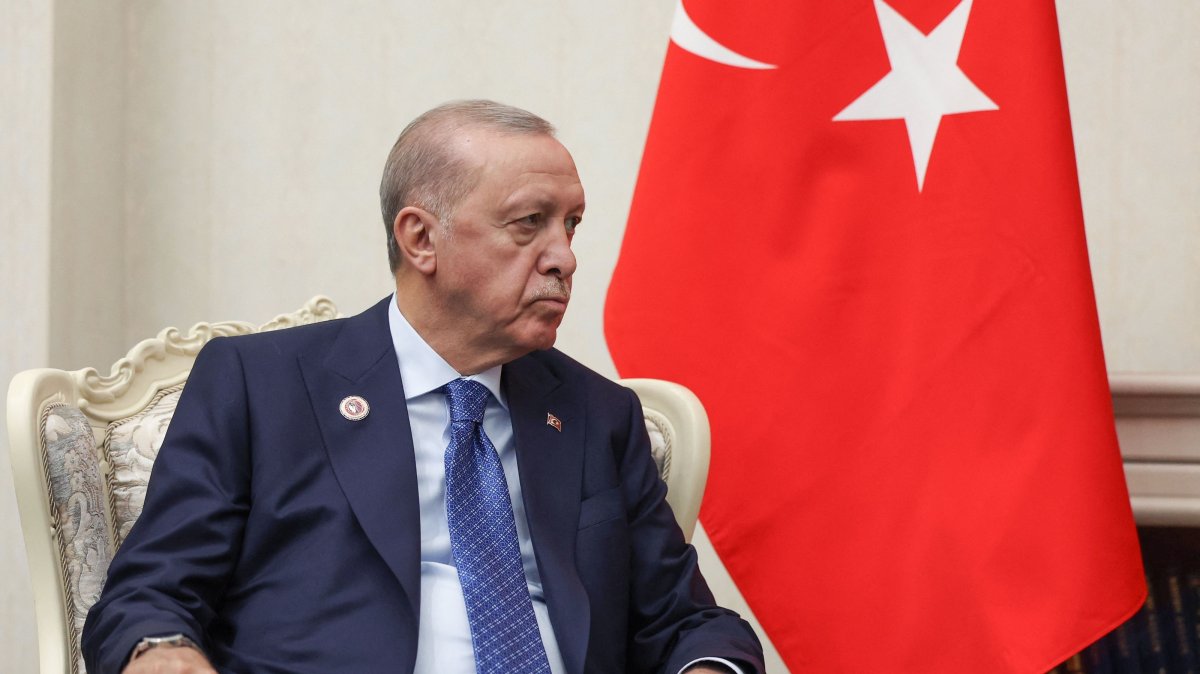
The Mecca Joint Defense Agreement, which made headlines and sparked widespread global discussion in recent weeks, has established an important security axis among Türkiye, Pakistan and Saudi Arabia. As new states join this emerging security axis, Türkiye will create a new area of cooperation that could become one of the world’s significant centers of power and security.
At a time when war rhetoric is frequently heard across the world, Türkiye is adopting an approach that places peace at the center of all the alliances and cooperation mechanisms it establishes.
And the expected happened: Greece has 0 control over the Israeli weapons they're buying.
Fell for it again. Imagine being a Greek citizen and getting dragged into a shooting war with Turkiye because Israel decided it for you. Inshallah every scenario has been gamed and our people and firepower put an end to these demon's surrounding us.
Fell for it again. Imagine being a Greek citizen and getting dragged into a shooting war with Turkiye because Israel decided it for you. Inshallah every scenario has been gamed and our people and firepower put an end to these demon's surrounding us.
That's not how weapon acquisition works. Greece has the same level or more control over their Israeli weapons than we have on S-400 or F-16.And the expected happened: Greece has 0 control over the Israeli weapons they're buying.
Fell for it again. Imagine being a Greek citizen and getting dragged into a shooting war with Turkiye because Israel decided it for you. Inshallah every scenario has been gamed and our people and firepower put an end to these demon's surrounding us.
Last edited:

Exactly! When you buy weapon systems you pay over the odds, especially when it is clear that you need them. Add to that the current atmosphere of political and military uncertainty; it is not very feasible to pay for weapons in this climate. But when you feel desperate then you have no choice.That's now how weapon acquisition works. Greece has the same level or more control over their Israeli weapons than we have on S-400 or F-16.
Greece mainland with its seas plus Aegean islands with its surrounding seas adds up to 347000 square kilometres. That is half of total Turkish mainland.
No particulars of the Achilles Shield System that Greece is purchasing have been made public. But a system that costs 3.4 billion dollars is not going to be able to give full protection to such a large area.
A radar capable of detecting medium range ballistic missiles like the one in Kurecik will cost well in excess of 1 billion dollars.
To give a rough idea; as a rule of thumb, on a modern AD destroyer like tf2000 the main radar would cost 25% of the vessel’s total cost. That means 0.4billion dollars for a detection range of 400km. To cover that much area would require many of those radars.
In short 3.4 billion dollars is not going to be nowhere enough to give full protection.


