Chinese People's Liberation Army Daily newspaper:
Türkiye attempts coordinated operations with drones and unmanned boats
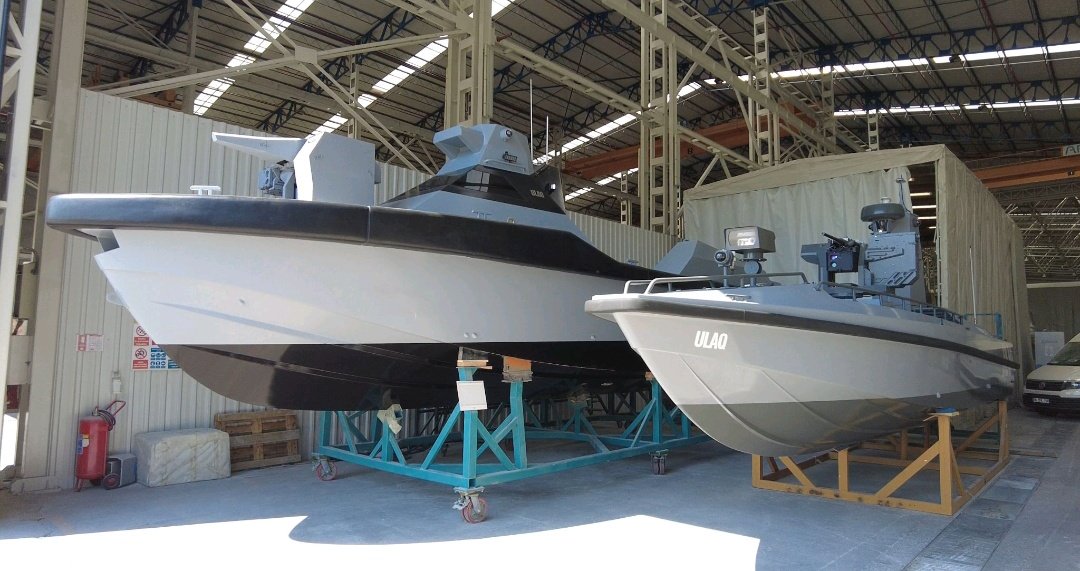
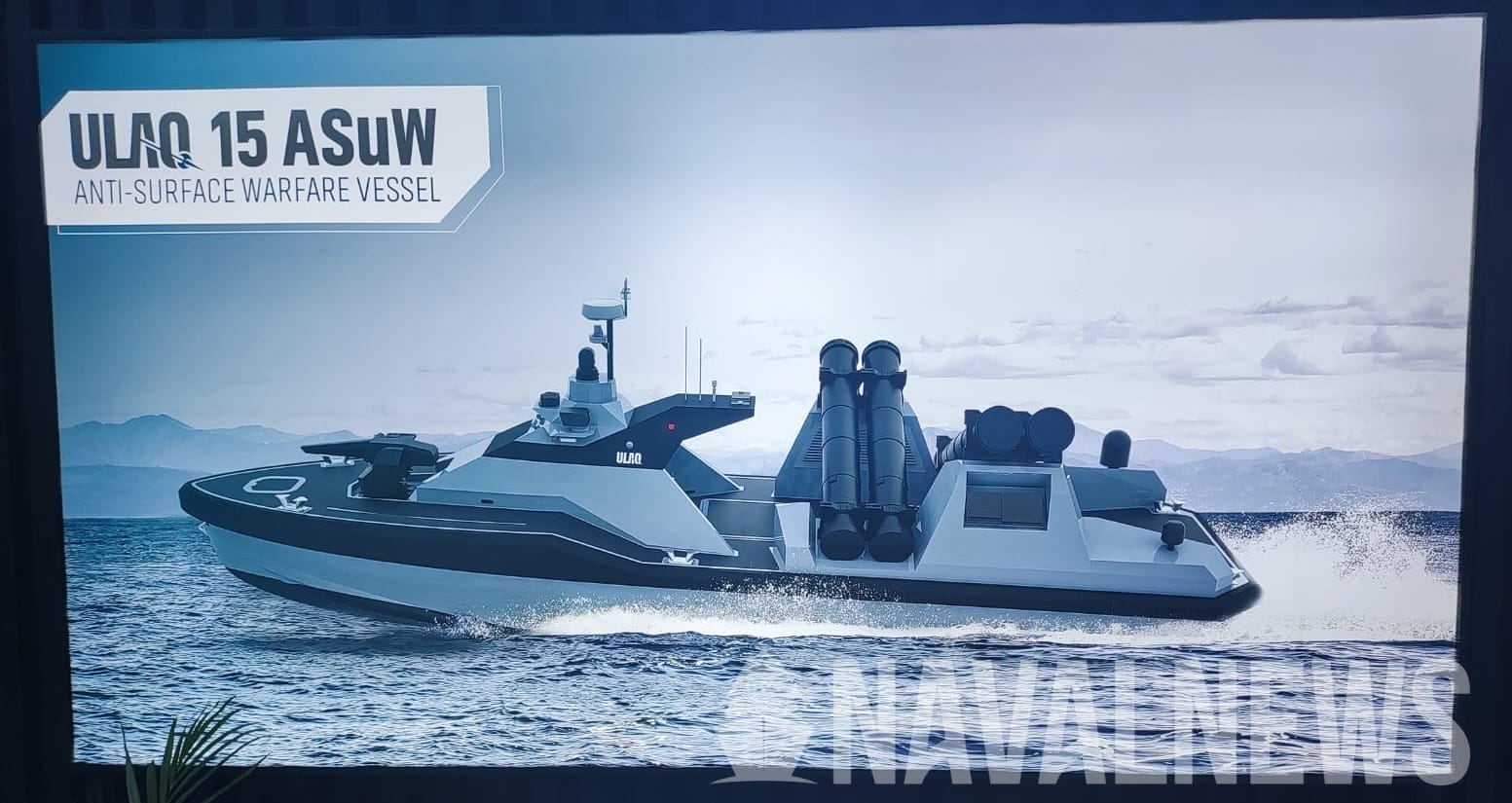
Not long ago, the Turkish Ministry of Defense announced that it had carried out the world’s first joint operation of unmanned surface ships and drones. It is reported that the operation was set near the Eastern Mediterranean. A 22-meter-long target ship was first detected by the Bayraktar TB2 drone. The target information was then transmitted to the Albatros-S, which consists of 8 Albatros unmanned boats. A group of surface ships, one of which sank the target ship.
In recent years, the development of unmanned equipment has entered the fast lane. Generally speaking, the advantages of drones are large search range and long communication distance, but their limitation is short endurance time; the advantage of unmanned boats is long endurance time, but small search range and short communication distance. UAV and UAV cooperative operations can combine the advantages of both to form an air-sea three-dimensional collaborative system to enhance the ability of unmanned systems to complete complex tasks. In the absence of manned vessels such as frigates, destroyers, and conventional submarines, the effective collaboration of drones and unmanned boats can carry out intelligence, surveillance, reconnaissance, attack and other tasks for a long time.
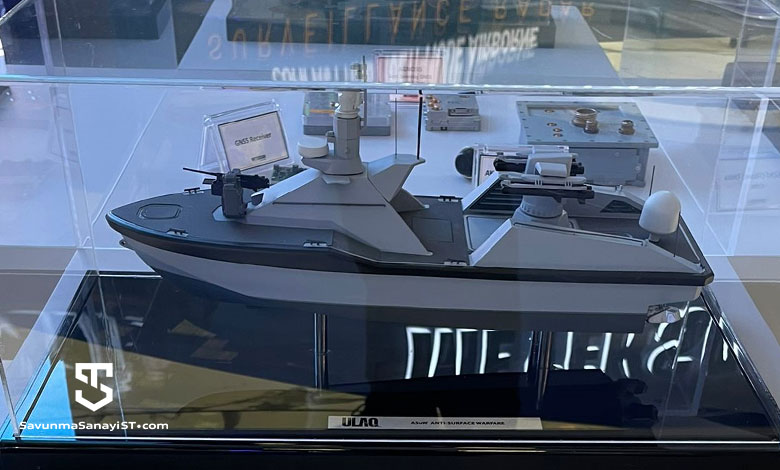
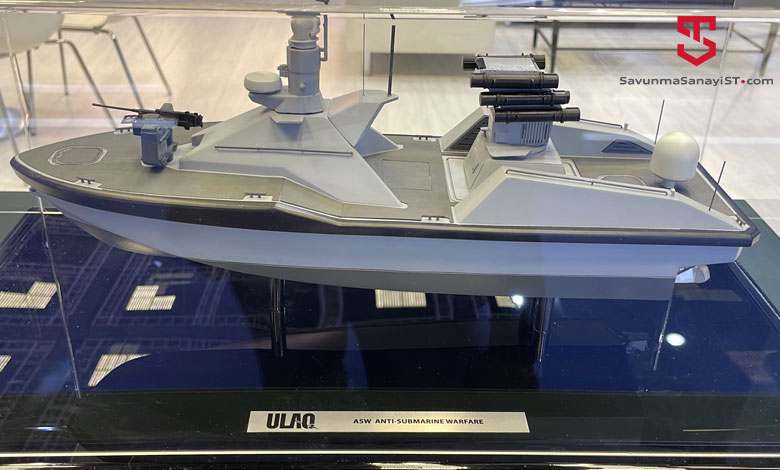
The application prospects of UAV-boat collaboration are very broad. Theoretically, where drones can be used in water combat areas, it is possible to achieve coordinated operations between aircraft and boats. Therefore, countries around the world have invested in the research and development of corresponding equipment and technologies for UAV and boat collaboration, and have verified the operability of the concept of UAV and boat collaborative operations. In this test, Turkey used the Bayraktar TB2 drone developed by Baykar Company and the Albatros unmanned boat developed by Aselsan Company.
For UAVs and boats to cooperate in combat, the combat platform must first have the ability to communicate beyond visual range. The TB2 UAV communication range is 300 kilometers, and the Albatross UAV is equipped with a radio frequency communication system, a narrowband satellite communication system and a 4.5G/LTE communication system for short-range and over-the-horizon command and control within the group.
The ability of autonomous collaborative control is the key to collaborative operations of UAVs. TB2 can achieve safe and autonomous flight operations. Its sensor fusion algorithm has an inertial navigation system, which can achieve precise navigation and automatic landing even without global positioning signals. The Albatross UAV can operate in a swarm formation or independently navigate and perform missions. Its control system can adjust navigation according to different formations, avoid obstacles, and can complete the mission even when the number of swarms may be reduced; At the same time, tasks can also be allocated autonomously among clusters, and its autonomous capabilities extend to task planning, task allocation, sensor fusion and dynamic route planning, allowing autonomous adjustments or ending tasks according to various surrounding environmental conditions.
Taken together, Turkey's coordinated attack by drones and unmanned boats reflects a new way of coordinated operations of unmanned systems in future sea and air battlefields, such as using drones to detect and capture targets, and unmanned boat clusters to carry out attacks. Of course, cooperative operations between drones and unmanned boats also face some practical problems: limited by the level of energy technology, the duration of coordinated operations is restricted, artificial intelligence and algorithm capabilities limit the number of controllable unmanned systems, and UAVs and unmanned boats Communication between manned vessels is susceptible to interference, and unmanned vessels can carry limited ammunition on a single platform, etc.
www.81.cn