

This is what we are dealing with in Turkiye. High treason at the highest levels of the state.

Latest Thread

The problem arises from their core ideology; Islamists don't see foriegn policy through the lens of national interest, but from the lens of Ummah. When you are that blindly dedicated to certain ideology you can be tricked into making decisions by coaxing from foreign intelligence assets into acting against your national interests and weaken yourself, when in the meanwhile you think you're doing something worthwhile for your Ummah. This is why it's such a blind spot for him that he brags about his actions.
This is what we are dealing with in Turkiye. High treason at the highest levels of the state.


ah, c’mon! This story “based on” From Russia With Love (1963).Yerevan websites are reporting the arrest of an Armenian diplomat at Schvartnes Airport. The consul is accused of spying for Azerbaijan. According to local websites, Ashkhen Aleksanyan, who served as Armenia's consul in Austria, had an affair with an Azerbaijani, allegedly a spy, and passed on Armenian state secrets to him.
It's worth noting that, according to almost all Armenian commentators, falling in love with an Azerbaijani is a more serious crime than spying for an enemy state
The identity of the Azerbaijani James Bond who captured the heart of the Armenian beauty remains unknown.
Ashkhen (Aşkın?) Aleksanyan
View attachment 78342

 )..... and somehow diamond wing design is reappearing in diffrent forms in some 6. gen ?? and does this diamomd wing fall under trapezoidal wings catagory which seems quite an inclusive & overarching catagory? @Nilgiri @Yasar_TR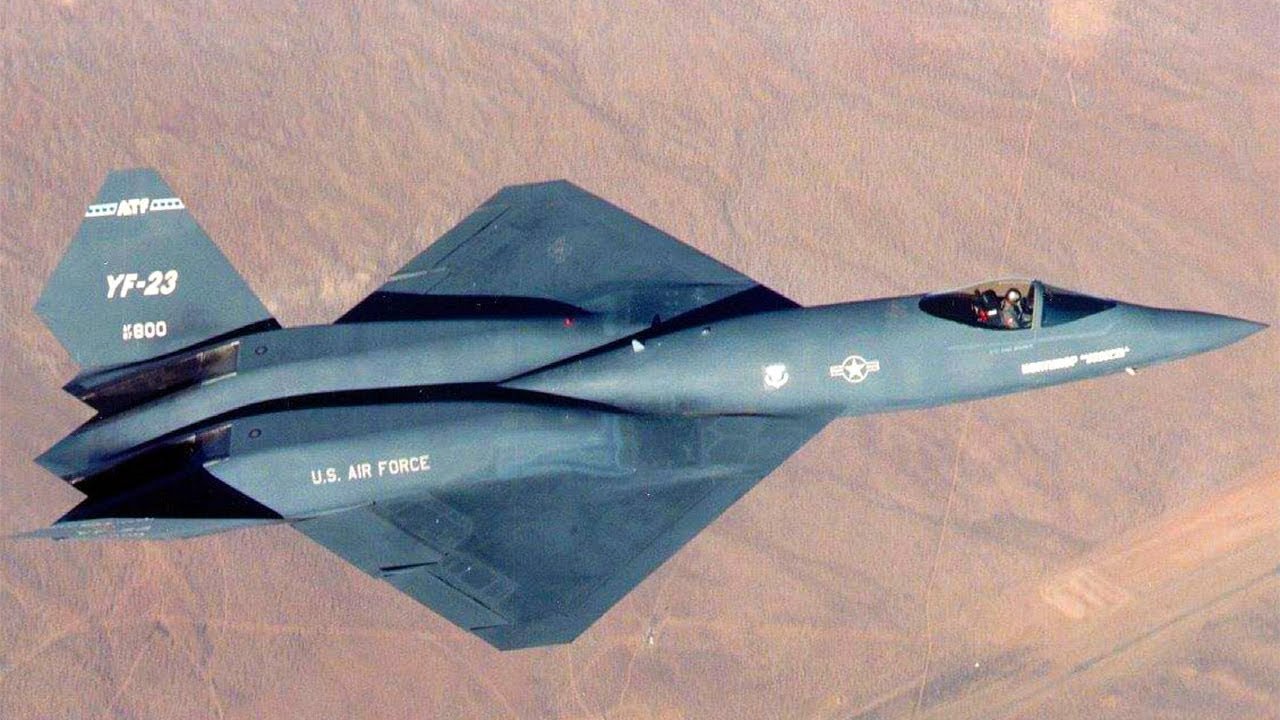

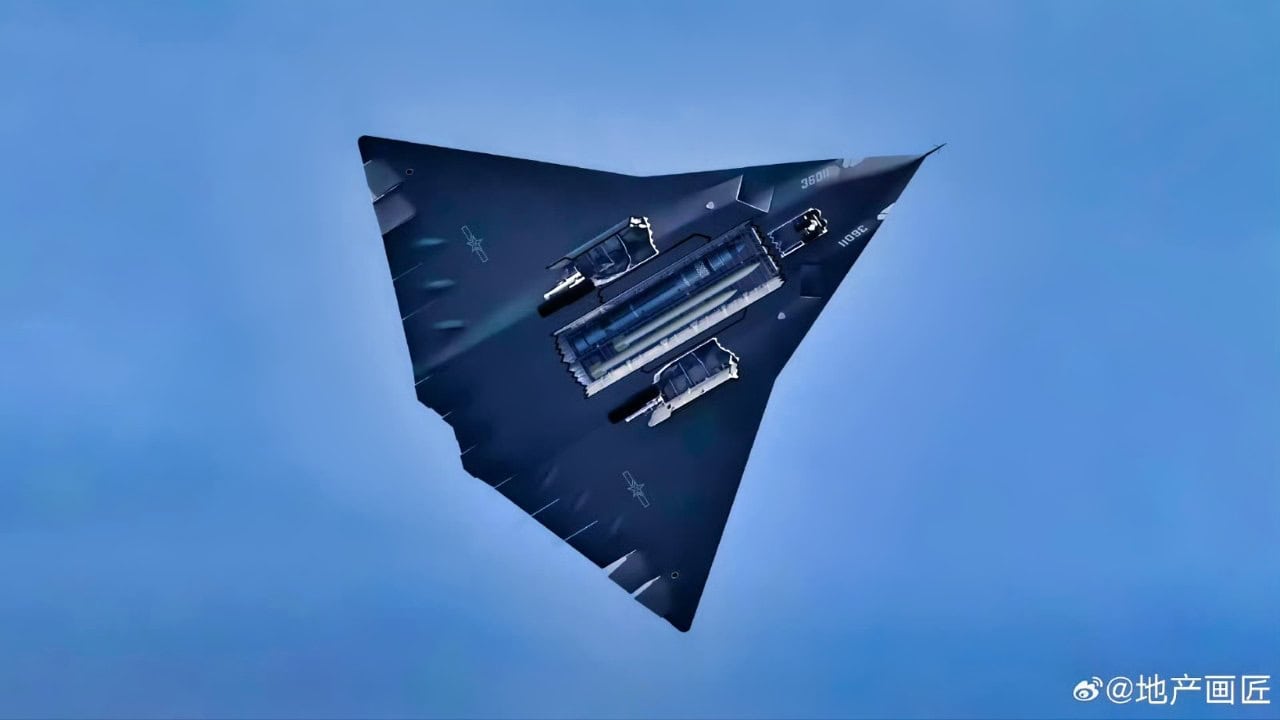

why Northrop YF 23's diamond wing design has been quite a rare choice? Eventhough it may have quite an old background (1950s) like Northrop N-65 (guess Northrop had some long standing obsession with diamond wing designs

A detailed explanation to your question is best to be given by an aerospace and aircraft design engineer. Since I am neither, as an engineer and an enthusiast of flying machines, without going in to too much detail, I can simply say that a diamond wing is best at lower speeds and a delta wing is best in higher speeds. Neither are perfect. For example the Delta winged planes must overcome some of its deficiencies by introducing canards and other small swept surfaces. Quite often a hybrid use of both can be best for the result the design engineer wishes to attain.why Northrop YF 23's diamond wing design has been quite a rare choice? Eventhough it may have quite an old background (1950s) like Northrop N-65 (guess Northrop had some long standing obsession with diamond wing designs
Dem party has a say on defence spending. Are you happy akp and mhp? Also chp cowards you guys are the most useless opposition.
.
yes yes everything is fault of CHP and it has nothing to do with you who are one of the architect of our current situation as if i forget your activities during election. typical islamist like a child NEVER take a responsibility for their own actions. as for CHP both KK and imamson declared their are in favor of creation of Kurdistan. KK in his recent video urge özgur özel to go join the MPs visiting öcalan and imamson made a interview with fatih altayli from prison were he and murat emir defended the creation of kurdistanThey want to release OE abdullah ocalan but I think they are delaying it or secretly releasing him.
They cant announce it because of the backlash. Erdogan knows deep down he cant crush every protest as the recent protests have shown even if the protest die down tensions are still there he knows his doing whatever he can to stay in power even at the cost of licking the EU and the USA hence why he allowed the Pope to do his mass to celebrate council of nicea.
Dem party has a say on defence spending. Are you happy akp and mhp? Also chp cowards you guys are the most useless opposition.
Turkiye is fcked in the long run. Ama Erdogan will now be complaining why is the generation becoming Dinsiz. Being religious doesnt mean they worship you sayin erdogan.
Yes,Turks have become lazy.Are Turks in Turkey going to wait until they start getting massacred again before they wake up and bring the rope out?


