• Forum restore complete (see latest announcement thread)

Bangladesh News Bangladesh Economy & Development

Isa Khan

Experienced member
Moderator
Messages
8,079
Reactions
76 11,222
Nation of residence
Bangladesh
Nation of origin
Bangladesh
State-owned Bangladesh Petroleum Exploration and Production Company Ltd (BAPEX) has launched a fresh exploration drive at Mobarakpur in Pabna, hoping to tap commercially viable gas reserves after an earlier attempt was halted over technological limitations.

BAPEX is preparing to drill beyond 6km at the site with a Chinese contractor, as repeated seismic surveys have indicated significant gas potential, said officials.

Site development is underway at Kuripara village in Ahmedpur union of Sujanagar upazila, with drilling scheduled to begin in mid-June 2028.

An earlier BAPEX project in 2014, costing Tk 89 crore, targeted 4.5km but was suspended due to high gas pressure and technological constraints.

“When the project began in 2014, our target depth was 4.5km. However, high gas pressure forced us to suspend operations. Deeper exploration required technology we lacked at the time,” said Md Shoyeb, director of Production, Sharing, Operations and Mines at Petrobangla.

“Building on that experience, we have partnered with a Chinese company to drill deeper than 6km at the site,” he said.

The Executive Committee of the National Economic Council recently approved a Tk 1,136.25 crore project for three deep exploration wells -- Shrikail Deep-1, Mobarakpur Deep-1 and Fenchuganj South-1. The government will provide Tk 909 crore as a loan and BAPEX Tk 227.25 crore.

BAPEX expects extraction to begin by late 2028 if drilling goes smoothly, with projected production of at least 20 million cubic feet of gas a day for 20 years.

Petrobangla conducted 2D seismic surveys at Mobarakpur in 1980-81 and 1983-84, while BAPEX conducted further surveys in 2006-07 and 2007-08. All indicated gas prospects.

SAM Merajul Alom, project director of Mobarakpur Deep-1, said land acquisition and site preparation were underway.

In May, BAPEX signed a $59.47 million agreement with CNPC Chuanqing Drilling Engineering Company Ltd to drill Shrikail Deep-1 in Cumilla and Mobarakpur Deep-1. CCDC has started work in Cumilla and will move to Pabna after completing it.

Six acres of land in Ahmedpur Mouja were acquired and handed over to BAPEX in March, said Sujanagar UNO Mir Rasheduzzaman Rashed.

“We have initiated a Tk 5.5 crore piling project for site preparation, which began on July 27 and is expected to be completed by December,” said BAPEX site engineer Md Kamrul Islam.


Two power sector projects were also approved: construction of a 100 MW solar power plant at Madarganj in Jamalpur and expansion and strengthening of electrical infrastructure in the Desco area of Dhaka.

The Ecnec further approved an infrastructure development project for Ramu Cantonment under the Ministry of Defence.


Isa Khan

Experienced member
Moderator
Messages
8,079
Reactions
76 11,222
Nation of residence
Bangladesh
Nation of origin
Bangladesh

Two service bridges of the Dhaka-Ashulia Elevated Expressway project were opened to traffic on Wednesday, offering an alternative route between Dhour and Ashulia and easing traffic congestion in the area.

The bridges will remain toll-free both for now and future, project director Md Shafiqul Islam said.

The service bridges, which are separate from the main elevated expressway, are meant for pedestrians, cyclists, auto-rickshaws and other vehicles mainly from the local areas.

Road transport and bridges minister Sheikh Rabiul Alam inaugurated the bridges at a ceremony at the Ashulia end.

The two-lane service bridges, each 3.71-kilometre-long, will serve traffic in opposite directions—one from Dhour to Ashulia and the other from Ashulia to Dhour.

‘The main elevated expressway will have four lanes,’ Shafiqul said, adding that the opening of the service bridges would allow the construction work of the main elevated section to progress in the area.

The construction of the 24-kilometre expressway from Hazrat Shahjalal International Airport to the Export Processing Zone via Ashulia began on November 12, 2022.

The overall progress of the project stood at 72 per cent in July, while physical progress was 66 per cent. The project is scheduled for completion by June 2028.

The minister said that the expressway would ensure faster and smoother connectivity between Dhaka and the northwestern part of the country.

He identified utility relocation as a major challenge to the project, saying that the government aimed to complete another major section by December and bring the main project close to completion within the following year.

Bridges Division secretary and Bangladesh Bridge Authority executive director Mohammad Abdur Rouf presided over the ceremony with state minister for shipping Razib Ahsan and lawmakers SM Jahangir Hossain and Dewan Mohammad Salahuddin Babu being present, among others.

The project was approved in November 2017 at an estimated cost of Tk 16,901 crore and was revised to Tk 17,553 crore in June 2022.

Under its second revision in July this year, the Chinese-funded project cost increased to Tk 27,045.6 crore, mainly due to devaluation of the taka, re-engineering of the expressway over the Turag River, adjustments along the Dhaka-Tongi railway transit corridor and addition of new components.


Isa Khan

Experienced member
Moderator
Messages
8,079
Reactions
76 11,222
Nation of residence
Bangladesh
Nation of origin
Bangladesh
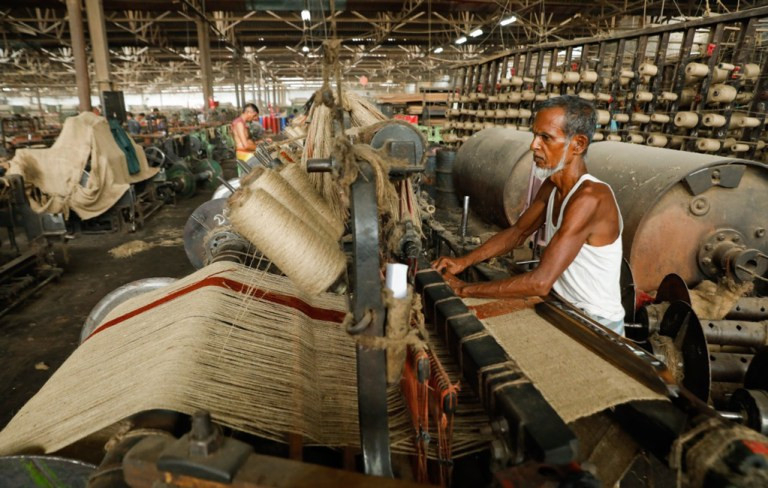
Shah Agro Ltd, a concern of Abul Khair Group, has reopened four private jute mills in Faridpur and Kushtia. The move creates jobs for around 15,000 people.

The four mills are Razzaque Jute Industries, Dahmashi Jute Industries and Faridpur Jute Fibres in Faridpur, and Kushtia Jute Industries in Kushtia.

The move marks Abul Khair Group’s entry into the jute products business, as the group chose to revive idle factories rather than build new ones.

Notably, the revived mills will export around 80,000 tons of jute yarn and other jute products annually. It is also targeting exports worth around Tk1,500 crore in jute yarn and other jute products by December 2026.

Shah Agro has not acquired ownership of the four mills. Instead, it is providing working capital and managing production and marketing while using the existing factory buildings, machinery and other facilities.

An Abul Khair Group official said Shah Agro is supplying raw jute, overseeing production and marketing finished products to overseas buyers.

Production at all four mills has resumed over the past six months, with some products already being exported to Turkey, China and other international markets.

Sheikh Shabab Ahmed, Head of Corporate Affairs and legal at Abul Khair Group, said the capital-intensive nature of the jute products business influenced the decision to work with existing closed mills.

He said the group has also applied to take over three to four government-owned closed jute mills as part of its plan to expand in the sector.

The group also plans to move beyond conventional jute products and develop higher-value, value-added jute products in the future.

Shabab Ahmed said Bangladesh produces high-quality jute and that demand is increasing for jute as an environmentally friendly alternative to synthetic materials.

He added that the group expects its investment in jute products to contribute, directly or indirectly, to improving the livelihoods of jute farmers.


Amid the ongoing energy crisis and a strong government push for renewables, industrial conglomerates Walton and PRAN-RFL are establishing local manufacturing units for solar inverters and lithium-ion batteries. Walton is also planning a dedicated solar panel manufacturing facility.

The initiatives aim to reduce import dependency and build an end-to-end domestic solar power supply chain, officials from both business groups told The Business Standard.

Simultaneously, the two groups plan to invest in small, medium, and large-scale solar power projects nationwide under a capex model – supplying equipment while providing operation and maintenance services to public and private sector clients.

According to officials from the Prime Minister's Office and both conglomerates, the projects gathered momentum following a 1 August meeting with private-sector entrepreneurs, where Prime Minister Tarique Rahman urged businesses to invest heavily in renewable energy.

PRAN-RFL's manufacturing and generation expansion

Kamal Kamruzzaman, marketing director at PRAN-RFL Group, stated that work has commenced on a $1 million solar inverter manufacturing plant at Palash in Narsingdi.

"The plant is expected to begin production within three to four months, with a capacity to manufacture up to 1,000 inverters monthly in the 1kW-5kW range alongside storage batteries," Kamruzzaman said. He added that PRAN-RFL plans to establish a second inverter facility in Habiganj with an investment of approximately $4 million.

PRAN-RFL has invested around Tk100 crore in solar energy to date, generating 40MW. It aims to scale generation capacity to 100MW by the end of this year.

1790008334086.png


"We have aligned our investments to meet 100% of PRAN-RFL Group's electricity demand from solar power by FY28," Kamruzzaman noted. By then, the group's total demand is projected to reach 250MW, with solar generation capacity planned to match or exceed that requirement.

Once local production begins, PRAN-RFL intends to expand its installation and maintenance services for third-party commercial and residential clients, as well as compete for government projects through public tenders.

Walton steps up production capabilities

Walton has commenced setup of a solar inverter manufacturing plant at Chandra, Gazipur. It has also completed a lithium-ion battery plant, which is slated to begin commercial production within a month, according to Md Nazmul Islam, executive director and head of Electrical and Renewable Energy at Walton Group.

Walton currently imports ARC inverters from China as an original equipment manufacturer (OEM), branding them locally.

In a written response, Walton confirmed that setting up local lithium-ion battery, solar inverter, and solar panel production facilities is designed to build domestic resilience, lower carbon emissions, and generate industrial employment.

$15m inverter imports annually

In a solar power system, photovoltaic cells in solar panels convert sunlight into direct current (DC) electricity. An inverter converts the DC electricity into alternating current (AC), which can power household appliances and feed surplus electricity into the national grid.

Bangladesh currently has no local solar inverter production. Most inverters are imported from China, Japan and India, with annual imports worth around $15 million. According to the NBR, Bangladesh imported 429.4 tonnes of solar inverters between December and May.

Lithium-ion batteries store electricity generated by solar panels for use when sunlight is unavailable. Systems ranging from household rooftop installations to large solar plants can store daytime generation for use at night or during peak demand.

To encourage local manufacturing, the government has reduced duties on imported raw materials for inverters, batteries and solar panels to 1%. By contrast, commercial imports face duties of around 28% on inverters, 63% on solar panels, and 29% on batteries.

The government has also set a target of generating 4,000MW of solar power by the end of this year and 10,000MW by 2030. It has recently announced a net-metering system under which solar power producers will be able to sell surplus electricity to the national grid at Tk10.50 per unit, including an additional profit incentive.

End-to-end support

Industry stakeholders expect demand for solar panels, inverters and lithium-ion batteries to rise amid power shortage, government incentives, and duty concessions. Although households have installed solar panels for years, limited maintenance and after-sales services have discouraged wider investment.

Walton and PRAN-RFL now plan to offer end-to-end support to individuals and businesses interested in installing solar power systems. Under the model, customers will finance the investment while the companies will install the plants and provide maintenance if contracted. Customers can also maintain the systems themselves.

The groups are also seeking opportunities to build solar power plants for government agencies. They will have to compete through public tenders to secure such projects.


1790008402542.png


Highlights:
  • Electrical exports rose 23.82% to a record $206.19 million
  • Electrical products became Bangladesh's largest engineering export earner
  • EU sustainability rules are increasing traceability and compliance demands
  • Imported components make carbon-footprint tracking particularly difficult for manufacturers
  • Walton and Vision are upgrading systems for European standards
  • Industry seeks government support to strengthen global competitiveness

Bangladesh's electrical and electronics exports are gaining momentum, with shipments of electrical products rising nearly 24% in FY2025-26, even as manufacturers seek to keep pace with increasingly demanding sustainability, traceability, and product-compliance requirements in the European Union.

According to the latest Export Promotion Bureau (EPB) data, exports of electrical products increased 23.82% from $166.52 million a year earlier, reaching a record $206.19 million.

The category was the largest earner among engineering products, surpassing bicycles, which earned $151.04 million, up 29.71%.

Engineering exports overall rose 21.77% to $652.15 million, underscoring the growing contribution of electrical and electronics products to Bangladesh's export diversification.

The growth comes as the European Union introduces new sustainability requirements through its Ecodesign for Sustainable Products Regulation (ESPR) and Digital Product Passport (DPP) framework.

The ESPR entered into force in July 2024, introducing requirements for DPPs and product durability, as well as a ban on destroying certain unsold goods.

The ESPR does not immediately require every electronic product to carry a DPP. Instead, product-specific requirements are being introduced through delegated acts. Where applicable, manufacturers will need to provide information on materials, components, environmental characteristics, durability and repairability.

For Bangladesh, this could prove challenging as manufacturers remain dependent on imported components and raw materials, making supply-chain traceability more difficult.

Industry races to prepare

Mohammad Ali, senior vice-president of the Bangladesh Electrical Merchandise Manufacturers Association (Bemma), said the association was preparing its members through workshops covering product origin, warranties, after-sales service, repairability, and documentation.

"We are already working on a product basis, product origin, product warranty, and after-sales service – whether a product is repairable or not," he said.

But the sector still lacks adequate testing infrastructure, Ali said.

Bemma has approached the commerce and industries ministries several times for support in establishing facilities capable of testing electrical products against European and other Western-market standards.

"For the electrical sector, we think there should be an individual common facility centre," he said.

Such a facility could particularly benefit smaller manufacturers that are beginning to explore export markets.

Imported inputs pose traceability challenge

Supply-chain traceability remains another hurdle, particularly because many manufacturers source components and raw materials from China and Vietnam.

"Most of the raw materials we are importing are from China or Vietnam. In that case, it is actually totally difficult to identify the carbon footprint," Ali said.

Bemma members that have traditionally focused on the domestic market face a steeper learning curve as they move towards exports, he said.

Walton says it can adapt

For leading exporter Walton, adapting to changing international standards is not new.

Syed Al Imran, executive director of Walton Hi-Tech Industries, said the company had repeatedly upgraded its systems as overseas requirements changed, citing the transition from manual registration to the digital Registered Exporter (REX) system and changes in European energy-efficiency ratings.

"When A+++ changed to A, B, C, D and E, Walton instantly upgraded," Al Imran said.

He attributed the company's ability to respond quickly partly to its vertical integration, with Walton manufacturing many of its own parts and components.

Another advantage is Walton's NUSDAT-UTS laboratory, which provides testing and certification services, including CB certificates, he said.

Walton previously had to send refrigerators to India for testing, but NUSDAT-UTS reports are now accepted for the relevant Indian star-rating process, eliminating the need to send products abroad, Al Imran said.

When new requirements emerge, Walton can work with NUSDAT-UTS and partner laboratories to identify necessary upgrades and implement them, he added.

Vision prepares for European entry

PRAN-RFL Group's Vision Electronics is also preparing to enter the European market.

The company currently exports across South Asia, Southeast Asia, Oceania and Africa, while Europe remains a strategic target.

For refrigerators and air conditioners, Vision is redesigning its product architecture to meet European quality, safety and eco-design requirements. It has already secured G-Mark certification for its air-conditioner line for the Middle East.

The company is integrating ERP systems to track raw-material origins, chemical compliance and sub-assembly batches. It is also digitising bills of materials and working with consultants to measure Scope 1, 2 and 3 emissions at its Habiganj and Danga industrial parks.

Its R&D team is moving towards modular PCB designs and quick-release compressor and fan-motor mounts to facilitate repairs and component replacement.

Vision is also replacing some non-recyclable composite plastics with single-grade polymers such as ABS and HIPS, while planning for the long-term availability of key spare parts.

Policy support needed

Bemma says stronger government support is needed to help the broader industry compete internationally.

Ali called for incentives, back-to-back letters of credit and duty relief on imported raw materials, similar to support mechanisms available to the garment sector.

"If we get this kind of government backup in the electrical sector, I think electrical and electronics can be the most promising sector over the next 10 years, even more promising than RMG," he said.

The senior vice-president also urged the commerce, industries and finance ministries to hold sector-specific discussions with electrical manufacturers.

A more immediate regulatory deadline concerns batteries. Under the EU Batteries Regulation, an electronic battery passport will be mandatory from 18 February 2027 for electric-vehicle batteries, industrial batteries above 2kWh and light means of transport batteries placed on the EU market.

For Bangladesh's rapidly expanding electrical and electronics industry, the challenge is moving beyond producing competitive goods to being able to prove how they are made, tested, sourced and repaired.

Bangladesh currently exports a range of consumer electronics and appliances, including televisions, refrigerators, freezers and air conditioners, as well as electrical equipment such as power transformers, electric cables and insulated wires, switches, sockets, circuit breakers and LED lighting solutions.

The export basket also includes rechargeable batteries, transistors and semiconductor devices, along with eco-friendly bicycles and other light mechanical components.

With electrical exports growing at a double-digit rate, manufacturers that build these capabilities early could be better positioned to turn the sector's export growth into a sustained foothold in major global markets.


Highlights:
  • New well Titas-28 costs around Tk200 crore to drill
  • Govt plans to drill 150 wells by 2030
  • Drilling of 27 wells is already underway
  • Three more Titas wells could add 45mmcfd
  • Govt seeks to reduce reliance on costly imported LNG
A new well at the Titas Gas Field in Brahmanbaria has started supplying 12.5 million cubic feet (mmcfd) of gas per day to the national grid, offering a modest boost to domestic production amid an ongoing supply shortage.

Bangladesh Gas Fields Company Limited (BGFCL) began supplying gas from the Titas-28 well following its formal inauguration today (19 September) by State Minister for Power, Energy and Mineral Resources Aninda Islam Amit.

Speaking at the inauguration, the state minister said the addition of 12.5mmcfd from the well was encouraging at a time when the country was facing an energy crisis.

"We have taken an initiative to drill 150 wells by 2030 to become self-sufficient in energy. Drilling of 27 wells is already underway. Titas-28 is one of them," he said.

He said three more wells are planned at the Titas field. If drilling is successful, they are expected to add another 45mmcfd of gas to the national grid.

The state minister said the government is working to increase domestic gas production as imported LNG has become increasingly expensive.

"We are buying LNG at two to three times the price we used to pay. We do not have the capacity to bear this cost," he said.

He also said domestic gas companies had remained neglected for around one and a half decades, limiting their ability to contribute to the country's energy supply.

"We have now created opportunities for these institutions to work. That is why they are being able to demonstrate their capabilities," Amit said.

The government is also working to strengthen state-owned Bangladesh Petroleum Exploration and Production Company Limited (Bapex) to increase domestic gas production, he said. Two drilling rigs are currently being procured, while another is also planned.

Local officials are also being trained so they can undertake exploration and drilling activities based on their skills and competence, he said.

Abdul Jalil Pramanik, managing director of BGFCL, said increasing local gas production is a priority as the country faces a major gas supply problem.

"Titas-28 is one of our initiatives to increase domestic gas supply. It is a shallow well. Our target is to increase gas supply through drilling deeper wells," he said.

He said drilling of the Titas-31 well is currently underway and described it as the country's deepest well drilling project.


he Bangladesh Power Development Board (BPDB) plans to build a 442 MW solar power plant on unused land adjacent to the 1,320 MW Rampal thermal station in Bagerhat, at an estimated cost of BDT 24.98 billion. BPDB recently submitted its Development Project Proposal (DPP) to the Planning Commission.

The 685-acre site was originally earmarked for the second phase of the Rampal coal plant but lay idle after the previous Awami League government adopted a policy against building new coal-fired power stations. BPDB now plans to install the 442 MW DC solar plant on the site.

Work is scheduled to run from September of the current 2026–27 fiscal year to June 2029. BPDB will provide BDT 3.74 billion from its own resources, while the remaining BDT 21.24 billion will come from the Power Sector Development Fund. The estimate is based on an exchange rate of BDT 123 to the US dollar.

The 1,320 MW coal plant at Rampal is operational and run by Bangladesh-India Friendship Power Company Limited (BIFPCL), a joint venture equally owned by India’s state-owned NTPC and Bangladesh’s BPDB.

Policy approval for the adjacent solar project was granted at a ministerial meeting after the Planning Commission sought clearance from Finance and Planning Minister Amir Khosru Mahmud Chowdhury.

Two senior Industry and Energy Division officials told Bonik Barta on condition of anonymity that the division sought the minister’s clearance because of past controversies surrounding the Rampal plant. Verbal approval was granted, but a Project Evaluation Committee (PEC) meeting has yet to be held, they said.

BPDB remains a loss-making entity and relies on substantial government subsidies to cover its power purchases. Asked where the financing for a large-scale solar power project would come from under such circumstances, Planning Commission officials said the PEC meeting would scrutinise the project’s funding structure and cost estimates.

“We have past experience with the costs of building solar power plants and with power purchase arrangements. So any additional costs built into the project will inevitably come under scrutiny,” one official said.

According to the proposal, BPDB’s generation cost is projected at BDT 2.94 per kilowatt-hour, against a viable tariff of BDT 6.33 and a regulated selling rate of BDT 8.39 set by the Bangladesh Energy Regulatory Commission.

BPDB Chairman Md Rezaul Karim confirmed to Bonik Barta that the utility would use the long-idle site.

“The land was acquired for the second phase of the thermal plant but remained unused after environmental concerns arose,” he said. “BPDB will now build the solar plant using its own financing.”

The project is part of a government drive to achieve 10,000 MW of solar capacity by 2030. The initiative is backed by waivers on customs duty, regulatory duty, supplementary duty and advance tax for solar-sector components and batteries until 2031.


A new option for Bangladesh’s long-term LNG import infrastructure has been proposed, with Novatek Middle East presenting a $950 million gravity-based structure (GBS) as a cheaper and longer-lasting alternative to a conventional land-based LNG terminal.

The company presented the concept to Petrobangla yesterday. The proposed facility would be built in the Bay of Bengal as a fixed offshore terminal for receiving, storing and regasifying imported LNG (liquefied natural gas), with a regasification capacity of 7.5 million tonnes per annum (MTPA).

According to Novatek’s presentation, the GBS would cost about $950 million, compared with an estimated $1.2 billion for a conventional 7.5-MTPA land-based terminal. This would make the offshore option about $250 million, or 21 percent, cheaper in initial capital costs.

However, the figures are based on the company’s own estimates and have not been independently verified. They have also not been compared with the government’s feasibility study for the planned 7.5-MTPA land-based LNG terminal at Matarbari.

The proposal remains at a very early stage, and Novatek has not yet submitted a formal proposal.

“It was a very preliminary-level presentation. We have learned from them. We would discuss it later with the higher-ups,” a top Petrobangla official told The Daily Star.

1790008685946.png


OFFSHORE STRUCTURE COULD OFFER LONGER LIFE

The main difference between the proposed GBS and a conventional LNG terminal is where the infrastructure is located.

A land-based terminal keeps LNG storage tanks and regasification facilities on the coast, with LNG carriers unloading through marine facilities. A GBS would instead place the storage and regasification facilities offshore on a large reinforced-concrete structure fixed to the seabed. The gas would then be sent to the national grid through a subsea pipeline.

Both systems perform the same basic functions: receiving LNG, storing it, converting it back into gas and supplying it to the gas network.

Novatek has identified deep-sea areas around Moheshkhali and Matarbari as possible locations.

The company estimates that a GBS could be built in 30 to 36 months and have a design life of 60 to 80 years. A conventional land-based terminal would take about 48 to 60 months to build and have a design life of 40 to 60 years.

An FSRU (floating storage and regasification unit), meanwhile, could be deployed in 24 to 30 months but would have a design life of only about 15 years, according to the presentation.

Bangladesh currently imports LNG through two FSRUs at Moheshkhali and plans to add a third. The government has also revived efforts to develop its long-delayed 7.5-MTPA land-based LNG terminal at Matarbari.

The GBS proposal could therefore offer another option as Bangladesh faces a persistent gas shortage, declining domestic gas production and growing dependence on imported LNG.

Recent disruptions at the country’s FSRUs have also exposed the vulnerability of LNG import facilities to technical problems and adverse weather. Reduced LNG send-out during such disruptions has further squeezed gas supplies to power plants and industries.

TWO DESIGNS AIM TO WITHSTAND SEVERE WEATHER

Novatek has proposed two GBS configurations. The larger one would have gross LNG storage capacity of about 290,000 cubic metres, while the smaller one would hold about 194,000 cubic metres.

Both would have 7.5 MTPA of regasification capacity, 1 MTPA of LNG bunkering capacity and 42MW of captive power generation capacity. The larger structure would also be capable of receiving the world’s largest LNG carriers, according to the presentation.

Weather resilience is one of the main advantages claimed for the technology. Novatek describes the GBS as a stationary, all-weather terminal with “very high” resistance to cyclones. FSRUs, by comparison, can face operational disruptions from strong winds, high waves and currents.

These claims, however, would need to be tested for the proposed site. The presentation itself calls for a detailed study of weather and marine conditions, including extreme winds, waves, storm surges, currents, seabed conditions and the safe berthing and transfer of LNG carriers.

The main GBS facility would not require coastal land, according to the proposal. Some onshore infrastructure would still be necessary, however, to connect the subsea gas pipeline to the national transmission network.

The technology draws on GBS structures developed by Russia’s Novatek, which has used large concrete gravity-based structures for its Arctic LNG 2 project.

The application in Bangladesh would be different. The Arctic LNG 2 structures house LNG production and liquefaction facilities, while the proposed Bangladesh facility would receive imported LNG, store it and convert it back into gas for domestic use.

‘Virtual pipeline’ and regional hub planned

The proposal also includes a second phase in which small, shallow-draft vessels would transport LNG from the offshore terminal to riverbank facilities near Meghnaghat, Ashuganj, Ghorashal and Bheramara.

Novatek calls this a “virtual pipeline” that could supply major gas-consuming areas without relying entirely on the existing pipeline network.

The idea comes as the government is also exploring the use of ISO tanks from Malaysia to transport LNG to gas-starved areas outside the main gas network.

ISO tanks would carry LNG in standardised cryogenic containers by road or other transport modes and would serve relatively small volumes. Novatek’s proposed system, in contrast, would move much larger volumes using dedicated LNG vessels to riverbank regasification facilities.

Novatek also sees the GBS becoming a regional LNG transhipment and bunkering hub. The presentation identifies potential shipments from Bangladesh to India, Pakistan, Sri Lanka, Vietnam, Malaysia and Indonesia using small and medium-sized LNG vessels.

Novatek has proposed an investment model based on foreign direct investment, but the presentation does not provide details on the commercial structure, tariffs, financing costs or expected investor returns.


British aviation services company, Menzies Aviation, plans to invest more than $12 million in its first year and create over 1,000 direct and 4,500 indirect jobs in Bangladesh if it secures the second ground-handling licence for the third terminal of Dhaka's Hazrat Shahjalal International Airport.

The investment would mainly go towards ground support equipment, technology and training, company executives said at a briefing in Dhaka today.

Menzies also plans to establish a training academy at the airport to train Bangladeshis to international standards, preparing them for jobs at Dhaka airport as well as opportunities across its network of 350 airports in 65 countries.

“We believe, with our business plan, we will in the first year of our operations create over a thousand well-paid jobs that are directly employed by Menzies,” said John Henderson, senior vice-president for operations, Middle East and Asia.

Local supply requirements, including uniforms and other services, could create a further 4,500 indirect jobs, he said.

Charles Wyley, executive vice-president for Middle East, Africa and Asia at Menzies Aviation, said almost the entire Bangladesh workforce would be recruited locally.

“We might have one or two [international employees], but that would be the maximum. Everyone else should be local,” he said.

The jobs would include check-in agents, baggage handlers, equipment operators, customer service, dispatch and finance management positions. New recruits would typically undergo up to a month of training before deployment, Henderson said. The company also plans to work with universities, aviation schools and other educational institutions to develop a trained workforce.

Menzies said Bangladesh could eventually become a source of aviation workers for its overseas operations, particularly in markets where it faces recruitment difficulties.

Tender under way

Menzies is competing for the second ground-handling licence through the third terminal operator consortium.

Wyley said the expression-of-interest process had been completed and the consortium had issued a request for proposals to qualified companies.

He said Menzies understands that four companies have qualified and that one or possibly two may eventually be referred to the Civil Aviation Authority of Bangladesh (CAAB) for licensing.

The company has also met civil aviation authorities and the aviation minister over its proposed Bangladesh operations.

Asked about its chances against other international bidders, Menzies executives declined to discuss competitors’ pricing, saying bids were confidential.

Henderson said Menzies would not call itself the cheapest operator but would compete on “value for money”, safety, service quality and operational performance.

'First bag in 10-15 minutes'

Menzies said its international standard is to deliver the first bag from a wide-body aircraft within 10 to 15 minutes and the last within 40 minutes.

Executives said the third terminal’s automated infrastructure should allow baggage handling to be monitored in real time, from an aircraft to the arrival belt. Service-level agreements and key performance indicators could also allow CAAB to monitor performance hour by hour.

Asked whether another ground handler could reduce airfares, Wyley said ground handling accounts for only a small part of an airline’s operating costs.

“The cost of turning an aircraft is less than the price of one business-class seat,” he said, adding that fuel and other airline operating expenses account for far larger costs.

Henderson said attracting more international airlines to Dhaka and increasing competition among carriers could have a greater impact on ticket prices. Some airline customers, he said, had indicated that an international ground handler could make Dhaka more attractive to them.

Cargo opportunities

Menzies also sees opportunities in Bangladesh’s air cargo sector, particularly because of exports such as garments.

Even if another operator manages the cargo warehouse, the ground handler would be responsible for moving freight from the warehouse to aircraft, the company said. Wyley said Menzies had also offered technology and other services to help improve cargo operations.

Menzies began in Scotland in 1833 and entered the aviation business in the 1990s. It provides ground handling, cargo, aircraft fuelling and passenger services and currently employs more than 65,000 people worldwide.

Asked whether geopolitical considerations or political influence could affect the selection of the ground handler, Sakib Ershad, director of trade and investment at the British High Commission in Bangladesh, did not directly address the question.

“We’re very confident in the Menzies proposal, and they have set out very clearly [what it offers] for Bangladesh, and we’re very thankful for that,” he said.


Isa Khan

Experienced member
Moderator
Messages
8,079
Reactions
76 11,222
Nation of residence
Bangladesh
Nation of origin
Bangladesh
The government yesterday signed a $1 billion loan agreement with the Islamic Development Bank (IsDB) to build the second unit of the Eastern Refinery project, the country’s lone crude oil refinery.

The Tk 31,057 crore project will be implemented by the Bangladesh Petroleum Corporation (BPC) and is expected to be complete by November 2030.

Once completed, Eastern Refinery will gain an additional capacity to refine 30 lakh tonnes of crude oil annually, enabling the country to meet around 45-50 percent of its petroleum product demand.

Proper implementation of the project will increase the BPC’s refining capacity from 1.5 million tonnes to 4.5 million tonnes, reduce dependence on imported refined fuel oil and help strengthen energy security, said a press release from the Economic Relations Division.

The IsDB loan has a 20-year repayment period, including a five-year grace period, with an interest rate of SOFR (secured overnight financing rate) plus 1.6 percent, said officials.

The loan agreement was signed at the Cabinet Division of the Bangladesh Secretariat in the presence of Prime Minister Tarique Rahman and IsDB Group President Muhammad Al Jasser.

Plans for a second refining unit for Eastern Refinery were first drawn up in 2010, but the project faced repeated delays over financing and implementation.

According to the annual report of the company for 2018-19, the processing cost of the 53-year-old plant has risen 89 percent in the last decade.

The cost was Tk 630 per tonne in 2009 and it surged to Tk 1,190 per tonne in 2019, it said.

Immediately after the signing ceremony, IsDB Group President Al Jasser called on Tarique and expressed the bank’s commitment to supporting Bangladesh’s development priorities.

Speaking at the ceremony, Tarique described the agreement as a “statement of confidence” by IsDB in Bangladesh.

Bangladesh is increasingly focusing on IsDB and its affiliated institutions as reliable sources of development financing.

The government’s goal is to build a trillion-dollar economy by 2034, describing it as a plan rather than a slogan.

“Our mission is to transform Bangladesh into a manufacturing hub and gateway of the region. Garments built our first growth story. Now we want electronics, pharmaceuticals, light engineering and the green industry to build the next one. We want factories that create jobs and jobs that create dignity,” he said.

Mohammad Mizanur Rahman, additional secretary of the Economic Relations Division, and Anasse Aissami, director general of Country Programmes at IsDB, signed the agreement on behalf of the government and IsDB, respectively.


The government has approved the appointment of Indonesia’s PT Pertamina Trans Kontinental as the operations and maintenance contractor for Bangladesh’s Single Point Mooring system at a cost of Tk1,946.22 crore.

The approval was given at the 46th meeting of the Cabinet Committee on Government Purchase on Wednesday. Finance minister Amir Khosru Mahmud Chowdhury chaired the meeting.

The proposal was placed by the Energy and Mineral Resources Division, while Bangladesh Petroleum Corporation will implement the contract.

The SPM is designed to unload imported crude oil and refined petroleum products from vessels at sea and transport them to onshore storage facilities through pipelines.

China Petroleum Pipeline Engineering Company Ltd was awarded the contract in 2015 for implementing the SPM project with double pipelines at Maheshkhali in Cox’s Bazar without competitive bidding at a cost of Tk 4,936 crore.

The company handed over the completed mooring infrastructure to BPC in August 2024 after a number of revisions pushing up the project cost to Tk 8,341 crore.

Built on 90 acres of land, the facility features a 36-inch-wide pipeline that transports crude oil from the mooring point to storage tanks with an overall 2.4 lakh tonnes capacity at Kalamarchara in Matarbari.

The oil is then moved 220 kilometres to Eastern Refinery Limited at Patenga in Chittagong through an 18-inch-diameter pipeline.

The SPM is expected to reduce the time required to unload imported oil to about 48 hours from 11–12 days using lighterage vessels.


The government has planned a Tk16,955 crore project to upgrade the Laksam-Chattogram rail link to dual gauge, aiming to facilitate the movement of goods and containers and boost domestic and international trade through Chattogram and Matarbari ports.

The project will convert the existing 131.20km meter-gauge double track into dual-gauge double track, allowing both meter- and broad-gauge trains to operate on the route, according to a railway ministry project proposal seen by The Business Standard.

The initiative is expected to facilitate the movement of goods and containers from Chattogram Port, Matarbari deep-sea port and economic zones to different parts of the country, according to documents prepared for a Project Evaluation Committee (PEC) meeting of the Planning Commission.

The project, titled "Conversion of Laksam-Chattogram Meter-Gauge Double Track into Dual-Gauge Double Track", also aims to boost domestic and international trade and strengthen Bangladesh's connectivity with the Trans-Asian Railway network.

Of the estimated project cost, Tk14,130 crore will come as a loan from the Asian Development Bank (ADB), while Tk2,825 crore will be provided by the government. Bangladesh Railway will implement the project from 1 July 2026 to 30 June 2032.

Only about 4% of the country's containers are currently transported by rail, according to the PEC documents. The government has set a target of raising the share to 50% and plans to achieve this partly by unifying gauges along the Dhaka-Chattogram corridor.

The corridor will also strengthen Bangladesh's potential rail connectivity with Nepal, Bhutan and India's northeastern region through the Trans-Asian Railway network.

Of the Dhaka-Chattogram corridor, the 22.94km Dhaka-Tongi section and 71.24km Akhaura-Laksam section have already been converted from meter-gauge single tracks into double-track dual-gauge lines.

The remaining 225.85km consists of the 97.01km Tongi-Bhairab Bazar-Akhaura section and the 131.20km Laksam-Chattogram section. The latter remains meter gauge and is the focus of the new project.

Canada-based CANARAIL Consultant Inc has been appointed the lead design consultant, working with SMEC Consultants Pty Ltd of Australia, SYSTRA SA of France, ACE Consultant Ltd of Bangladesh and STRATEGI Consultant Limited.

A technical feasibility study by the consultants found the project financially viable and technically feasible, with social and environmental justification.

Once implemented, the project is expected to increase passenger and freight traffic from Cox's Bazar and Matarbari by connecting with the Chattogram-Cox's Bazar rail link.

Train operating costs on the Laksam-Chattogram section are expected to fall, while speeds could reach 100kmph for broad-gauge trains and 80kmph for meter-gauge trains, reducing travel time.

The project is also expected to ease pressure from freight vehicles on national highways and improve the country's logistics network.


Isa Khan

Experienced member
Moderator
Messages
8,079
Reactions
76 11,222
Nation of residence
Bangladesh
Nation of origin
Bangladesh

Highlights:
  • CPA, DP World sign 15-year concession agreement
  • DP World will operate, maintain, and modernise NCT
  • Agreement includes around Tk600 crore upfront payment
  • DP World to invest Tk1,000 crore over 10 years
  • CPA to receive revenue share and annual fees
  • NCT guarantees minimum annual volume of 1.23m TEUs
  • Full-fledged DP World operations expected within two years

The Chittagong Port Authority (CPA) and global port operator DP World today (8 October) signed a 15-year concession agreement to operate and modernise the New Mooring Container Terminal (NCT) and its Overflow Container Yard, bringing one of the world's largest port operators into Bangladesh's main container terminal.

CPA Chairman Rear Admiral Md Moniruzzaman and DP World Chairman Essa Kazim signed the agreement at the Invest Bangladesh auditorium in Dhaka in the presence of Shipping Minister Shaikh Rabiul Alam, State Minister for Shipping Md Rajib Ahsan, and UAE Ambassador to Bangladesh Abdulla Ali Al Hamoudi, among others.

Essa Kazim also led a delegation at a meeting with Prime Minister Tarique Rahman today to discuss expanding trade and investment between Bangladesh and DP World.

Tarique sought an update on DP World's interest in establishing free trade zones and rail-based inland container depots in Bangladesh, as well as making new investments in the country.

NCT handled about 13.85 lakh TEUs last fiscal year, accounting for roughly 44% of Chattogram Port's total container handling.

Under the concession, DP World will operate, maintain and modernise NCT, while the CPA will retain ownership of the terminal, land and infrastructure, as well as regulatory oversight and overall control.

The government has highlighted around $150 million in investment and other commitments over 15 years, higher CPA revenue, modern equipment, automation and faster cargo handling as key benefits.

However, the full concession agreement has not been made public, including detailed investment obligations, performance benchmarks, revenue-sharing terms, worker protections, maintenance requirements and termination conditions, raising questions over how key commitments will be measured and enforced.

Rabiul Alam said DP World would start work within six months of signing and begin full-fledged operations within two years.

Investment and returns

DP World will make an upfront payment of around Tk600 crore to CPA, with 25% payable upon signing and 75% before operations begin.

It will invest more than Tk1,000 crore in the first 10 years, while the broader package includes about $150 million in investment and other commitments, including around $90 million for equipment, technology and upgrades.

CPA earned Tk6,629 crore in FY26 by handling 3.52 million TEUs. NCT's 44% share of container handling translates to an estimated Tk2,917 crore at CPA's average revenue per TEU, though this is not a reported NCT revenue figure.

Workers' leaders have questioned whether the investment adequately reflects the value and earning capacity of an already-developed and profitable terminal. They argue Bangladesh could forgo substantial future earnings by handing its operation to a foreign company for 15 years.

The government says DP World will bear the operational, investment and maintenance risks, including equipment repair costs. Rabiul said the agreement includes financial penalties if contractual targets are not met.

CPA will receive 67% of the terminal's revenue from each TEU handled, plus a fixed annual fee of about Tk10 crore. Based on an estimated average revenue of $140-$150 per TEU, CPA's share would be roughly $93-$100 per TEU.

The concession carries a minimum annual volume guarantee of 1.23 million TEUs, reducible to 1 million once a new terminal becomes operational. But the precise revenue-sharing formula, including covered income streams and allowable deductions, has not been publicly disclosed.

A terminal under pressure

Chattogram/NCT ranks 364th in the Container Port Performance Index 2025, with containers staying an average 9.4 days and ships 2.53 days.

Oman's Port of Salalah keeps both below a day, while Vietnam's Cai Mep limits container dwells to 2-3 days and vessels stay for about a day. Singapore's PSA keeps containers under a day, while India's Jawaharlal Nehru Port records vessel stays of 22.6 hours and containers dwell below two days.

Invest Bangladesh estimates port inefficiencies cost the economy around Tk3,000 crore annually, while World Bank data cited by it suggests cutting dwell time by one day could boost exports by 7.4%.

DP World is expected to address these gaps through modern scanning, upgraded or replacement cranes, automation and paperless operations. The government targets truck turnaround of around 90 minutes, improved crane productivity from the second year and zero vessel waiting time at NCT.

The operator uses similar systems in India, Pakistan, Thailand and the Philippines, including electric cranes, green energy, automated gates and electric transfer vehicles. In Manila, a $100 million investment raised annual capacity from 1.45 million to nearly 2 million TEUs.

Rabiul said DP World is one of the world's top five container terminal operators, running around 80 terminals in nearly 70 countries. APM Terminals, another top-five operator, has already been brought into Laldia Terminal, while talks are underway with Singapore's PSA.

Kazim said DP World also sees scope to invest up to $1 billion in Bay Terminal, rail terminals, logistics parks and free zones, while supporting Bangladesh Single Window and improved rail connectivity, subject to government priorities.

Workers and oversight

The government says existing NCT workers will retain their jobs, wages and benefits, with expanded training and career-development opportunities. It expects technology and skills transfer in automation, equipment management, safety and cargo handling.

Workers' leaders, however, have raised concerns over job security, transparency and foreign control of a strategically important facility. They question why an already-profitable terminal should be handed to a foreign operator for 15 years and whether the investment commitments adequately reflect an asset developed and owned by Bangladesh.

Automation could also alter some jobs, making retraining and technology transfer important.

CPA's ownership will only provide effective oversight if it can enforce performance standards, independently verify revenue, monitor investment and maintenance and impose penalties for breaches.

Maintenance and replacement requirements will determine the condition of equipment and infrastructure returned to CPA after 15 years, while termination provisions will matter if commitments are repeatedly missed.

From approval to signing

The process began with in-principle approval from the Cabinet Committee on Economic Affairs on 23 March 2023. The transaction structure was approved on 20 October 2025, followed by the RFP on 8 January 2026 and bids on 25 January.

Negotiations continued until 6 August, before CPA Board approval on 16 September and Cabinet Committee approval on 1 October.

Essa Kazim said DP World's approach would focus on "continuity, Bangladesh's long-term objectives and the capabilities of its workforce".

Over the 15-year concession, key measures will include actual investment, CPA's realised revenue, container dwell time, vessel and truck turnaround, crane productivity, worker retention and training, equipment condition, and the cost and predictability of cargo movement.


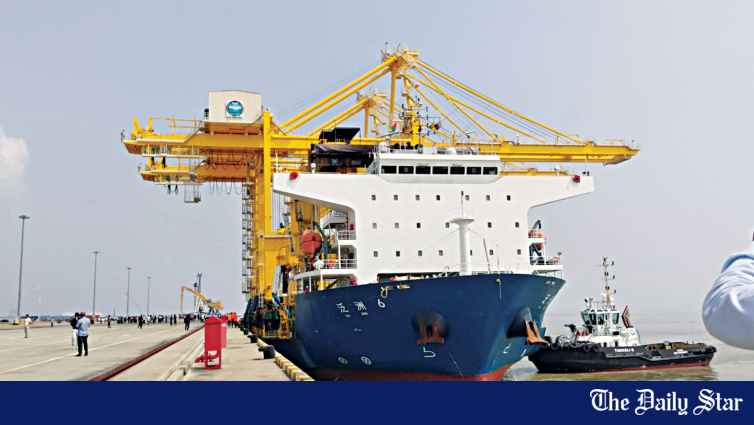
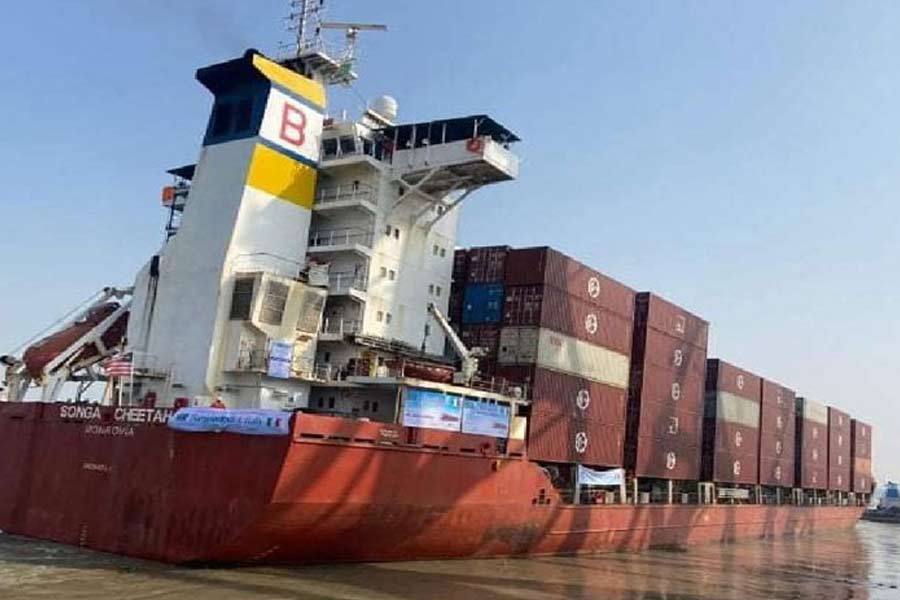
Five modern cargo- and container-handling cranes have been added to the fleet of the first terminal of Payra Port in Kalapara, Patuakhali.

The equipment arrived aboard Fan Zhou-6, a mother vessel, which docked directly at the terminal jetty at around 9am yesterday.

The arrival marked the resumption of direct mother-vessel operations at the terminal after nearly two years.

Port authorities said the new equipment would speed up cargo handling, reduce vessel turnaround time and increase the terminal’s capacity.

The machinery includes two 80-tonne ship-to-shore (STS) cranes for loading and unloading containers between vessels and the jetty, two 40-tonne rubber-tyred gantry (RTG) cranes for moving and stacking containers in the yard, and an 80-tonne mobile harbour crane (MHC) for handling various types of cargo.

The equipment was manufactured by China’s Nanjing Port and Harbour Machinery Co (NPHMC) and Xuzhou Construction Machinery Group (XCMG).

Azizur Rahman, deputy director of the port’s traffic department, said the STS cranes would handle containers on mother vessels, while the RTG cranes would move containers to trailers and manage yard storage. The MHC would be used to unload bulk cargo and containers.

Captain SM Sharifur Rahman, harbour master of Payra Port, said the 170-metre-long Fan Zhou-6 left China’s Pingtan Port for Payra on September 18. The vessel has a draft of about six metres, meaning its hull sits that far below the waterline.

He said larger mother vessels with deeper drafts could dock directly at the jetty if the navigability of the Rabnabad Channel -- the main access route for Payra port -- improves through dredging.

Rear Admiral Syed Saiful Islam, chairman of Payra Port Authority, said the new equipment would bring the port closer to full operational capacity.

He said a dedicated yard for imported vehicles was also ready and that the new cranes had brought the 650-metre multipurpose berth to full operational capacity.

He stressed the need to maintain the channel’s navigability to allow larger mother vessels to berth directly at the jetty.

Before this, two mother vessels had docked at the terminal, carrying 50,500 tonnes of stone on May 15, 2024, and 48,511 tonnes of stone in October-November 2024. The vessels were MV Zain and MV Da Hong-16, respectively.


Toyota Tsusho Corporation is preparing to establish its first vehicle manufacturing facility in Bangladesh, a high-level delegation led by vice-chairman Ichiro Kashitani revealed during a meeting with prime minister Tarique Rahman at the secretariat on Tuesday, said a press release.

Under the development philosophy ‘With Bangladesh, For Bangladesh’, Toyota plans to begin setting up a Hybrid Electric Vehicle manufacturing plant within one of the country’s economic zones in 2027, targeting full-scale commercial production by 2029.

Briefing the prime minister on the long-term project, Toyota representatives highlighted the factory’s potential to drive local job creation, accelerate industrialisation, and train young workers through technical and vocational programmes tailored to modern automotive manufacturing.

Welcoming the project, prime minister Rahman assured the delegation of full policy support, infrastructure facilities, and investment incentives. He noted that the government remains focused on maintaining a stable, competitive, and investor-friendly climate, while also encouraging Toyota to explore additional opportunities in renewable energy and waste-to-energy projects.

The high-level meeting included key cabinet members and advisers, alongside senior executives from Toyota Tsusho Corporation, including Shigeru Harada, CEO of the Mobility Division, and Premhit Singh, President of Toyota Bangladesh Ltd.


Toyota Motor Corporation, a Japanese multinational automotive manufacturer, is set to invest nearly $40 million in Bangladesh to establish its first direct presence in the country through two 3S centres for vehicle sales, servicing and spare parts, with construction expected to begin in November 2026.

The two centres will be established in the capital Dhaka and the port city of Chattogram, marking the Japanese automotive giant's first direct presence in Bangladesh, according to the Invest Bangladesh Authority.

Nahian Rahman Rochi, a member of Invest Bangladesh, told TBS that the $40 million foreign direct investment, equivalent to around Tk500 crore, was confirmed this month.

"Toyota will open its first 3S (sales, servicing and spare parts) service centres. Construction will begin in November," he said, adding that the sites for the two centres have already been identified.

A 3S centre integrates vehicle sales, servicing and spare parts under one roof, allowing customers to access all these services at a single location.

Toyota has so far operated in Bangladesh through local dealers and distributors. The two centres will mark the company's first direct operational presence in the country.

The Invest Bangladesh member said they had been pursuing the company for five to six months to bring the investment to the country.

Meanwhile, Toyota Tsusho Corporation is planning to develop a hybrid electric vehicle (HEV) manufacturing industry in Bangladesh, with work scheduled to begin in 2027 and full-scale production expected by 2029.

According to the Prime Minister's Office, the Toyota Tsusho Corporation will begin work establishing the HEV-producing factory in due time in Bangladesh under a "with Bangladesh, for Bangladesh" development philosophy.

The announcement followed a meeting between Prime Minister Tarique Rahman and a high-level delegation from Toyota Tsusho Corporation led by its Vice Chairman Ichiro Kashitani on 6 October at the Prime Minister's Office in the Secretariat.

The Invest Bangladesh Authority will continue to provide policy support to help Toyota establish a manufacturing presence in Bangladesh.


https://youtu.be/9pbWV32rxBw

The first controlled nuclear chain reaction at Unit 1 of the Rooppur Nuclear Power Plant was achieved today (11 October), marking a major milestone in Bangladesh's first nuclear power project as the reactor entered its initial criticality stage ahead of electricity generation.

The chain reaction marks the first of four stages before the plant can generate electricity. The subsequent stages involve thermal energy transfer, mechanical energy conversion, and finally electricity generation and supply to the national grid.

Md Anwar Hossain, secretary of the Ministry of Science and Technology, confirmed the development to The Business Standard, saying the reaction was initiated after the required compliance procedures, technical parameters and external certifications had been completed.

"Today at 3:34pm, we were able to achieve the chain reaction smoothly. By the grace of Allah, the parameters were within the desired ranges, and the reactor was very stable," he said.

Inside a nuclear reactor, a controlled chain reaction splits uranium atoms through nuclear fission, releasing energy as heat. That heat is used to generate steam, which drives turbines to produce electricity.

Russian specialists, Bangladeshi experts and other technical specialists were present to observe the process and assess the reactor's performance, Anwar added.

He said nuclear fuel had already been loaded into the reactor and the fission process had now begun.

Anwar said technical teams were working to complete the remaining processes as quickly as possible, while stressing that every stage must comply with the required procedures and safety standards.

The Rooppur Nuclear Power Plant in Ishwardi, Pabna, is being built with two VVER-1200 pressurised water reactor units using Russian technology supplied by Rosatom.

Each unit has a planned generation capacity of 1,200 megawatts, giving the plant a combined capacity of 2,400MW.


An anti-drone system will be installed at Hazrat Shahjalal International Airport in Dhaka to prevent unauthorised drone flights, Civil Aviation and Tourism Minister M Rashiduzzaman Millat says.

Announcing the new measure, he said: “We have seen incidents of unauthorised drones being flown during fire accidents. The airport is a key point installation (KPI) of the state. So, an initiative has been taken to install an anti-drone system to prevent unauthorised drone flights in the airport area. Besides, scanners and equipment related to security must be available in greater numbers than required.”

He also said there would be no compromise on ensuring the safety of the country’s aviation sector.
“Our goal must be zero compromise on aviation safety,” he said.

The minister made the remarks at a programme after inspecting the “Airport Emergency Exercise 2026” held at Hazrat Shahjalal International Airport in Dhaka on Monday morning.

Speaking about the importance of fire safety and the emergency drill, Millat said, “A drill is necessary, but I pray to Allah and seek His help so that it is never needed in practice.”

Referring to the airport fire during the tenure of the interim government, he said: “You know that a massive fire broke out at the airport’s import cargo complex in October last year during the interim government’s tenure. It caused huge losses and damaged the country’s image. Therefore, ensuring security is the highest priority of the current government.”

Highlighting measures taken by the government to strengthen security, the minister said: “After assuming office, we formed the National Civil Aviation Security Committee, the highest policy-making body, to ensure security at the country’s airports.

“An ICAO audit will be held soon. The country’s image is linked to its observations. Therefore, we have taken measures to ensure compliance on issues that may come under observation by ICAO.”

Issuing a stern message about VIP protocols at the airport, Millat said: “The security protocol is the same for everyone, including VIPs and CIPs. Therefore, everyone must follow the same protocol to ensure airport security.”

The minister also highlighted the need to reduce response times in dealing with accidents.
“The first few minutes are extremely important in the event of any accident or fire at the airport. The response time for dealing with fire incidents must be reduced further,” he said.

Asked by journalists about recent harassment of passengers at the airport and various videos circulating on social media, the minister said the government was working to prevent misinformation and ensure passenger services.

Responding to a question about a video that went viral on social media, he said: “There is not the slightest truth in what the woman said in the voice message yesterday. I immediately verified it with our executive director.

“Nothing of the sort happened here. You are using voice messages from outside, while passengers’ luggage is arriving properly on the belt. This misinformation needs to be analysed.”
The minister also warned that airport officials would be rewarded for good performance and punished for negligence in their duties.

Dhaka-18 MP SM Jahangir Hossain, Air Vice Marshal Md Mostafa Mahmood Siddiq, and airport Executive Director Group Captain SM Ragib Samad, among others, were present at the programme.


https://youtu.be/jPVAMuPyuiE

As the Secretariat will be relocated to Sher-e-Bangla Nagar, there will be no new buildings inside the Secretariat located on Abdul Gani Road in the capital.

The government made a policy decision last Wednesday to relocate the Secretariat in a meeting presided over by Prime Minister Tarique Rahman.

Top officials from the Ministry of Housing and Public Works, the Public Works Department, and the Department of Architecture were present at the meeting held at the Prime Minister's Office.

The following day, the Ministry of Housing and Public Works sent a letter to the Planning Commission to include a project for relocating the Secretariat in the Annual Development Programme (ADP).

An inter-ministerial meeting on this project is expected to be held at the Planning Commission next week.
According to a related source, the government aims to commence the project work as soon as possible and achieve visible progress during its tenure.

When contacted, the Chief Architect of the Department of Architecture, Asifur Rahman Bhuiyan, who attended the meeting, told Prothom Alo that three separate designs were presented by the Department of Architecture for relocating the Secretariat to Sher-e-Bangla Nagar. Everyone agreed to finalise one of the designs.

Architect Asifur Rahman Bhuiyan said that the project will be developed based on this design. The designs will also be presented at the meeting of the Executive Committee of the National Economic Council (ECNEC).

Past initiatives, no progress​

According to information from the Ministry of Housing and Public Works, several initiatives to relocate the Secretariat to Sher-e-Bangla Nagar were taken during various periods, including under the Awami League government that was ousted in the July uprising.

In 2015, a project worth Tk 22.09 billion was initiated to relocate the Secretariat, scheduled for completion by June 2018.

It was initially planned to construct the Secretariat on 32 acres of land north of Zia Uddyan and west of the Bangladesh-China Friendship International Conference Centre, where the annual trade fair is held. The plan followed the original blueprint by Louis I. Kahn, the architect of the National Parliament Building.

During the Awami League administration, the original designs of the entire Sher-e-Bangla Nagar including the National Parliament Building by American architect Louis I. Kahn were brought to the country at the cost of 400,000 dollars. The plan was to build four main buildings with nine floors on top of fourteen-story bases.

However, the relocation did not materialise. During the interim government period of one and a half years, there was no discussion about moving the Secretariat.

Under the new BNP government, a project was undertaken to construct a 21-story building within the Secretariat at a cost of Tk 6 billion. When the project was presented at an ECNEC meeting on 26 April, it was sent back without approval.

In the meeting, Prime Minister Tarique Rahman instructed the Ministry of Housing and Public Works and the Department of Architecture to assess the possibility of relocating the Secretariat to Sher-e-Bangla Nagar.

Project worth Tk 35 billion​

In the past five months, the Ministry of Housing and Public Works has held several meetings with stakeholders regarding the potential relocation site for the Secretariat. The preliminary estimated cost for implementing the project is Tk 35 billion.

After five months of review, a report was presented in front of the Prime Minister last Wednesday. Three separate designs by three teams from the Department of Architecture were shown in the meeting. One design was finalised, and based on it, the Housing Department was instructed to prepare the project.

New roads and facilities​

According to the proposed design, a circular road will surround the Secretariat. A road will be constructed behind the Bangladesh-China Friendship Conference Center. This road will exit to Mirpur Road passing by the July Uprising Museum (former Ganabhaban).

There are various establishments near the museum such as schools, hospitals, and the Ministry of Defence which may need to be relocated to accommodate this road.

The Ministry of Housing and Public Works has indicated discussions about constructing an underground road beneath the road that runs from Bijoy Sarani through Agargaon to Mirpur No. 10. The proposed Secretariat could be accessed via the upper road, while Mirpur Road can be reached using the lower road. A separate project might be undertaken for this.

According to the proposed design, each building within the Secretariat will be 12 stories tall. The buildings will be constructed in alignment with the National Parliament.

Related sources indicate that after the relocation of the Secretariat to Sher-e-Bangla Nagar, the main challenge will be traffic congestion. However, the Ministry of Housing and Public Works stated that measures will be taken to keep the area free from congestion.

A source from the Ministry of Housing and Public Works mentioned that after the Secretariat moves from Abdul Gani Road to Sher-e-Bangla Nagar, the current Secretariat could be repurposed for government offices such as the Dhaka Deputy Commissioner’s (DC) Office and the Superintendent of Police’s (SP) Office, currently scattered throughout Old Dhaka.

Due to limited space, the current Secretariat poses challenges for officials in carrying out office work effectively and causes heavy traffic congestion around it, leading to wasted working hours. The current Secretariat covers 1.7 million square feet, while the proposed design plans for a 3.1 million square feet area.

The trade fair ground belongs to the Ministry of Housing and Public Works, and the trade fair was moved to Purbachal in 2021, leaving the ground vacant. Four years ago, a project was undertaken to build a park on the vacant land at a cost of Tk 1 billion, although the project did not come to fruition.

Traffic congestion could be severe​

The Ministry of Housing and Public Works believes that leaving the area vacant could lead to unauthorised occupation. If the Secretariat is relocated, it would prevent the land from being encroached upon.
Architect Iqbal Habib opines that relocating the Secretariat to Sher-e-Bangla Nagar following Louis I. Kahn's 1969 design would be inappropriate in 2026. He suggests considering alternative sites for relocation, similar to Putrajaya in Malaysia.

Iqbal Habib mentioned that numerous government facilities have already emerged in Sher-e-Bangla Nagar and Agargaon, increasing the number of vehicles in the area. Establishing the Secretariat there could lead to severe traffic congestion.


CHATTOGRAM, Oct 09: The government plans to develop Shah Amanat International Airport in Chattogram into a regional aviation hub under a fast-track project aimed at improving air connectivity with South and Southeast Asia, the Middle East and China.

The project, expected to be implemented over 18 months, will focus on expanding airport infrastructure, boosting cargo-handling capacity and introducing international transit facilities, sources said.
Once the project is implemented, it would open up new eastward and westward air routes for Chattogram, airport officials said.

According to sources, the estimated cost of the proposed project ranges between $280 million and $300 million, with the government seeking financial assistance from the Asian Development Bank (ADB).
The project includes runway expansion, parking facility for wide-body aircraft, a new cargo village, cold-chain and bonded warehouses, and a regional passenger transit terminal.

The Economic Relations Division (ERD) has sought ADB support and requested that the proposed 'Chittagong Regional Air Hub Project' be included under the bank's Integrated Growth Network Development initiative.

A Preliminary Development Project Proposal (PDPP), outlining the airport's infrastructure and operational constraints, has already been prepared and sent to the Ministry of Civil Aviation and Tourism and the Civil Aviation Authority of Bangladesh (CAAB) for necessary administrative action, sources said.

Airport officials said the initiative could open up new eastward and westward air routes for Chattogram, expanding its access to international destinations and connecting passengers to global markets.
Currently, the airport operates only a limited number of international flights, mainly serving the Middle East. Flights from Chattogram to Kolkata and other destinations in India have also remained suspended since 2024, according to the sources.

The airport, however, has the potential to serve routes to China, Singapore and Thailand. Flights to some of these destinations operated in the past, enabling passengers to connect to other international destinations.
To revive the airport's role in regional aviation, the government is prioritising cargo-handling capacity and other infrastructure improvements in the project's first phase, described in the draft PDPP as the "Quick-Win Phase".

The phase aims to establish a regional hub capable of accommodating wide-body aircraft, transit passengers and increased cargo volumes.

The first phase is expected to require about $250 million in public investment. Of the amount, the government is seeking $175 million in loans or assistance from development partners, including the ADB, while the government and CAAB would provide the remaining $75 million.

Also, there are plans to mobilise another $30 million to $50 million in investment through a public-private partnership (PPP) to develop commercial and hospitality facilities. The investment could be structured through long-term agreements spanning 20 to 25 years, sources said.

Runway, terminal expansion planned

Shah Amanat International Airport currently has a 2,940-metre runway, two boarding bridges and 11 parking stands for narrow-body aircraft. Its annual cargo-handling capacity is around 40,000 tonnes.

Under the proposed plan, the runway will be strengthened, while a full-length parallel taxiway and a rapid-exit taxiway will be constructed. The runway is also expected to be extended to 3,600 metres in phases.
The project will add parking stands for six to eight wide-body aircraft, allowing larger planes such as the Boeing 777 and 787 and the Airbus A330 and A350 to operate at the airport.

The estimated cost of upgrading airside infrastructure is around $115 million.

Another $43 million is earmarked for expanding the passenger terminal and improving boarding facilities, including around $25 million for expanding and reconfiguring the terminal building.

Following the expansion, the airport's annual passenger-handling capacity is projected to rise from 5 million to between 8 million and 10 million.

Four new boarding bridges will also be installed, taking the total to six. At least four will be capable of serving wide-body aircraft.

The plan also includes construction of a regional passenger transit centre, estimated to cost around $10 million. It will have separate security arrangements, immigration counters and a transit lounge, alongside facilities for passengers transferring between international flights.


Bangladesh’s first satellite, BS-1, was saved from a potentially dangerous collision with debris from an old Indian satellite after engineers at Bangladesh Satellite Company Limited (BSCL) carried out calculations and a manoeuvre from its ground control station in Gazipur.

The debris came as close as 852 metres to BS-1 on August 13, according to BSCL Managing Director Muhammad Imadur Rahman in an interview with The Daily Star today.

A warning about the approaching debris was received by BSCL’s ground control station around August 8-9 from Space-Track, a US-based space surveillance and tracking platform, Imadur said.

“Normally, there are some debris in space that keep moving around,” he said. Space-Track, which BSCL is a member of, regularly provides information when such objects pose a potential threat to satellites.

The debris approaching BS-1 was from INSAT-1A, India’s first satellite, which was launched in 1982 and later lost control, according to information shared by BSCL.

Once the warning was received, engineers at BSCL’s Gazipur control centre began assessing the satellite’s position, the expected trajectory of the debris and the possibility of a collision.

“We had to do all of these calculations, all the studies,” Imadur said. “Anyway, here the thing is, there is no room for mistakes.”

The engineers remained in continuous contact with Space-Track as the estimated time and distance of the closest approach became clearer.

The situation required BS-1 to be manoeuvred from its existing position to avoid the approaching debris.

“Then, considering that, we had to do some manoeuvre, the satellite manoeuvre, moving from the current location and so on,” Imadur said.

The closest approach took place on August 13. The debris passed within 852 metres of BS-1, he said.

The entire operation was conducted by Bangladeshi engineers from the ground control centre, without operational assistance from the French company Thales, which built the satellite.

“Thales was the company that originally made the satellite, but we did not take any help from them,” Imadur said. “Our engineers have done this completely.”

BS-1 was manufactured by Thales Alenia Space and launched from Florida’s Kennedy Space Centre in May 2018. For the first three years after its launch, Thales engineers supported its operation. But BSCL took over full operational control in 2021.

“Our satellite was launched in 2018. So, for the first three years, there was support from Thales,” Imadur said. “Since 2021, we have been doing everything by ourselves.”

He said some support was available until 2024, but BSCL now handles the satellite’s operations independently.

The satellite can be controlled from the ground, with BSCL engineers operating it from its facility in Gazipur.

The August incident was not the first time BS-1 faced a potential collision with an object in space. Imadur said a similar incident occurred in 2021, while space-tracking agencies have also issued warnings about other debris passing close to the satellite.

 
Top Bottom