Previously, the Gökçeada Underwater National Park, covering a small area, and numerous other special marine protected areas were declared. However, regional-based policies, not bay/beach-based ones, are needed to protect marine habitats and their cleanliness.
In fact, not only is there a presidential decree, but all three Marine Protected Areas (MPAs) were registered on the Intergovernmental Oceanographic Commission (IOC) map under UNESCO on August 2, 2025; the presidential decree was published one year later.
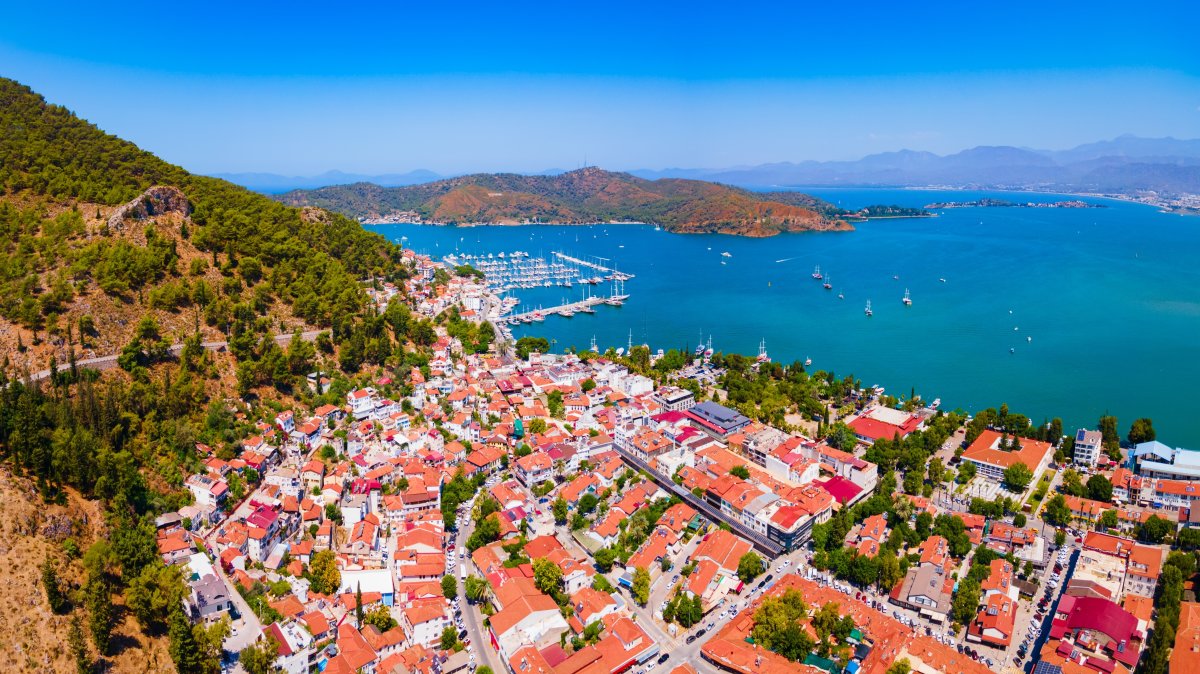
The 21,706 square kilometer Fethiye-Kaş Marine National Park is home to habitats of critical importance for marine mammals. The region contains nesting and feeding grounds for many species, primarily sea turtles. While the Fethiye-Kaş line is mostly known for loggerhead turtles, it is an endemic area for numerous species, both on the coast and on the seabed, ensuring their survival. This marine environment is our national treasure and needs to be protected for future generations.
Preparations are underway to publish more Marine Protected Areas (MPAs) in Türkiye's surrounding seas. It is expected that at least 2 or 3 more MPAs will be declared by the end of 2027. In this context, the protection of marine ecosystems and the implementation of environmental measures are planned within these MPAs.
Another issue is the preservation of the cleanliness and naturalness of Turkish territorial waters. Turkiye has approximately 600 Blue Flag beaches, and plans are underway to increase this number. Public beaches with free entry are also beginning to be included in these standards. There are very strict environmental regulations regarding boats in Turkish territorial waters. Turkiye uses one of the most advanced digital tracking systems in the world to protect marine cleanliness, especially in yacht tourism. Turkiye completely prohibits boats from dumping bilge water, domestic wastewater (black/grey water), and garbage into the sea in its territorial waters. This is permitted in Greek territorial waters once a certain clearance is reached. This system, coordinated by the Turkish Environmental Agency (TÜÇA), allows for transparent digital monitoring of waste disposal processes for all private yachts and pleasure boats under 400 GRT, while Greece has weak oversight and relies on declarations. Strict regulations mandate the presence of wastewater tanks on all vessels navigating territorial waters and prohibit discharge, although Greece has lower standards in this area. Turkiye, thanks to pioneering legal regulations such as the Blue Card Tracking System and strong technical infrastructure in its modern marinas, maintains its image as one of the leading countries with "the cleanest and best-protected bays in the world." This makes Türkiye a much more attractive and reliable destination, especially for luxury yacht owners and environmentally conscious international tourists. But the most important thing is ensuring that this national asset is passed on to future generations without pollution.
These measures taken to protect the cleanliness and habitat of our seas are also in Greece's interest; politicizing this issue is completely unnecessary.