Why nobody (except me) even interest in the conversation about SSNs?
It is something that provides power projection against conventionally inferior adversaries and strategic denial against conventionally superior adversary.
While AC can only do the former, not so great for the later.
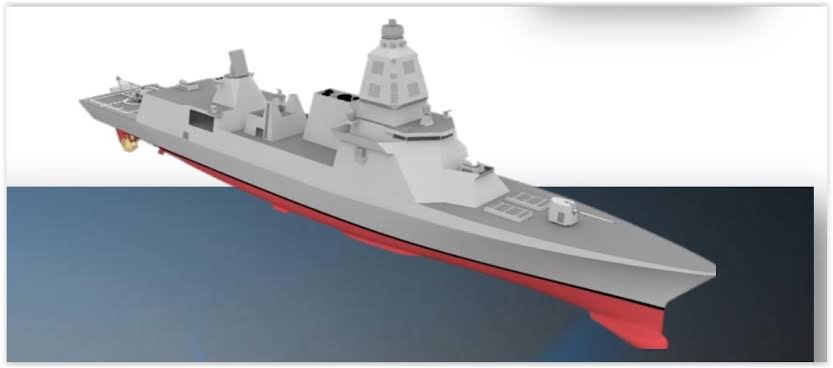
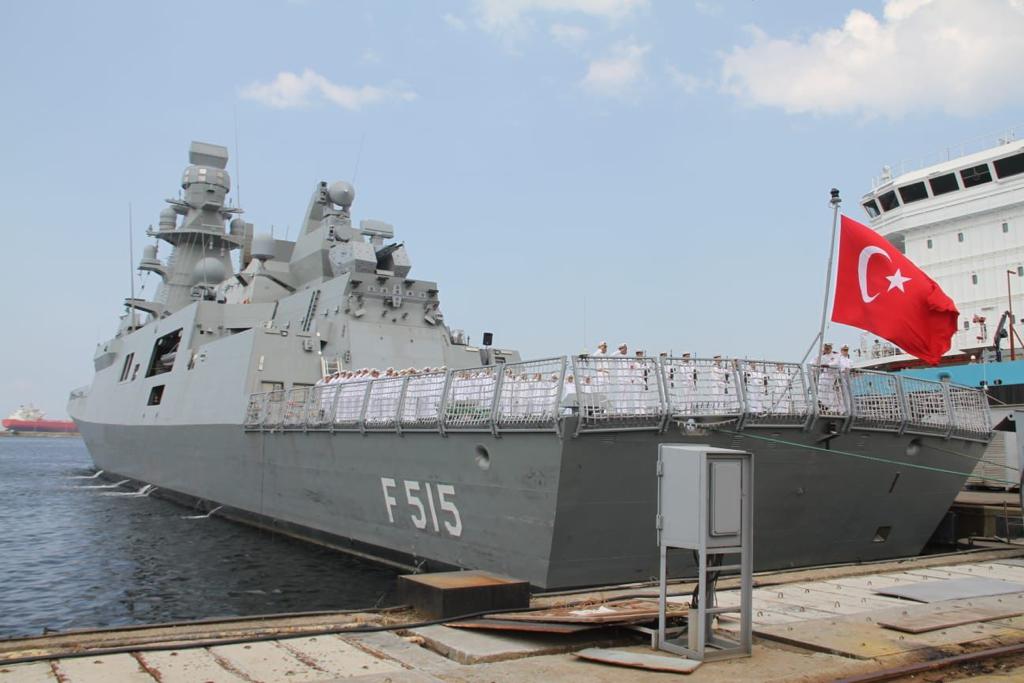
Our surface combatant fleet structure in the 2000s was around 20 missile boats and 16 frigates. Now? There is a huge pending need for modernization and renewal. A national aircraft carrier task group may have a modest fleet for flag sailing, but it needs half that fleet to go into the hot zone if not in any alliance force group. There are two strategic endpoints in naval strategic assets. One underwater and one above water. To protect the one above water, a huge fleet is needed. So I agree with your idea, we are on the same side.
The most fundamental problem with global power projection is that you have to have a whole naval structure to match it. Navy professionals could probably write dozens of pages on this topic. This is not something that can be created in an instant, this is not a problem that can be solved just by finding the money. In fact money is probably last issue on the list. We are talking about the task force to protect the carrier assets as the most basic argument here, but the subject is definitely much more complex, training and naval tradition is one aspect of it, the extraordinarily large logistical background and sustainability is another issue...
There was only one country in the world that had this, maybe 3-4 under the umbrella of the joint alliance forces. At the end of the 90s, the pocket carrier concept was discussed a lot, and today it has been partially realized with LHA derivative platforms and new generation STOVL jets such as the F-35B, but they are always far from being in the first group in terms of sortie effectiveness and the size of the combatant navies of the countries they belong to. Regional power projection, on the other hand, is likely to be against weak or even non-airpowered and limited geographical depth adversaries, that these sea forces able to gain the upper hand.
On the Asian side, China has achieved this capability and Korea is likely to follow. For Russia it was always ultra-painful. When we examine the experience of the world's navies and their efforts, some of which are based on decades of dedication, it becomes clear that this dream of acquiring a global power projection is not something to be optimistic about. From my pov, I am not opposed to any step forward with the capacity and capabilities of the navy. However, I humbly suggest that in order for the Turkish navy, which probably has one of the most challenging source management challenges in the world, to maintain-increase its deterrent effectiveness and increase its strategic assets/capabilities in parallel, we need to have a different perspective on prioritizations about new acquisitions and so future doctrines.