Not necessarily bro!
An aircraft can go supersonic without afterburners. (Supercruise). All you need is diverging nozzles. When the nozzle opens up the air going through it becomes supersonic.
In fact it is possible to go low supersonic without diverging nozzles for a short while.
Bro, those are a lot of “may be”s !
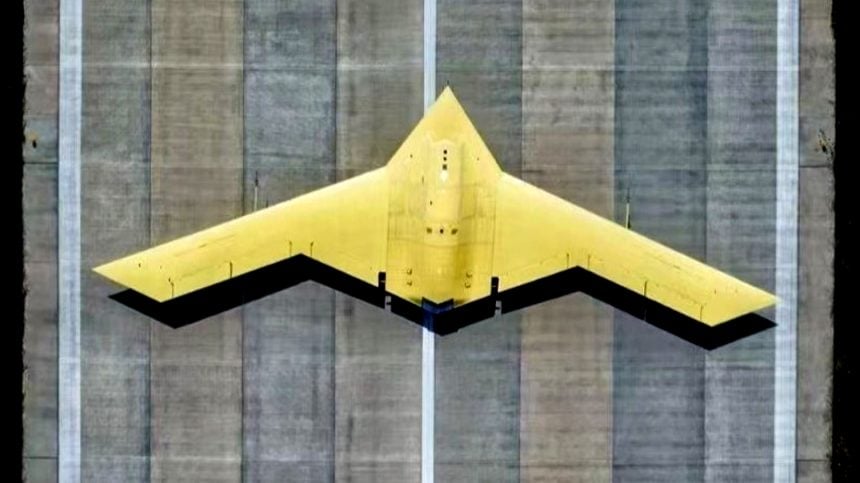
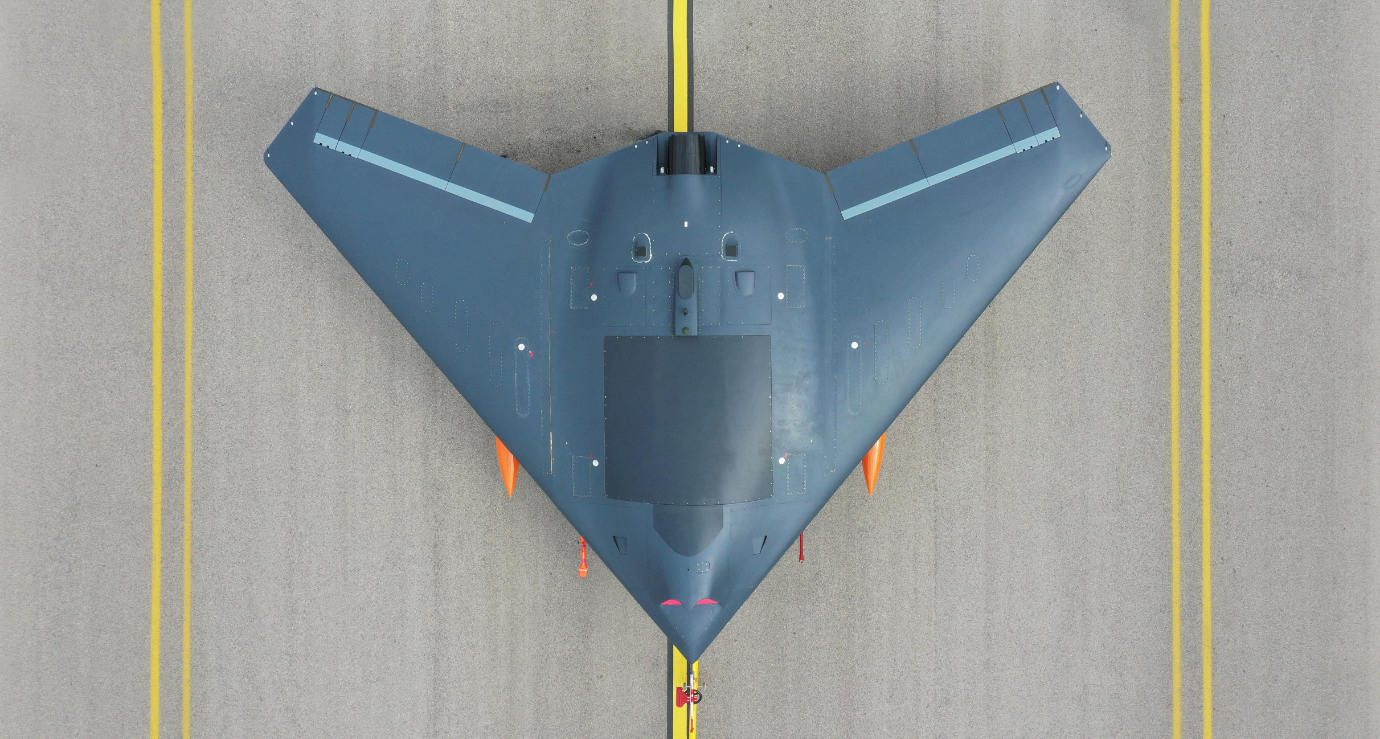
But it doesn’t detract from the fact that technically, due to below stated primary reasons taken from various articles, it just isn’t feasible to build supersonic flying wings:
1. High Drag:
A flying wing design is inherently low drag, which integrates the fuselage and the wing into a single thick airfoil shape. This results in a large frontal area. Although this is efficient for subsonic flight, it creates significant wave drag as it approaches and exceeds the speed of sound, which requires enormous power to overcome.
2. Aerodynamic Instability:
Supersonic and subsonic aerodynamics are very different. At transonic and supersonic speeds, the centre of pressure makes the aircraft very unstable and difficult to control. Flying wings don‘t have vertical and horizontal stabilizers which are critical for stability and control at supersonic speeds.
3. Design Compromises:
To overcome the drag and stability issues at supersonic speeds, a wing must be very thin and long, like the ones on the Concorde or military jets. Such a design, however, performs poorly at low speeds (takeoff and landing), requiring a high angle of attack and faster landing speeds. A "flying wing" design optimized for cargo or passenger capacity (deep and thick) inherently compromises the sleek, low-drag shape needed for supersonic flight.
4. Control Surface Challenges:
The shock waves that form at supersonic speeds can make conventional control surfaces, especially at the wingtips, ineffective or even cause them to produce the opposite of the intended response, leading to potential structural failure and loss of control.
So consequentially, the complex engineering that is needed make it impractical and close to impossible to design a stable and efficient flying wing that is capable of sustained supersonic speeds without structural deficiencies.
The only technically viable solution to this dilemma is a
biderectional flying wing that is described in NASA’s related article. This aircraft can go supersonic in fig 8 flight. And subsonic in fig 9 flight. In other words it has to swivel round to go supersonic or subsonic.
View attachment 78630



 this can effect every other acquisition